46 citations
,
November 1963 in “Journal of Histochemistry & Cytochemistry” Arginine converts to citrulline in hair follicles as proteins harden.
45 citations
,
January 1977 in “Advances in experimental medicine and biology” Hair follicles have an enzyme that converts arginine to citrulline in proteins.
 33 citations
,
January 2007 in “Pediatric dermatology”
33 citations
,
January 2007 in “Pediatric dermatology” Hair thinning and loss in a girl with a rare metabolic disorder was linked to her condition.
32 citations
,
December 1965 in “The Lancet” Argininosuccinic aciduria can cause hair loss.
 17 citations
,
October 2016 in “Artificial Cells Nanomedicine and Biotechnology”
17 citations
,
October 2016 in “Artificial Cells Nanomedicine and Biotechnology” Using tiny fat particles to deliver arginine to hair follicles could be a new way to treat hair loss.
15 citations
,
August 1991 in “American Journal of Medical Genetics” A special diet can fix hair problems in argininosuccinase deficiency.
8 citations
,
November 1976 in “Journal of Investigative Dermatology”  7 citations
,
June 2021 in “Amino acids”
7 citations
,
June 2021 in “Amino acids” Human hair protein modifications could potentially indicate heart disease risk.
 1 citations
,
July 2022 in “Clinical and Experimental Dermatology”
1 citations
,
July 2022 in “Clinical and Experimental Dermatology” Amino acid supplements may not be necessary for all women with chronic hair loss.
 1 citations
,
February 2022 in “Biological Trace Element Research”
1 citations
,
February 2022 in “Biological Trace Element Research” The combination of Arginine Silicate Inositol Complex and a new form of Biotin improved hair and nail growth in rats.
 1 citations
,
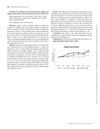
June 2019 in “Current developments in nutrition”
1 citations
,
June 2019 in “Current developments in nutrition” A combination of arginine silicate complex and magnesium biotinate improves hair and nail growth in rats.
 September 2018 in “Cosmetics”
 Inositol and arginine solutions improve hair follicle health and turnover.

Arginine deficiency hinders hair growth in androgenetic alopecia, but restoring it can promote hair regeneration.

Problems with arginine processing in hair follicles might contribute to common hair loss, and arginine supplements could help treat it.
 June 2023 in “Italian journal of dermatology and venereology”
 The oral supplement improved hair loss in patients with telogen effluvium.
 August 2022 in “Clinical and Experimental Dermatology”
 Amino acid supplements may not be necessary for all women with chronic hair loss.
 36 citations
,
March 2014 in “Biomaterials”
36 citations
,
March 2014 in “Biomaterials” A new skin-whitening agent using a peptide from wheat is safe and effective at reducing skin pigmentation.
12 citations
,
December 1981 in “Journal of Endocrinology” α-MSH increases melanin production in moulting hair follicles, while AVT inhibits it.
3 citations
,
April 2015 in “Current problems in dermatology” A more sensitive assay was developed to detect enzyme activity converting arginine to citrulline in hair follicles.
November 2025 in “Journal of Investigative Dermatology” Genetic variants in specific genes cause central centrifugal cicatricial alopecia.
November 2025 in “Advanced Science” A new nanozyme using EGCG and L-arginine boosts hair growth by safely increasing beneficial oxidative stress.
July 2025 in “Journal of Investigative Dermatology” November 2024 in “Journal of Investigative Dermatology” Genetic changes in specific proteins contribute to hair loss in some women of African descent.
January 2026 in “SSRN Electronic Journal” 125 citations
,
February 1971 in “Biochemistry” Specific cross-linkages help make hair proteins stable and strong.
116 citations
,
April 1986 in “The journal of cell biology/The Journal of cell biology” Trichohyalin is a protein in hair follicles that helps form hair filaments.
72 citations
,
May 1993 in “The Journal of Cell Biology” Trichohyalin in sheep hair follicles may help with structure and calcium binding.
 67 citations
,
February 2020 in “Journal of Ginseng Research”
67 citations
,
February 2020 in “Journal of Ginseng Research” Korean Red Ginseng has beneficial components that help with stress, immunity, fatigue, memory, blood flow, and disease protection.
62 citations
,
December 2007 in “Journal of biological chemistry/The Journal of biological chemistry” A specific chemical change in the S100A3 protein leads to the formation of a four-part structure important for hair formation.
46 citations
,
May 1991 in “British Journal of Dermatology” Heparin can inhibit hair growth in mice when injected.