Three Indian medicinal plant compounds help hair growth.
1 citations
,
September 2001 in “PubMed” Acitretin treats severe skin conditions but requires careful monitoring due to serious side effects.
 4 citations
,
September 2018 in “Rendiconti lincei. Scienze fisiche e naturali”
4 citations
,
September 2018 in “Rendiconti lincei. Scienze fisiche e naturali” Researchers concluded that "spigo nardo" is the Himalayan plant Nardostachys jatamansi, used historically in medicine and cosmetics, now critically endangered.
182 citations
,
December 2021 in “Cosmetics” Essential oils in cosmetics offer benefits but require careful formulation for safety and effectiveness.
 June 2026 in “International Journal of Molecular Sciences”
 Shallot extracts protect nasal cells from oxidative damage.
A new method creates valuable compounds for drug discovery by breaking traditional chemical rules.

Essential oils can improve health but must be used safely under professional guidance.

Basil oil has many health benefits, including improving skin, hair, mood, pain relief, and digestion.
Lavender is widely used for its calming effects and in beauty products, but its medical effectiveness is not fully proven and not FDA-approved.
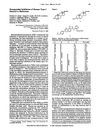 89 citations
,
February 1993 in “Journal of Medicinal Chemistry”
89 citations
,
February 1993 in “Journal of Medicinal Chemistry” New compounds called benzoquinolinones may treat conditions linked to excess DHT.
 18 citations
,
August 2012 in “Journal of The American Academy of Dermatology”
18 citations
,
August 2012 in “Journal of The American Academy of Dermatology” Estrogen therapy helped regrow hair in a bald man.
9 citations
,
January 2016 in “Case Reports in Medicine” Iron therapy resolved uncooked rice cravings and symptoms in women with iron deficiency.
4 citations
,
April 2025 in “Archives of Dermatological Research” Plant-based cosmetics are popular for skin and hair care due to their benefits and lower allergy risk.
3 citations
,
August 2019 in “Medika Tadulako: Jurnal Ilmiah Kedokteran Fakultas Kedokteran dan Ilmu Kesehatan” A 3% hair tonic with bitter melon leaf and carrot extracts boosts hair growth effectively.
2 citations
,
July 2025 in “Scientific Reports” Acinetobacter strain A1-4-2 can safely clean water pollutants.
 March 2026 in “Zenodo (CERN European Organization for Nuclear Research)”
 The herbal hair serum effectively fights microbes and promotes hair growth.
 March 2026 in “Zenodo (CERN European Organization for Nuclear Research)”
 The herbal hair serum effectively promotes hair growth and fights microbes.
 January 2024 in “Jurnal Ilmiah Ibnu Sina (JIIS) Ilmu Farmasi dan Kesehatan”
 The F2 hair tonic with shallot extract is effective and stable for hair growth.
January 2005 in “Вестник Оренбургского государственного университета” Minoxidil combined with ATRA boosts hair growth better than minoxidil alone.
18 citations
,
October 2022 in “JCI Insight” Abnormal amino acid metabolism may worsen rosacea symptoms.
4 citations
,
January 1976 in “Archives of Dermatological Research” Metabolic disorders can cause hair structure defects and growth issues, but amino acid levels in hair remain normal.
August 2023 in “Fermentation” Scientists can use engineered microbes to make L-aspartate and related chemicals, but there's still room to improve their efficiency.
 1 citations
,
January 2013 in “International Journal of Medicinal and Aromatic Plants”
1 citations
,
January 2013 in “International Journal of Medicinal and Aromatic Plants” Flaxseed ingestion and oil application help rabbit hair grow.
 May 2024 in “Current perspectives on medicinal and aromatic plants”
 Plant-based treatments might help with hair loss and have fewer side effects than synthetic drugs.
Defective protein folding due to a mutation is key in ANE syndrome.
 December 2021 in “International journal of minor fruits, medicinal and aromatic plants”
 The document concludes that in Sri Lanka, 25 common plants are traditionally used as home remedies for various health issues due to their medicinal properties.
September 2002 in “Research Repository (Kingston University London)” Mimicking the steroid A-ring may help create effective enzyme inhibitors for prostate disease treatment.
1 citations
,
January 1996 Cysteine and arginine are essential for hair growth and thickness.
 70 citations
,
April 2014 in “Annales d'endocrinologie”
70 citations
,
April 2014 in “Annales d'endocrinologie” New genes and pathways are important for testosterone production and male sexual development.
ANE syndrome is caused by a mutation in the RBM28 protein that disrupts ribosome assembly.