16 citations
,
September 2022 in “International Journal of Molecular Sciences” Juniperus sabina L. extract shows potential medicinal value due to high podophyllotoxin levels and strong anti-butyrylcholinesterase activity.
 35 citations
,
May 2008 in “Journal of Clinical Oncology”
35 citations
,
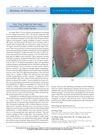
May 2008 in “Journal of Clinical Oncology” A cancer patient died from a severe skin reaction after taking the drug cetuximab.
 April 2017 in “Journal of Investigative Dermatology”
 SB414 may be an effective treatment for atopic dermatitis by reducing swelling and bacterial infection.
Customizing non-invasive treatments for head and neck neuralgia improves patient outcomes.
 March 2026 in “Cosmetics”
 Using enzymes with laser hair removal may reduce unwanted hair growth better than laser alone.
Muscarinic acetylcholine receptors help regulate and promote hair growth.
October 2024 in “Journal of Pakistan Association of Dermatologists” Intralesional triamcinolone is more effective than the Excimer laser for treating localized alopecia areata.
April 2025 in “International Journal of Clinical & Medical Case Studies” Dextroamphetamine may help treat alopecia areata.
 October 2022 in “Portuguese journal of dermatology and venereology”
 The best concentration of triamcinolone acetonide for treating alopecia areata is still unclear.
December 2021 in “Intisari Sains Medis” Botulinum toxin injections improved hair thinning in a woman with hair loss.
 3 citations
,
October 2021 in “PLoS ONE”
3 citations
,
October 2021 in “PLoS ONE” Piperonylic acid speeds up wound healing by reducing inflammation and boosting collagen.
1 citations
,
November 2020 in “DOAJ (DOAJ: Directory of Open Access Journals)” Both concentrations of triamcinolone acetonide are equally effective and safe for treating patchy alopecia areata.
44 citations
,
October 2016 in “Epilepsia” 2-DG reduces seizures by enhancing brain inhibition through specific receptor activation.
 July 2021 in “Research Square (Research Square)”
 Semecarpus anacardium leaf extract fights breast cancer and extends survival in mice.
September 2025 in “Frontiers in Pharmacology” The gel shows strong potential for effectively treating pressure ulcers.
 December 2024 in “Journal of Cancer Therapy and Research”
 Artocarpus heterophyllus seed extract may help treat prostate inflammation without side effects.
 October 2025 in “Indian Dermatology Online Journal”
 2.5 mg/ml of triamcinolone acetonide is more effective for treating alopecia areata.
Both treatments for localized alopecia areata are equally effective.
July 2024 in “Forum Dermatologicum” 5 citations
,
August 2005 in “Anatomy and Embryology” Rat skin has a linear system of nerve fibers linked to hair follicles and muscles.
January 2026 in “Dermatologic Therapy” Botulinum Toxin can improve hair growth in androgenetic alopecia, but more research is needed.
11 citations
,
January 2020 in “Journal of Drugs in Dermatology” Intralesional triamcinolone acetonide is effective and safe for treating early to mid-stage traction alopecia.
6 citations
,
March 2024 in “Saudi Pharmaceutical Journal” The new delivery system could improve pain and inflammation relief in gout.
 28 citations
,
March 2017 in “Scientific Reports”
28 citations
,
March 2017 in “Scientific Reports” Minoxidil may protect nerves and improve hair quality during paclitaxel treatment.
 16 citations
,
August 2003 in “Journal of The American Academy of Dermatology”
16 citations
,
August 2003 in “Journal of The American Academy of Dermatology” Nitrogen mustard was not very effective for hair regrowth in alopecia areata and has potential skin cancer risk.
Sphingosine 1-phosphate helps control mechanical pain.
 1 citations
,
July 2018 in “Journal of dermatology & cosmetology”
1 citations
,
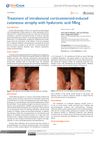
July 2018 in “Journal of dermatology & cosmetology” Hyaluronic acid successfully treated skin atrophy caused by corticosteroid injections.
 1 citations
,
January 2022 in “Pharmaceutical Sciences Asia”
1 citations
,
January 2022 in “Pharmaceutical Sciences Asia” Microneedles offer a painless, effective way to deliver drugs through the skin.
12 citations
,
July 2017 in “International Journal of Cosmetic Science” N‐AOHPA is a promising alternative to traditional surfactants for better hair conditioning.
July 2024 in “Journal of Investigative Dermatology” ATR12-351 ointment safely delivers LEKTI protein to the skin, reducing enzyme activity in Netherton syndrome.