Search
for
Sort by
Research
240-270 / 1000+ resultsresearch S3886 Concurrent Management of Crohn's Ileitis and Alopecia Universalis With Upadacitinib
Upadacitinib improved both Crohn's ileitis and alopecia universalis in a patient.
research Scalp immersion proxigraphy (SIP): an improved imaging technique for phototrichogram analysis*
SIP is a better method for measuring hair growth accurately.
research Homozygous missense mutation in theLIPHgene causing autosomal recessive hypotrichosis simplex in a Chinese patient
A specific gene mutation causes a rare hair loss condition in a Chinese patient.
research No increased risk of alopecia in ankylosing spondylitis patients: A population‐based cohort study in Taiwan
People with ankylosing spondylitis in Taiwan don't have a higher chance of getting alopecia.
research Exploring novel management options for alopecia areata
JAK inhibitors can help treat alopecia areata but have risks and high costs.
research Sinapic acid and glabridin synergistically mitigate androgenetic alopecia by modulating ferroptosis through stabilization of β-catenin against ubiquitin-dependent degradation.
Sinapic acid and glabridin together help hair growth in androgenetic alopecia.
research Atrichia with papular lesions resulting from a novel homozygous missense mutation in the hairless gene
A new genetic mutation in the hairless gene causes a rare hair loss disorder.
research Apremilast for Lichen Planopilaris and Frontal Fibrosing Alopecia: A Case Series
Apremilast may help treat lichen planopilaris and frontal fibrosing alopecia when other treatments fail.
research Adverse events in patients treated with Jak‐inhibitors for alopecia areata: A systematic review
JAK-inhibitors for alopecia areata are generally safe with mostly mild side effects and a low rate of treatment withdrawal.

research 197 A novel splice site mutation in LIPH identified in a Japanese patient with autosomal recessive woolly hair
Researchers found a new genetic mutation linked to a hair condition in a Japanese boy.
research The investigation of selective sphingosine-1 phosphate receptor 1&4 modulator to treat alopecia areata mouse model 2881
The S1PR 1&4 modulator may effectively treat alopecia areata by reducing hair loss and immune cell activity.
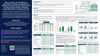
research Efficacy, Safety, and Tolerability of Upadacitinib in Adults and Adolescents With Severe Alopecia Areata: Results From the Randomized, Placebo-Controlled, Double-Blind Phase 3 Program (UP-AA)
Upadacitinib effectively treats severe alopecia areata and is safe.
research Identification of compound heterozygous mutations in AP1B1 leading to the newly described recessive keratitis–ichthyosis–deafness (KIDAR) syndrome
Mutations in the AP1B1 gene cause a new syndrome with skin, hearing, and developmental issues.
research Evaluation of Serum Inflammatory Markers and Their Relationship to Treatment Response in Alopecia Areata Patients
SII is a useful and affordable tool to assess and monitor alopecia areata.
research Atherogenic index of plasma in non-obese women with androgenetic alopecia
Non-obese women with hair loss have higher heart disease risk.
research A Novel Mutation in theMBTPS2Gene Resulting in Ichthyosis Follicularis, Atrichia, and Photophobia Syndrome
A new mutation in the MBTPS2 gene causes a mild form of IFAP syndrome.
research Efficacy of the phosphodiesterase-4 inhibitor, apremilast, in a patient with severe alopecia areata
The document did not conclude on apremilast's effectiveness for severe alopecia areata.
research Drug-Induced Alopecia Areata From Upadacitinib
Upadacitinib may cause hair loss.
research Letter from Brisbane [Letters to editor]
A Japanese patient with a rare genetic disorder had a less severe case than others, suggesting other factors may affect symptoms.
research Glossary
research Upadacitinib for the treatment of alopecia areata and severe atopic dermatitis in a paediatric patient: A case report
Upadacitinib successfully treated a child's severe skin and hair loss issues.
research LB1159 First-in-human clinical trial evaluating AI-09, a novel long-lasting ready-to-use liquid injectable neuromodulator for the treatment of glabellar lines
AI-09 is safe, effective, and reduces wrinkles for up to 6 months.
research A double blind, randomised, vehicle-controlled, safety and tolerance study of topical PSK 3841 solution at 5% administered twice daily over four weeks to healthy Caucasian males with androgenetic alopecia
research 0350 Impact of switching janus kinase inhibitors in the treatment of severe alopecia areata
Switching Janus kinase inhibitors helped some patients with severe alopecia areata regrow hair, but insurance issues can worsen the condition.
research Topical SCD-153, a 4-methyl itaconate prodrug, for the treatment of alopecia areata
SCD-153 shows promise as an effective topical treatment for alopecia areata.
research The PDE4 inhibitor, apremilast, suppresses experimentally induced alopecia areata in human skin in vivo
Apremilast may help treat hair loss in alopecia areata.
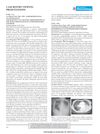
research LUNG IS A BATTLEFIELD: DIFFUSE ALVEOLAR HEMORRHAGE IN ANTIPHOSPHOLIPID SYNDROME
Early recognition and a team approach are crucial for managing diffuse alveolar hemorrhage in antiphospholipid syndrome.
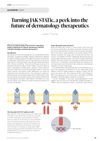
research Turning JAK STATic, a peek into the future of dermatology therapeutics
JAK inhibitors show promise for treating skin diseases effectively and safely.
research LB1139 AMP-303 injectable treatment for androgenetic alopecia: A multicenter, randomized, placebo-controlled feasibility study of a novel polysaccharide
AMP-303 safely increases hair growth in men with hair loss.