 September 2025 in “Journal of the American Academy of Dermatology”
 Reducing SFRP1 can promote hair growth and may help treat hair loss.
 June 2023 in “British journal of dermatology/British journal of dermatology, Supplement”
 Patients with alopecia areata face challenges accessing Janus kinase inhibitors, but some see positive results.
20 citations
,
October 2017 in “Stem Cell Reports” Alkaline Ceramidase 1 prevents early hair loss in mice by keeping hair follicle stem cells balanced.
November 2025 in “The Journal of Immunology” The S1PR 1&4 modulator may effectively treat alopecia areata by reducing hair loss and immune cell activity.
70 citations
,
December 2008 in “Cancer Research” CXCR2 in skin cells promotes tumor growth.
85 citations
,
January 1996 in “International Journal of Cancer” AS101 reduces hair loss from chemotherapy.
 59 citations
,
July 2015 in “Journal of Immunology”
59 citations
,
July 2015 in “Journal of Immunology” Certain proteins, caspases-1 and -11, are important in the early development of skin inflammation in mice.
 7 citations
,
March 2022 in “Scientific reports”
7 citations
,
March 2022 in “Scientific reports” Removing anthrax toxin receptor 1 in pigs prevents Senecavirus A infection and causes a rare disease similar to GAPO syndrome.
 46 citations
,
December 2010 in “The journal of investigative dermatology/Journal of investigative dermatology”
46 citations
,
December 2010 in “The journal of investigative dermatology/Journal of investigative dermatology” Disrupting Acvr1b in mice causes severe hair loss and thicker skin.
1 citations
,
May 2004 in “Biochemical and Biophysical Research Communications” Two new gene clusters important for hair formation were found on human chromosome 11.
34 citations
,
January 2004 in “Genomics” A cluster of 21 keratin-associated protein genes important for hair growth was found on human chromosome 21.
51 citations
,
January 2007 in “The journal of investigative dermatology/Journal of investigative dermatology” Scientists discovered a unique hair protein, KAP24.1, with a special structure, found only in the upper part of hair cuticles.
7 citations
,
May 2022 in “Cancers” UC.145 may be a new biomarker for predicting gastric cancer.
July 2024 in “Journal of Investigative Dermatology” OR101 may effectively treat atopic dermatitis and similar skin conditions.
 76 citations
,
June 2018 in “EMBO Reports”
76 citations
,
June 2018 in “EMBO Reports” YAP and TAZ proteins are necessary for the development of two types of skin cancer.
 26 citations
,
August 2019 in “Stem Cell Research & Therapy”
26 citations
,
August 2019 in “Stem Cell Research & Therapy” PBX1 helps hair stem cells grow and change by turning on certain cell signals and preventing cell death, which may be useful for hair regrowth treatments.
2 citations
,
May 2024 in “Expert Opinion on Drug Safety” Infections during JAK inhibitor treatment for alopecia areata are usually manageable and rarely stop treatment permanently.
July 2024 in “Journal of Investigative Dermatology” INTASYL is a promising, adaptable RNAi technology for treating skin cancers.
26 citations
,
September 2009 in “Clinical genetics” Arab APS1 patients have unique and recurrent AIRE gene mutations.
April 2017 in “Journal of Investigative Dermatology” Deleting Crif1 in mouse skin disrupts skin balance and hair growth.
April 2016 in “The journal of investigative dermatology/Journal of investigative dermatology” Laminin-511 is involved in psoriasis development and can be regulated by cannabinoid receptor type 1.
23 citations
,
January 2024 in “Journal of Investigative Dermatology” Corticosteroids can reduce scarring in acne keloidalis by targeting specific cells.
 May 2026 in “Theranostics”
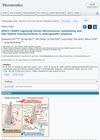
 Targeting DKK3–CKAP4 can help reverse hair loss in androgenetic alopecia.
June 2025 in “OPAL (Open@LaTrobe) (La Trobe University)” Anti-Ku-positive patients often have muscle weakness and autophagy plays a key role in their condition.
 2 citations
,
August 2023 in “Autophagy”
2 citations
,
August 2023 in “Autophagy” Autophagy helps control skin inflammation and cancer responses and regulates hair growth by affecting stem cell activity.
1 citations
,
September 2025 in “JAAD reviews.” Janus kinase inhibitors are effective for severe alopecia areata, promoting hair regrowth.
119 citations
,
September 2000 in “Journal of Biological Chemistry” GKLF/KLF4 and Sp1 control Keratin 19 gene activity, influencing cancer-related changes.
Ivarmacitinib effectively regrows hair in severe alopecia areata.
 17 citations
,
September 2014 in “PLoS ONE”
17 citations
,
September 2014 in “PLoS ONE” SK2 channels help control sensory signals in rat muscle spindles and hair follicles.
 184 citations
,
February 2015 in “EBioMedicine”
184 citations
,
February 2015 in “EBioMedicine” A patient with Alopecia Areata had complete hair regrowth after using the drug baricitinib.