 March 2010 in “International Journal of Cosmetic Science”
 Disulfide bonds affect the melting behavior of hair's crystalline structure, but hair retains some stability even after these bonds are broken.
January 2026 in “International Journal of Biological Macromolecules” Keratin in people with androgenetic alopecia shows specific changes that could help develop new treatments.
1 citations
,
April 2022 in “Crystal Growth & Design” 5 citations
,
January 2024 in “Crystals” The salts have diverse molecular packing with significant hydrogen interactions.
11 citations
,
April 2012 in “Journal of Investigative Dermatology” A specific mutation in PA-PLA1α causes abnormal hair growth.
 17 citations
,
August 2007 in “Bioorganic & Medicinal Chemistry Letters”
17 citations
,
August 2007 in “Bioorganic & Medicinal Chemistry Letters” A compound made by Pfizer can potentially stimulate hair growth and reduce oil production, making it a good candidate for topical use.
3 citations
,
May 2007 in “Journal of Heterocyclic Chemistry” A new method to make finasteride for hair loss treatment was developed.
 1 citations
,
November 2008 in “Acta crystallographica”
1 citations
,
November 2008 in “Acta crystallographica” Scientists successfully created and analyzed the structure of a part of the human androgen receptor with specific modulators and a peptide to understand how it binds differently in various tissues.
63 citations
,
May 2015 in “PloS one” GALT5 and GALT2 are important for plant growth and development because they help with protein glycosylation.
68 citations
,
January 2020 in “International Journal of Pharmaceutics” Vitamin C-based nanovesicles effectively treat acne.
 October 2023 in “Psychiatry research. Case reports”
 A new HRAS gene variant may cause a range of symptoms including intellectual disability and psychiatric issues.
June 2024 in “Current Developments in Nutrition” KeraGLO improves skin and hair health.
16 citations
,
November 2018 in “The journal of pain/Journal of pain” 14,15-EET may help reduce poststroke pain by affecting certain brain proteins.
 February 2026 in “Journal of Microbiology and Biotechnology”
 Abietic acid from pine rosin can effectively fight and reduce harmful skin microbes.
13 citations
,
January 2002 in “Biological chemistry” Different conditions affect how hair proteins assemble, and certain mutations can change their structure.
75 citations
,
June 2007 in “Journal of Biological Chemistry” MT-DADMe-ImmA can selectively kill head and neck cancer cells without harming normal cells.
 7 citations
,
February 1998 in “Polymer journal”
7 citations
,
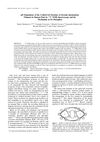
February 1998 in “Polymer journal” Keratin structure in hair is stable at pH 5-6 but disrupts between pH 6-7.
 59 citations
,
January 2015 in “Nanoscale”
59 citations
,
January 2015 in “Nanoscale” The new micelle formulation delivers acne treatment more effectively and safely than current gels.
66 citations
,
December 1999 in “Journal of Investigative Dermatology” New mutations in the hairless gene may cause hair loss and affect bone development.
November 2025 in “Advanced Healthcare Materials” Charge-conversion chemistry improves hair-rebonding by enhancing penetration and strength.
October 2024 in “Skin Appendage Disorders” Higher FABP4 levels may indicate more severe alopecia areata.
 6 citations
,
April 2013 in “International Journal of Dermatology”
6 citations
,
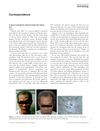
April 2013 in “International Journal of Dermatology” Valproic acid helped hair growth in alopecia patient; more research needed.
 August 2025 in “Scientific Reports”
 C4BPA protein may link acne severity and insulin resistance.
Fetuin-A levels are higher in PCOS patients, suggesting it may play a role in the condition.
January 2008 in “Chinese Journal of Spectroscopy Laboratory” Cysteine formation on hair indicates damage, best detected at pH 4.5.
January 2015 in “Seoul National University Open Repository (Seoul National University)” Polyunsaturated fatty acids, especially arachidonic acid and eicosapentaenoic acid, can promote hair growth.
12 citations
,
December 2023 in “Plant Communications” ADF8 and ADF11 help root hairs grow longer at high pH.
 1 citations
,
April 2019 in “The journal of investigative dermatology/Journal of investigative dermatology”
1 citations
,
April 2019 in “The journal of investigative dermatology/Journal of investigative dermatology” Melanocyte-associated antigens may play a key role in alopecia areata and could be targets for new treatments.
124 citations
,
July 1997 in “Journal of Biological Chemistry” Overexpressing a specific enzyme in mice causes hair loss and female infertility.
January 2026 in “JPRAS Open” PDLLA scalp injections improved hair regrowth in most patients with non-scarring alopecia.