 23 citations
,
October 2018 in “Australasian Journal of Dermatology”
23 citations
,
October 2018 in “Australasian Journal of Dermatology” The current understanding of frontal fibrosing alopecia involves immune, genetic, hormonal factors, and possibly environmental triggers, but more research is needed for effective treatments.
 1 citations
,
January 2020 in “Skin appendage disorders”
1 citations
,
January 2020 in “Skin appendage disorders” Finasteride may help treat frontal fibrosing alopecia, but more research is needed.
 2 citations
,
September 2022 in “Cellular and molecular biology”
2 citations
,
September 2022 in “Cellular and molecular biology” Agaricus bisporus derived β-Glucan could be an effective cervical cancer treatment with antimicrobial and antioxidant properties.
 52 citations
,
March 2010 in “British Journal of Dermatology”
52 citations
,
March 2010 in “British Journal of Dermatology” Alopecia areata shows a unique type 1 interferon signature, suggesting potential treatment by targeting this pathway.
332 citations
,
June 1994 in “Archives of Dermatology” Postmenopausal frontal fibrosing alopecia may be a unique condition linked to postmenopausal changes.
5 citations
,
February 2016 in “Sultan Qaboos University medical journal” The patient had a severe itchy rash and hair loss in the armpits.
July 2022 in “Journal of Cosmetic Dermatology” Isotretinoin with tacrolimus may be more effective short-term for treating frontal fibrosing alopecia than finasteride with tacrolimus.
 January 2020 in “Revista da Sociedade Portuguesa de Dermatologia e Venereologia”
 Frontal fibrosing alopecia in Brazil mostly affects postmenopausal women, often linked with hypothyroidism and eyebrow hair loss.
9 citations
,
March 1998 in “PubMed” Surgery successfully treated the ferret's adrenal issue, leading to hair regrowth and improved health.
 3 citations
,
November 2020 in “Clinical, Cosmetic and Investigational Dermatology”
3 citations
,
November 2020 in “Clinical, Cosmetic and Investigational Dermatology” Early diagnosis and combination therapy, especially with finasteride and dutasteride, are key to managing Frontal Fibrosing Alopecia effectively.
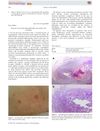 5 citations
,
August 2014 in “Australasian journal of dermatology”
5 citations
,
August 2014 in “Australasian journal of dermatology” Sorafenib can cause delayed skin problems, so patients need careful monitoring.
December 2013 in “American journal of transplantation” The patient improved after antiviral treatment for a viral infection.
 1 citations
,
November 2023 in “Contact dermatitis”
1 citations
,
November 2023 in “Contact dermatitis” Some people with Frontal Fibrosing Alopecia may be allergic to a common sunscreen ingredient.

I'm sorry, but I cannot process the document as it is not in English. If you provide an English summary or conclusion, I can help summarize that for you.
15 citations
,
January 2018 in “Journal of Cutaneous Medicine and Surgery” It's important to understand the differences between FMF and PFM in children.
7 citations
,
August 1971 in “JAMA” Tinea faciale can be mistaken for lupus due to similar symptoms.
 3 citations
,
March 2014 in “Journal of Industrial Microbiology & Biotechnology”
3 citations
,
March 2014 in “Journal of Industrial Microbiology & Biotechnology” Scientists found a new gene in a bacterium that can modify an immunosuppressant drug, potentially helping to treat hair loss.
 46 citations
,
January 2015 in “Journal of The American Academy of Dermatology”
46 citations
,
January 2015 in “Journal of The American Academy of Dermatology” Trichoscopy helps diagnose and assess the severity of Frontal Fibrosing Alopecia.
 16 citations
,
January 2007 in “Actas dermo-sifiliográficas/Actas dermo-sifiliográficas”
16 citations
,
January 2007 in “Actas dermo-sifiliográficas/Actas dermo-sifiliográficas” The document concludes that there are no reliable treatments for frontal fibrosing alopecia, with only temporary benefits from current options.
 1 citations
,
March 2016 in “Journal of The American Academy of Dermatology”
1 citations
,
March 2016 in “Journal of The American Academy of Dermatology” More research needed to confirm finasteride as standard treatment for FFA.
January 2022 in “Clinical Cases in Dermatology” A 47-year-old man was diagnosed with a specific type of hair loss and advised to use certain medications and avoid hair transplants.

Fusarium sp. strain K–23 helps Arabidopsis plants grow better in salty soil by boosting root hair growth.
8 citations
,
January 2011 in “International journal of trichology” Accurate diagnosis of APL is crucial to avoid unnecessary treatments.
5 citations
,
July 2009 in “Clinical and experimental dermatology” 15 citations
,
July 2004 in “AIDS” Indinavir therapy can cause reversible skin, hair, and nail darkening.
 1 citations
,
June 2022 in “International Journal of Dermatology”
1 citations
,
June 2022 in “International Journal of Dermatology” FFA in men shows unique features and treatment results vary widely.
 1 citations
,
April 2021 in “Journal of The American Academy of Dermatology”
1 citations
,
April 2021 in “Journal of The American Academy of Dermatology” Some overweight or obese men with long-term frontal fibrosing alopecia may have abnormal sex hormone levels.
8 citations
,
March 2010 in “Chinese medical journal/Chinese Medical Journal” Malassezia infection may cause refractory acne, and antifungal treatments can help.
6 citations
,
May 2024 in “JAAD Case Reports” Topical ruxolitinib cream may help treat frontal fibrosing alopecia.
 May 2025 in “Scholars Journal of Medical Case Reports”
 A 10-year-old boy's scalp infection was cured with oral medication in two months.