3 citations
,
June 2021 in “Frontiers in genetics” The protein STAT3 slows down cell growth by blocking the FST gene, which affects hair development in sheep.
 July 2012 in “European journal of cancer”
 MPA increases cancer spread by boosting Eph A2 activity.
January 2013 in “Shiyong yixue zazhi” Astraglus polysaccharide may help hair growth by boosting follicle stem cell activity.
May 2025 in “OPAL (Open@LaTrobe) (La Trobe University)” Linoleic acid and magnesium are key in alopecia areata progression, and tofacitinib can help by affecting their pathway.
Thymosin β4 helps with healing, inflammation, and organ protection.
8 citations
,
April 2017 in “Journal of The Royal Society Interface” Giant axonal neuropathy changes the structure of keratin in human hair.
June 2026 in “Case Reports in Dermatology” Dupilumab improved hair and skin in a woman with Netherton syndrome.
28 citations
,
November 2004 in “Endocrinology” SARMs may offer benefits by boosting muscle effects without unwanted side effects.
Deleting Smad4 and PTEN genes in mice causes rapid, invasive stomach cancer.
February 2023 in “Zenodo (CERN European Organization for Nuclear Research)” 2 citations
,
May 2024 in “European Journal of Investigation in Health Psychology and Education” Many bodybuilders in Sergipe, Brazil use anabolic steroids, facing health risks like acne, irritability, and hypertension.
 18 citations
,
January 2011 in “International journal of trichology”
18 citations
,
January 2011 in “International journal of trichology” Hair casts, also called pseudonits, are often mistaken for other conditions.
 January 2025 in “Cosmetics”
 Astragalus sinicus extracts may help promote hair growth and treat hair loss.
28 citations
,
July 1980 in “British Journal of Dermatology” The hair disorder was caused by abnormal protein formation, making hair easily damaged.
 14 citations
,
October 2020 in “Scientific reports”
14 citations
,
October 2020 in “Scientific reports” Hair greying is linked to reduced ATM protein in hair cells, which protects against stress and damage.
3 citations
,
September 2024 in “Skin Research and Technology” Interest in Acanthosis nigricans research is growing, highlighting key focus areas and influential work.
 September 2020 in “bioRxiv (Cold Spring Harbor Laboratory)”
 Different fish use the same genes to regrow teeth.
1 citations
,
July 1991 in “PubMed” MRI can show unusual brain changes in adrenomyeloneuropathy.
April 2017 in “Leukemia research” Tofacitinib helped most teenagers in the study regrow hair with mild side effects.
 October 2021 in “Dermatology Reports”
 Tofacitinib, a hair regrowth treatment, may worsen acne.
 22 citations
,
January 2008 in “Physiological Research”
22 citations
,
January 2008 in “Physiological Research” Steroid sulfatase is important for activating hormones that affect memory, brain function, and certain diseases, and could be a target for treating hormone-related disorders.
 10 citations
,
June 2011 in “Movement Disorders”
10 citations
,
June 2011 in “Movement Disorders” THAP1 gene changes do not affect DYT1 dystonia; finasteride may help reduce tics and OCD in Tourette syndrome.
 26 citations
,
October 2016 in “Case Reports in Dermatology”
26 citations
,
October 2016 in “Case Reports in Dermatology” A man with severe hair loss saw hair and nail improvement after 10 months on tofacitinib without side effects.
 15 citations
,
February 2019 in “Journal of clinical medicine”
15 citations
,
February 2019 in “Journal of clinical medicine” Atorvastatin reversed memory problems caused by cancer drug trastuzumab and improved its cancer-fighting abilities without causing hair loss.
 6 citations
,
June 2008 in “Journal of the European Academy of Dermatology and Venereology”
6 citations
,
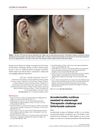
June 2008 in “Journal of the European Academy of Dermatology and Venereology” A man with Acrodermatitis continua did not get better with etanercept treatment, and his condition worsened, suggesting treatment effectiveness may vary by genetics and race.
 43 citations
,
May 1988 in “British Journal of Dermatology”
43 citations
,
May 1988 in “British Journal of Dermatology” Patients with acanthosis nigricans often have insulin resistance and signs of increased male hormones, but treatment targeting these male hormones is generally ineffective.
November 2024 in “Journal of Investigative Dermatology” Reducing neutrophils or inhibiting NETs improves wound healing in sickle cell disease.
 69 citations
,
January 2013 in “Frontiers in Immunology”
69 citations
,
January 2013 in “Frontiers in Immunology” The FOXN1 gene is crucial for developing immune cells and preventing immune disorders.
March 2009 in “Hair transplant forum international” July 2024 in “Journal of Investigative Dermatology” Substance P helps restore skin thickness and cell renewal when sensory nerves are reduced.