 April 2020 in “Journal of the Endocrine Society”
 Male pattern baldness may indicate arterial stiffness in transgender men on long-term testosterone therapy.
1 citations
,
November 2010 in “Anticancer Research” Finasteride and dutasteride both increase chromogranin A levels similarly.
47 citations
,
April 2000 in “Experimental Dermatology” A new gene mutation causes a rare type of hair loss.
Activin A increases inner ear hair cell development, while follistatin decreases it.
 August 2020 in “Ugeskrift for Læger”
 A man with severe hair loss regrew all his hair using tofacitinib and stayed healthy for a year.
 July 2010 in “Hair transplant forum international”
 A new group called the Asian Association of Hair Restoration Surgeons (AAHRS) has been created.
April 2010 in “The journal of immunology/The Journal of immunology” FoxN1 gene is crucial for proper thymus structure and normal skin appearance.
July 2025 in “InnovAiT Education and inspiration for general practice” 47 citations
,
September 2002 in “Journal of Bone and Mineral Research” A mutation in the vitamin D receptor causes severe resistance to vitamin D, affecting bone health but not hair growth.
Spearmint tea may help reduce testosterone levels in women with PCOS, but longer studies are needed to confirm its effect on hirsutism.
2 citations
,
January 1998 in “Neurourology and Urodynamics” AMN can cause bladder problems due to nerve damage.
 55 citations
,
July 1999 in “Clinics in Sports Medicine”
55 citations
,
July 1999 in “Clinics in Sports Medicine” Athletes use steroids to enhance performance despite health risks and legal issues, and education on their dangers is needed.
July 2026 in “Pediatric Allergy and Immunology” January 2025 in “Digital Commons - Gardner-Webb University (Gardner–Webb University)” Abusing anabolic steroids can cause serious health problems despite short-term muscle gains.
 1 citations
,
January 1970
1 citations
,
January 1970 Precise objectives can improve student achievement in health education.
 1 citations
,
March 2021 in “Phytomedicine plus”
1 citations
,
March 2021 in “Phytomedicine plus” Cernitin™, a pollen extract, was found to significantly reduce pain and inflammation in rats with chronic prostatitis, suggesting it could be a useful alternative to certain anti-inflammatory drugs.
 3 citations
,
January 2008 in “Endocrine journal”
3 citations
,
January 2008 in “Endocrine journal” A new mutation linked to partial Androgen Insensitivity Syndrome and prostate cancer was found in a patient unhappy with their female gender assignment.
 April 2018 in “Journal of Investigative Dermatology”
 Basonuclin 1 (BNC1) helps skin cells multiply and move, which is crucial for wound healing.
 June 2006 in “Annales de Dermatologie et de Vénéréologie”
 Tranexamic acid effectively reduced swelling episodes in a girl with a rare form of hereditary angioneurotic edema.
November 2005 in “PubMed” 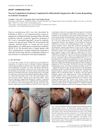 14 citations
,
January 2015 in “Acta dermato-venereologica”
14 citations
,
January 2015 in “Acta dermato-venereologica” Acitretin significantly reduced inflammatory attacks in a woman with Naevus Comedonicus Syndrome but caused side effects.
 July 2022 in “Journal of Investigative Dermatology”
 Substance P may contribute to hair loss by increasing oxidative stress and mitochondrial activity in hair follicles.
1 citations
,
January 2020 in “bioRxiv (Cold Spring Harbor Laboratory)” Weak cell junctions disrupt hair follicle stem cell rest.
47 citations
,
April 2021 in “BMC Medical Genomics” Certain gene variants can influence acne risk and severity.
September 2025 in “Cosmetics” Genetic profiling can improve androgenetic alopecia treatment by predicting drug response and minimizing side effects.
December 1981 in “ビジネスコミュニケ-ション” TRPV1 affects sebaceous gland function and could help treat acne.

Dupilumab improved hair and skin in a woman with Netherton syndrome.
Spironolactone effectively treats hormonal acne, hair loss, and excess hair growth in women.
 12 citations
,
August 1984 in “Genetics Research”
12 citations
,
August 1984 in “Genetics Research” The N gene affects the protein makeup of mouse hair.