 July 2018 in “British Journal of Dermatology”
 Mindfulness reduces anxiety and depression in skin disease patients; dermatologists and psychiatrists often lack confidence in treating psychodermatological conditions.
 November 2003 in “Skinmed”
 Unable to summarize as the document content is not provided.
1 citations
,
September 2023 in “Journal of the American Academy of Dermatology” 3 citations
,
December 2022 in “Clinical Cosmetic and Investigational Dermatology” Over 50% of dermatology patients in Aseer, Saudi Arabia, use alternative treatments, often with satisfactory results.
Resident doctors had more facial skin discoloration than medical students during COVID-19.
 December 2024 in “Texila international journal of public health”
 Trichoscopy effectively diagnoses and monitors cicatricial alopecias, reducing the need for biopsies.
 65 citations
,
January 2017 in “Postępy Dermatologii i Alergologii”
65 citations
,
January 2017 in “Postępy Dermatologii i Alergologii” High-frequency ultrasonography is a useful but underused tool in dermatology for assessing skin cancers, monitoring diseases, and evaluating treatments.
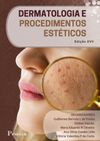 September 2025 in “Editora Pasteur eBooks”
 Continuous learning and personalized treatments are crucial in dermatology due to rapid technological advancements.
 21 citations
,
June 2020 in “Dermatologic Therapy”
21 citations
,
June 2020 in “Dermatologic Therapy” The COVID-19 pandemic led to fewer dermatology visits and changed the types of skin conditions patients experienced.
October 2023 in “Pharmacoepidemiology and Drug Safety” Most dermatology drugs in Denmark are used correctly, with few unusual patterns.
78 citations
,
January 2013 in “Brachytherapy” HDR electronic brachytherapy effectively treats nonmelanoma skin cancer with good cosmetic results and minimal side effects.
Trichoscopy is a useful tool for monitoring hair and scalp diseases.
 July 2017 in “The American Journal of Cosmetic Surgery”
 A patient's hair loss after a browlift surgery improved on its own over 8 months.
Trichoepithelioma and desmoplastic trichoepithelioma have distinct features that can be identified using reflectance confocal microscopy.
1 citations
,
January 2010 in “Springer eBooks” The book simplifies dermatology terms to make communication among dermatologists easier.
 September 2023 in “Дерматовенерология, косметология”
 Digital video microscopy is a useful non-invasive tool for diagnosing non-scarring alopecia.
 March 2026 in “American Journal of Clinical Dermatology”
 Cancer survivors need better skin care to improve their quality of life.
 2 citations
,
December 2022 in “Journal of the European Academy of Dermatology and Venereology”
2 citations
,
December 2022 in “Journal of the European Academy of Dermatology and Venereology” More people are seeing dermatologists for hair and scalp problems now than in the past.
 3 citations
,
June 2021 in “Clinical, Cosmetic and Investigational Dermatology”
3 citations
,
June 2021 in “Clinical, Cosmetic and Investigational Dermatology” Dermoscopy is an effective tool for accurately detecting skin cancers.
Post-earthquake, skin issues like dermatitis and infections were common due to trauma, disinfectants, and stress.
 January 2024 in “Wiadomości Lekarskie”
 AI is advancing in dermatology and cosmetology, raising questions about its potential and trustworthiness.
 1 citations
,
January 2023 in “Brazilian Journals Editora eBooks”
1 citations
,
January 2023 in “Brazilian Journals Editora eBooks” Children's screen time increased during the pandemic, causing various health issues.
 38 citations
,
April 2017 in “Journal of The American Academy of Dermatology”
38 citations
,
April 2017 in “Journal of The American Academy of Dermatology” Many skin patients have mental health issues, but few dermatologists are well-versed in treating these conditions.
2 citations
,
November 2025 in “Pharmaceutics” Cell-mediated drug delivery systems improve skin disease treatment by using living cells for precise, prolonged, and less toxic therapy.
January 2019 in “Dermatologic Surgery” 
research TOC
April 2007 in “Dermatologic Clinics” Understanding drug effects and careful monitoring are crucial for safe and effective dermatology treatments.

New methods improve skin disease diagnosis and treatment.
The digital system for measuring melasma shows promise but needs more development for better accuracy and automation.
1 citations
,
August 2025 in “Medicina” Non-invasive imaging techniques improve scalp condition diagnosis and patient quality of life.
May 2025 in “Oxford Academix (Oxford)” Dermatology trainees lack standardized guidelines and education for treating testosterone-induced skin conditions in transmasculine individuals.