 1 citations
,
January 2022 in “Medical Science”
1 citations
,
January 2022 in “Medical Science” People with Alopecia Areata have a higher risk of heart-related health issues.
6 citations
,
November 2020 in “Annals of Plastic Surgery” Adipose-derived stem cells and platelet-rich plasma together can protect skin and hair from radiotherapy damage.
 October 2023 in “Indian journal of ophthalmology. Case reports”
 A woman lost vision in one eye after a forehead injection, but prompt treatment led to partial vision recovery.
September 2023 in “Journal of the American Academy of Dermatology” Bullous pemphigoid can look like erythema multiforme, so awareness is needed for proper treatment.
 6 citations
,
April 2020 in “Cureus”
6 citations
,
April 2020 in “Cureus” A woman with both TLE and SLE improved with hydroxychloroquine treatment.
 9 citations
,
January 2017 in “Dermatology Online Journal”
9 citations
,
January 2017 in “Dermatology Online Journal” Some hair loss drugs can cause a unique type of hair loss that resembles both psoriasis and alopecia.
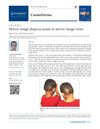
Mirror-image twins can have alopecia areata on opposite sides of their heads.
5 citations
,
August 1981 in “Archives of Dermatology” Alopecia areata may be caused by the immune system attacking hair follicles.
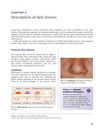
The document explains different types of skin lesions and their characteristics, causes, and related conditions.
1 citations
,
April 2011 in “Clinical Kidney Journal” A benign skin tumor grew quickly in a dialysis patient and was surgically removed.
3 citations
,
February 2017 in “The American journal of dermatopathology/American journal of dermatopathology” Sarcoidosis can mimic other skin disorders, making diagnosis challenging.
January 2020 in “Dermatology Review” Early diagnosis and treatment are crucial for managing alopecia areata, morphea, and psoriasis.
 February 2024 in “Journal of dermatology research reviews & reports”
 A 50-year-old woman with breast cancer developed an autoimmune skin disorder, highlighting the need for thorough checks and team-based treatment.
7 citations
,
January 1990 in “Archives of Dermatological Research” Syringomas likely start in the upper dermis and form distinct luminal structures.
 January 2011 in “Journal of The American Academy of Dermatology”
 Two patients had a rare combination of red skin spots and white scaly skin lesions not on the genitals.
 December 2023 in “International journal of research in dermatology”
 Adding PRP to topical mometasone improves and speeds up alopecia areata treatment.
January 2008 in “Bradford Scholars (University of Bradford)” Alopecia areata may be caused by antibodies targeting specific hair follicle proteins, hindering hair growth.
 6 citations
,
January 1985 in “ACTA HISTOCHEMICA ET CYTOCHEMICA”
6 citations
,
January 1985 in “ACTA HISTOCHEMICA ET CYTOCHEMICA” Tumor cells in calcifying epithelioma of Malherbe resemble hair follicle cells.
June 2026 in “Indian Dermatology Online Journal” Alopecia areata may involve systemic issues like blood clotting and inflammation, not just hair loss.
May 2017 in “Journal of the American Academy of Dermatology” 1 citations
,
September 2021 in “DOAJ (DOAJ: Directory of Open Access Journals)” Alopecia areata patients often have other autoimmune diseases, especially women with nail issues or atopic diseases.
 4 citations
,
November 2021 in “Journal of Clinical Medicine”
4 citations
,
November 2021 in “Journal of Clinical Medicine” Higher levels of CCL7 are linked to more severe hair loss in alopecia areata patients.
1 citations
,
July 2024 in “Journal of Investigative Dermatology” Plaquenil can cause a severe skin reaction called AGEP, requiring prompt diagnosis and treatment.
Tjalma Syndrome is a rare condition in people with lupus, causing fluid buildup and high CA-125 levels, but not due to tumors.
Frontal Fibrosing Alopecia mainly affects postmenopausal women and is linked to thyroid disease, hyperlipidemia, and anemia.
 10 citations
,
March 2014 in “Scandinavian journal of clinical and laboratory investigation”
10 citations
,
March 2014 in “Scandinavian journal of clinical and laboratory investigation” Malondialdehyde-modified DNA may trigger an immune response in alopecia areata patients.
May 2025 in “Oral Sciences Reports” A lip nodule from a filler injection was successfully removed with surgery.
 32 citations
,
January 2015 in “Annals of diagnostic pathology”
32 citations
,
January 2015 in “Annals of diagnostic pathology” The document concludes that recognizing oral lesions is important for diagnosing syphilis.
2 citations
,
September 2024 in “Journal of the American Academy of Dermatology” Higher monocyte counts may predict poor response to adalimumab in hidradenitis suppurativa patients.
December 2025 in “Actas Dermo-Sifiliográficas” Use a combination of oral dutasteride, topical treatments, and hydroxychloroquine to manage frontal fibrosing alopecia.