 6 citations
,
February 2016 in “British Journal of Dermatology”
6 citations
,
February 2016 in “British Journal of Dermatology” A woman with a drug allergy to anakinra was successfully desensitized, allowing her to continue treatment without allergic reactions.
 13 citations
,
July 2019 in “Toxicology research”
13 citations
,
July 2019 in “Toxicology research” Ethanamizuril is safe for rats at 20 mg/kg feed, but higher doses cause hair loss, organ changes, and liver, kidney, and lung damage.
 37 citations
,
October 2006 in “Steroids”
37 citations
,
October 2006 in “Steroids” New sulfur-containing steroid analogs show promise for more targeted medical treatments.
 20 citations
,
June 2022 in “Molecules”
20 citations
,
June 2022 in “Molecules” Thiazole, a sulfur and nitrogen chemical, is useful in creating potential drugs for conditions like seizures, cancer, bacterial infections, tuberculosis, inflammation, malaria, viruses, Alzheimer's, diabetes, and A1-receptor issues.
1 citations
,
August 2025 in “Clinica Chimica Acta”  4 citations
,
April 2021 in “Journal of Cosmetic Dermatology”
4 citations
,
April 2021 in “Journal of Cosmetic Dermatology” Botulinum toxin may help hair loss by increasing blood flow and reducing harmful factors.
 2 citations
,
April 2019 in “Journal of the American Society of Nephrology”
2 citations
,
April 2019 in “Journal of the American Society of Nephrology” Fluconazole might be a new treatment for a type of diabetes that affects water balance in the body.
1 citations
,
July 2024 in “JAAD International” Low-dose oral minoxidil is effective for alopecia even with other medications.
 October 2025 in “Pharmaceutics”
 Microneedles improve drug delivery for skin diseases, enhancing treatment effectiveness and patient compliance.
 September 2024 in “Health Sciences”
 Androgenic alopecia can be treated with minoxidil, finasteride, and hormonal therapy.
November 2025 in “The Journal of Dermatology” Nemolizumab improved both severe atopic dermatitis and alopecia areata in one patient.
The combination of oral minoxidil, oral dutasteride, and mesotherapy is the most effective and safe for hair growth in AGA.
Thai plant extracts, especially Avicennia marina, can promote hair growth by inhibiting certain enzymes and boosting growth factors.

Machine learning optimized microneedles for hair loss treatment showed better hair regrowth than minoxidil without safety risks.
 14 citations
,
April 2006 in “Expert Review of Dermatology”
14 citations
,
April 2006 in “Expert Review of Dermatology” Antiandrogen therapy helps treat genetic hair loss.
 August 2009 in “Australian Prescriber”
 Dutasteride is approved to help manage prostate enlargement.

Combining Minoxidil with topical Dutasteride via microneedling is the most effective and safe treatment for hair loss.
69 citations
,
September 2013 in “American Journal of Alzheimer s Disease & Other Dementias®” Snakin-Z from jujube fruits may help treat Alzheimer's due to its enzyme inhibition and antioxidant properties.
9 citations
,
January 2009 in “Journal of the European Academy of Dermatology and Venereology” The cream effectively reduces excessive hair growth and related skin issues without side effects.
1 citations
,
October 2011 in “Hospital Pharmacy” November 2024 in “International Journal of Scientific Reports” Dienogest is safer and has fewer side effects than GnRH analogues for treating endometriosis.
 56 citations
,
December 2011 in “The Plant Journal”
56 citations
,
December 2011 in “The Plant Journal” AGD1 is important for root hair development in Arabidopsis, working with phosphoinositide signaling and the actin cytoskeleton.
 11 citations
,
January 1980 in “Southern Medical Journal”
11 citations
,
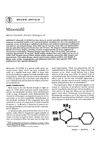
January 1980 in “Southern Medical Journal” Minoxidil effectively treats severe hypertension but has notable side effects.
July 2026 in “Journal of the American Academy of Dermatology”  7 citations
,
April 1987 in “International Journal of Dermatology”
7 citations
,
April 1987 in “International Journal of Dermatology” Stopping imipramine reduced the woman's hair loss.
 3 citations
,
April 1989 in “Drug Information Journal”
3 citations
,
April 1989 in “Drug Information Journal” Side effects of drugs can lead to the discovery of new treatments.
1 citations
,
May 2024 in “International Journal of Molecular Sciences” Adenosine receptors could be promising targets for treating inflammatory skin diseases like psoriasis.
 6 citations
,
February 1996 in “Clinical Pharmacology & Therapeutics”
6 citations
,
February 1996 in “Clinical Pharmacology & Therapeutics” Scale created to measure hair loss in men and women; MK-386 reduces acne; Niaspan treats dyslipidemia; minoxidil increases heart rate.
 January 2015 in “프로그램북(구 초록집)”
 Dutasteride is effective and safe for treating common hair loss, and it's more potent than finasteride, leading to better hair growth and thickness.
 May 2015 in “Journal of The American Academy of Dermatology”
 Both azathioprine and betamethasone treatments help with hair regrowth in alopecia areata, but azathioprine may have fewer side effects.