16 citations
,
January 2018 in “International journal of trichology” Genetics and nutritional deficiencies are key factors in premature graying of hair.
1 citations
,
December 2017 in “Dermatology - Open Journal” Alopecia areata was successfully treated with contact immunotherapy, oral antihistamines, and topical corticosteroids.
October 2025 in “Indian Journal of Paediatric Dermatology” Trichoscopy is a helpful tool for diagnosing Netherton syndrome.
May 2025 in “International Journal of Trichology” Oral Acitretin effectively resolved symptoms in a child with Netherton syndrome.
 January 2025 in “Clinical Dermatology Review”
 Trichoscopy helps accurately diagnose Netherton syndrome, often mistaken for atopic dermatitis.
Children with chronic kidney disease often have skin, hair, and nail problems.
 April 2017 in “IOSR journal of dental and medical sciences”
 Netherton Syndrome is a non-treatable genetic disorder in children causing skin, hair, and allergy issues.
Early genetic testing and new therapies like secukinumab are crucial for managing Netherton syndrome effectively.
 November 2022 in “Journal of Investigative Dermatology”
 Patients with ichthyosis often experience symptoms similar to psoriasis and atopic dermatitis, suggesting that targeted therapies could improve their condition.
 October 2024 in “Journal of the Pakistan Medical Association”
 Genetics, nutrition, lifestyle, and hormones affect early grey hair, but more research is needed.
 12 citations
,
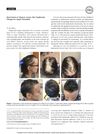
August 2019 in “Dermatitis”
12 citations
,
August 2019 in “Dermatitis” Dupilumab for skin problems might reactivate hair loss in some patients.
 September 2025 in “Meditsinskiy sovet = Medical Council”
 Atopic dermatitis significantly increases the risk of alopecia areata, especially in children.
 April 2019 in “International journal of research in dermatology”
 A child with rough nails also had hair loss and allergies.
 43 citations
,
June 2018 in “Clinics in dermatology”
43 citations
,
June 2018 in “Clinics in dermatology” People with atopic dermatitis are more likely to develop other skin conditions due to shared genetics and immune pathways.
1 citations
,
April 2024 in “Russian Journal of Clinical Dermatology and Venereology” Atopic diseases worsen alopecia areata, leading to earlier onset and more severe forms.
 34 citations
,
August 2005 in “Dermatologic Clinics”
34 citations
,
August 2005 in “Dermatologic Clinics” Stress and emotional factors can worsen skin conditions by affecting the immune system.
 208 citations
,
July 2001 in “Journal of The American Academy of Dermatology”
208 citations
,
July 2001 in “Journal of The American Academy of Dermatology” Pregnancy can cause various skin changes and diseases, with PUPPP being the most common skin condition specific to pregnancy.
 88 citations
,
January 2011 in “Annals of Dermatology”
88 citations
,
January 2011 in “Annals of Dermatology” The document concludes that specific itchy skin diseases during pregnancy have varying fetal risks and treatments, including corticosteroids and other medications.
34 citations
,
November 2022 in “Clinical and Experimental Dermatology” People with alopecia areata are more likely to have other immune-related conditions.
 20 citations
,
July 2024 in “Archives of Dermatological Research”
20 citations
,
July 2024 in “Archives of Dermatological Research” Dupilumab helps children with alopecia areata regrow hair safely.
 7 citations
,
July 2020 in “Dermatologic Therapy”
7 citations
,
July 2020 in “Dermatologic Therapy” During the COVID-19 pandemic in Turkey, the most common skin problem for both kids and adults was acne.
6 citations
,
January 2024 in “Journal of Biotechnology and Biomedicine” Atopic dermatitis needs personalized treatment using various therapies, starting with topical corticosteroids.
2 citations
,
July 2024 in “Indian Journal of Dermatology Venereology and Leprology” Children with atopic diseases have a higher risk of developing alopecia areata.
January 2026 in “Acta Dermato Venereologica” Dupilumab effectively treats severe skin issues in a rare genetic disorder.
September 2025 in “Frontiers in Immunology” Atopic dermatitis and alopecia areata share immune and genetic factors, and targeted therapies may help both.

Dupilumab may cause hair loss, so patients should be monitored.
 January 2025 in “Frontiers in Pediatrics”
 Baricitinib significantly improved hair regrowth and skin condition in a 14-year-old with alopecia areata and atopic dermatitis.
 October 2023 in “Revista Medicina Cutánea Ibero-Latino-Americana”
 Alopecia areata often appears on the scalp and is linked to various health issues, needing thorough evaluation.
 January 2020 in “Medpulse International Journal of General Medicine/Medpulse International Journal of Medicine”
 Premature graying of hair is often linked with other health issues, but treatment with biotin, zinc, and calcium pantothenate is not very effective.
 25 citations
,
March 2012 in “Journal of Dermatological Science”
25 citations
,
March 2012 in “Journal of Dermatological Science” Genetic variants linked to ten skin diseases were found, showing both immune and non-immune factors play a role.