9 citations
,
February 2016 in “Anatomical Science International” Hair proteins change location and structure as hair cells mature.
3 citations
,
October 1994 in “Journal of Dermatological Science” The new antibody, TYHF-1, specifically targets certain hair-related structures.
3 citations
,
December 1967 in “Australasian Journal of Dermatology” Becker's Melanosis and Hypertrichosis mainly affects young males, causing brown skin patches and extra hair on one side of the upper body.
September 2011 in “Archives of dermatology” The child was diagnosed with cutaneous leishmaniasis.
48 citations
,
September 2011 in “British Journal of Dermatology” Epigenetic changes in blood cells may contribute to alopecia areata.
127 citations
,
January 2000 in “Journal of Investigative Dermatology” Cytotoxic T cells cause hair loss in chronic alopecia areata.
 February 2025 in “bioRxiv (Cold Spring Harbor Laboratory)”
 Hair follicles protect melanocytes from sun damage, helping them replenish skin.
175 citations
,
August 1997 in “Nature Genetics” 8 citations
,
June 1981 in “Clinica Chimica Acta” November 2022 in “Journal of Investigative Dermatology” ILC1-like cells can cause alopecia areata by affecting hair follicles.
45 citations
,
December 2007 in “The FASEB journal” There are two types of stem cells in rodent hair follicles, each with different keratin proteins.
10 citations
,
July 1984 in “British Journal of Dermatology” Epidermal cysts come from the skin, while pilar cysts come from hair follicles.
 31 citations
,
September 2016 in “PLoS ONE”
31 citations
,
September 2016 in “PLoS ONE” Cell division orientation varies by body site and is linked to epidermal thickness and cell density.
13 citations
,
April 1982 in “The Journal of Dermatology” Poly(ADP-ribose) synthesis is linked to skin cell differentiation.
January 2005 in “Journal of Cutaneous Pathology” A new benign nail tumor called onychoblastoma was identified.
January 2000 in “Cambio 16” Bcl-2 affects hair growth and pigmentation by controlling cell death.
 40 citations
,
March 2017 in “The journal of investigative dermatology/Journal of investigative dermatology”
40 citations
,
March 2017 in “The journal of investigative dermatology/Journal of investigative dermatology” Growing hair follicles have high mitochondrial activity and ROS in specific regions, aiding hair formation.
59 citations
,
August 1981 in “PubMed” Trichilemmal keratinization is a unique process in hair follicles where the outer root sheath turns into keratin without a specific layer.
27 citations
,
April 2004 in “Biochemical and Biophysical Research Communications” Two new gene clusters important for hair formation were found on human chromosome 11.
 16 citations
,
July 2013 in “The American Journal of Dermatopathology”
16 citations
,
July 2013 in “The American Journal of Dermatopathology” Pigmented casts are common in several hair loss conditions and can help diagnose specific types of alopecia.
3 citations
,
September 2018 in “Journal of Structural Biology” Oxidized trichocyte keratin has a helical dislocation in its structure.
 18 citations
,
August 2021 in “PLoS ONE”
18 citations
,
August 2021 in “PLoS ONE” Melanocyte progenitor cells are found in human fat tissue and can become mature melanocytes, which may help treat skin issues.
6 citations
,
August 2008 in “Journal of Forensic Sciences” Recognizing specific tissue types on telogen hair roots can improve DNA typing.
31 citations
,
February 2007 in “Molecular Carcinogenesis” Overexpressing ATF3 in mice's epithelial cells may lead to oral cancer.
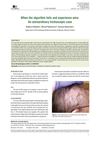 January 2026 in “Forum Dermatologicum”
 Thorough hair examination is crucial for accurate diagnosis and treatment.
 49 citations
,
June 2019 in “eLife”
49 citations
,
June 2019 in “eLife” Ancient DNA blocks are still present in human genomes, possibly due to advantages they provide.

Alopecia areata patients show increased inflammation and OX40 activation, suggesting a new treatment target.
1 citations
,
May 2004 in “Biochemical and Biophysical Research Communications” Two new gene clusters important for hair formation were found on human chromosome 11.
21 citations
,
June 2003 in “Journal of Morphology” Monotreme and marsupial skin proteins show primitive features and species-specific differences compared to placental mammals.
 January 2024 in “Wiadomości Lekarskie”
 AI can help diagnose Follicular Lymphoma by accurately identifying specific cell types.