32 citations
,
December 2015 in “PloS one” P144® improves hypertrophic scars by reducing size and thickness and increasing elasticity.
 1 citations
,
December 2015 in “Dermatologic Surgery”
1 citations
,
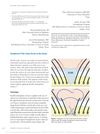
December 2015 in “Dermatologic Surgery” Double trichophytic closure effectively treats thin scalp scars and reduces patient costs.
 October 2025 in “International Wound Journal”
 Gamma-irradiated amniotic fluid improves healing and reduces thickness of hypertrophic scars.
 June 2002 in “Surgery (oxford)”
 The document says that treating burns late focuses on improving function, appearance, and helping patients return to normal life, using both non-surgical and surgical methods.
4 citations
,
June 1988 in “The American journal of cosmetic surgery” The technique removes pitted scars by replacing them with skin from behind the ear and then smoothing the area after a few weeks.
18 citations
,
January 2022 in “Oxidative Medicine and Cellular Longevity” Fibroblasts are crucial in scar formation and wound healing, with potential therapies aiming for scarless healing.
 13 citations
,
February 2017 in “Science”
13 citations
,
February 2017 in “Science” Turning scar-forming cells into fat cells can reduce scarring.
October 2022 in “Hair Transplantation” Improving donor scar appearance in hair transplants involves careful technique and addressing factors like tension, scalp elasticity, and patient habits.
18 citations
,
November 2009 in “Archives of Dermatology” Calcipotriol doesn't prevent hypertrophic scars, but keratinocyte activation is important in scar formation.
3 citations
,
August 2024 in “Journal of Cosmetic Dermatology” Combining laser therapy with hair extraction improves eyebrow scar treatment.
 3 citations
,
January 2012 in “Elsevier eBooks”
3 citations
,
January 2012 in “Elsevier eBooks” Burn scars form abnormally due to changes in wound healing, and more research is needed to improve treatments.
 May 2023 in “Elsevier eBooks”
 Scarring alopecia causes permanent hair loss, and treatment aims to reduce inflammation and stop it from getting worse.
41 citations
,
January 2015 in “Burns & Trauma” Tissue engineering improves burn scar reconstruction by using skin substitutes and replacing damaged tissues.
 10 citations
,
January 2018 in “Elsevier eBooks”
10 citations
,
January 2018 in “Elsevier eBooks” Burn scars heal abnormally and more research is needed to find better treatments.
 December 2015 in “Dermatologic Surgery”
 Double trichophytic closure effectively repairs thin scalp scars, reducing financial burden.
 1 citations
,
December 2011 in “Journal of The American Academy of Dermatology”
1 citations
,
December 2011 in “Journal of The American Academy of Dermatology” The book concludes that treating acne scars requires a variety of methods and patience, with no single best way to classify or treat them.
 August 2023 in “Journal of The American Academy of Dermatology”
 Early treatment is key for permanent hair loss disorders, with options ranging from medications and phototherapy to immunomodulators and antibiotics, depending on severity and type.
May 2026 in “Cell Reports Medicine” FR-1 reduces skin scarring and promotes healing without harmful effects.
 4 citations
,
January 2009 in “Indian Journal of Plastic Surgery”
4 citations
,
January 2009 in “Indian Journal of Plastic Surgery” Surgery for scar-related hair loss on the scalp and eyebrow was successful in 75% of patients.
 December 2022 in “Indian Journal of Plastic Surgery”
 Hair transplant improved a facial scar and patient satisfaction.
July 2026 in “Journal of Dermatological Treatment” Excimer laser therapy may help improve scarring alopecia symptoms and hair appearance.
48 citations
,
May 2012 in “Journal of cosmetic and laser therapy” Fractional bipolar RF energy safely and effectively treats acne scars.
January 2026 in “Pharmaceutics” New drug delivery systems show promise in effectively treating pathological scars.
 January 2009 in “Indian Journal of Plastic Surgery”
 Surgical methods for hair loss due to scarring should be chosen based on the size, location, and shape of the area, with most patients seeing good results.
 9 citations
,
January 1995 in “Aesthetic Plastic Surgery”
9 citations
,
January 1995 in “Aesthetic Plastic Surgery” New suturing technique with wider intervals and shallow stitches helps prevent scalp scars and promotes hair growth.
 January 2026 in “RSC Advances”
 The hydrogel helps heal wounds without scars by releasing two drugs gradually.
 22 citations
,
August 2010 in “Annals of Plastic Surgery”
22 citations
,
August 2010 in “Annals of Plastic Surgery” The study concluded that reconstructive surgery for burn alopecia should be tailored to the scar's size and quality, with different methods recommended for different cases.
9 citations
,
November 2015 in “Plastic and reconstructive surgery/PSEF CD journals” Gene knockout mice developed scars similar to human hypertrophic scars, useful for studying scar progression.
 July 2021 in “Aesthetic Surgery Journal”
 Using lasers and fat grafting before hair transplant improves hair growth on scarred skin.
 3 citations
,
February 2014 in “Atlas of the Oral and Maxillofacial Surgery Clinics”
3 citations
,
February 2014 in “Atlas of the Oral and Maxillofacial Surgery Clinics” New facelift techniques lead to less scarring and faster recovery, with high patient satisfaction after 4 years.