January 2014 in “Repository KITopen (Karlsruhe Institute of Technology)” Autoimmune diseases need combined therapy of tolerance induction and immunosuppression.
 December 2013 in “The journal of investigative dermatology. Symposium proceedings/The Journal of investigative dermatology symposium proceedings”
 New research is helping develop better treatments for alopecia areata.
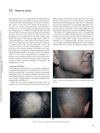 April 2012 in “Informa Healthcare eBooks”
 Alopecia areata is a common autoimmune condition causing varying hair loss, diagnosed by specific patterns of inflammation around hair follicles, with several treatment options available.
 March 2012 in “Journal of the American Academy of Dermatology”
 Treating ovarian-related inflammation may help hair regrowth in women with alopecia areata.
 January 2012 in “Yearbook of Dermatology and Dermatologic Surgery”
 Alopecia areata is a hair loss condition that often starts before age 30 and can affect various body parts, with unpredictable hair regrowth chances.
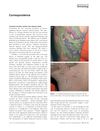 June 2011 in “International Journal of Dermatology”
 A man's red tattoo caused a skin reaction and hair loss in his beard, which improved after treatment.
May 2011 in “Harper's Textbook of Pediatric Dermatology” Alopecia areata causes patchy hair loss and has no cure, but treatments like corticosteroids and minoxidil can help.
April 2011 in “Medical Journal of Tabriz University of Medical Sciences and Health Services” Many patients with Alopecia Areata have underlying autoimmune disorders, especially thyroid issues.
January 2011 in “Repository KITopen (Karlsruhe Institute of Technology)” Blocking certain proteins on immune cells may help treat alopecia areata.
August 2009 in “Belarusian State Pedagogical University repository (Belarusian State Pedagogical University)” Alopecia areata in children is often linked to genetics, autoimmune issues, and stress, and is treated with corticoids or PUVA therapy.
January 2009 in “Beijing Medical Journal” Combined therapy effectively improved severe alopecia areata in all patients after 6 months.
 June 2006 in “Almustansiriya journal of pharmaceutical sciences/Al-Mustansiriyah journal of pharmaceutical sciences”
 Melatonin may help reduce the needed dose of prednisolone and improve hair growth in alopecia areata patients.
Alopecia areata is an autoimmune disease that targets hair follicles.
Alopecia areata often starts around age 23, can be permanent in 30% of cases, and treatments are usually temporary.
December 2022 in “International journal of research publications” Herbal medicine might be a good alternative for treating hair loss.
August 2021 in “The journal of investigative dermatology/Journal of investigative dermatology” TAGX-0003 protected hair follicles and reversed alopecia areata in a mouse model.
1 citations
,
April 2018 in “Journal of Investigative Dermatology” Simvastatin helps hair regrowth in autoimmune alopecia by directly affecting T cells.
 295 citations
,
May 2016 in “Journal of the American Academy of Dermatology”
295 citations
,
May 2016 in “Journal of the American Academy of Dermatology” Alopecia areata, a common autoimmune hair loss condition, often runs in families.
 41 citations
,
February 2001 in “Current pharmaceutical design”
41 citations
,
February 2001 in “Current pharmaceutical design” Current and future treatments for alopecia areata focus on immunosuppression, immunomodulation, and protecting hair follicles.
 4 citations
,
September 2017 in “Skin appendage disorders”
4 citations
,
September 2017 in “Skin appendage disorders” The dog with an Alopecia Areata-like condition showed signs of an autoimmune disease and partially regrew hair without treatment, suggesting dogs could be models for human AA research.

Nail involvement is common in children with long-term alopecia areata, regardless of scalp severity.

Nail changes in kids with stubborn alopecia areata often happen with longer illness but aren't linked to how much hair is lost.
 March 2005 in “Journal of the American Academy of Dermatology”
 Bexarotene 1% topical gel helped some patients with alopecia areata regrow hair.
 June 2026 in “American Journal of Dermatopathology”
 Regulatory T cells play a key role in different types of hair loss.
 March 2026 in “Frontiers in Medicine”
 Different types of alopecia cause hair loss due to immune system issues, with some allowing regrowth and others causing permanent loss.
 51 citations
,
January 2014 in “Pediatric Clinics of North America”
51 citations
,
January 2014 in “Pediatric Clinics of North America” The guide explains how to identify and treat children's hair loss, including fungal infections, autoimmune disorders, hairstyle changes, self-correcting conditions, and behavioral therapy for hair-pulling.
 170 citations
,
December 2009 in “Histopathology”
170 citations
,
December 2009 in “Histopathology” The conclusion is that accurate diagnosis of different types of hair loss requires good teamwork between skin doctors and lab experts.
 April 2026 in “International Journal of Drug Delivery Technology”
 Alopecia can often be managed effectively with various treatments, but early diagnosis is crucial for preventing permanent hair loss.
 October 2025 in “Dermatology Practical & Conceptual”
 Psoriasis patients are more likely to develop alopecia areata due to complex autoimmune interactions.
 May 2023 in “Sučasna pedìatrìâ. Ukraïna”
 An 11-year-old child with total hair loss may have a genetic autoimmune disease, and the outlook for hair regrowth is not good.