 June 2024 in “Military medicine”
 JAK inhibitors like baricitinib and ritlecitinib are effective new treatments for severe alopecia areata.
 April 2024 in “Medical & clinical research”
 More research is needed to find the best long-term treatments for Alopecia Areata.
 April 2024 in “International Journal of Research Publication and Reviews”
 Alopecia areata causes hair loss with varied treatment responses and frequent relapses.
March 2024 in “International Seven Journal of Health Research” Alopecia areata in children causes hair loss and needs a personalized treatment plan with medical and emotional support.
 February 2024 in “The Open dermatology journal”
 Alopecia Areata affects people of all ages worldwide, is likely caused by genetic and environmental factors, and can lead to stress and depression, highlighting the need for treatments that address both physical and mental health.
 January 2024 in “Sanjeevani Darshan National Journal of Ayurveda & Yoga”
 The treatment may help regrow hair in Alopecia Areata.
January 2024 in “Journal of Biosciences and Medicines” More research is needed to understand genetic causes and create better treatments for alopecia areata.
July 2023 in “Nature Immunology” CD8+ virtual memory T cells may cause hair loss in alopecia areata.
 June 2023 in “Dermatology and therapy”
 The Middle East and Africa need better data, treatment consensus, and support for Alopecia Areata.
May 2023 in “The Journal of Immunology” Expanding CD4+ Tregs can stop hair loss in alopecia areata.
 April 2023 in “International Journal of Research in Dermatology”
 Baricitinib is a promising treatment for severe alopecia areata with minimal side effects.
 April 2023 in “Medizinische Genetik”
 New research has found 14 genes linked to the risk of developing alopecia areata, improving understanding and treatment options.
 January 2023 in “International Journal of Homoeopathic Sciences”
 Homoeopathic treatment may help restore hair in Alopecia Areata by balancing the immune system.
 December 2022 in “Rossijskij žurnal kožnyh i veneričeskih boleznej”
 New treatments for child hair loss due to immune issues are effective but not yet officially approved.
 November 2022 in “Journal of Education, Health and Sport”
 The skin's bacteria might influence the development of a hair loss condition called alopecia areata.
Screening for iron levels in patients with hair loss may help find a genetic iron overload condition early.
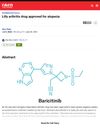 June 2022 in “C&EN global enterprise”
 The drug Olumiant is now approved to treat severe hair loss from alopecia and can also be used for some hospitalized COVID-19 patients.
 March 2022 in “Research Square (Research Square)”
 A girl with severe hair loss saw hair regrowth after using cannabis.
October 2021 in “Book Publisher International (a part of SCIENCEDOMAIN International)” The combination therapy of microdermabrasion and steroid injections is more effective for treating scalp Alopecia Areata than steroid injections alone.
 August 2021 in “Revista Colombiana de Reumatología/Revista Colombiana de Reumatologia”
 Janus kinase inhibitors may effectively treat severe alopecia areata unresponsive to other treatments.
Alopecia Areata has no cure, treatments are limited, and the condition often recurs, but new therapies like JAK inhibitors show promise.
 February 2021 in “Journal of pharmaceutical and biological sciences”
 No cure exists for alopecia areata, and treatments are personalized.
 March 2020 in “Faculty Opinions – Post-Publication Peer Review of the Biomedical Literature”
 Combining nonablative fractional laser with minoxidil was effective for alopecia areata with only one patient relapsing after a year.
 February 2020 in “Our Dermatology Online”
 A synthetic drug and a South American herb may help treat alopecia areata in Chinese men.
August 2019 in “Journal of the American Academy of Dermatology” Tofacitinib may help hair regrowth in alopecia areata, but more research is needed.
 July 2019 in “International journal of dermatology, venereology and leprosy sciences”
 Oral cyclosporine works better than betamethasone minipulse therapy for treating Alopecia Areata.
 February 2017 in “Medicina cutánea ibero-latino-americana”
 An 8-year-old boy with hair loss had hair regrowth and responded well to clobetasol propionate treatment.
Some vaccines, like the hepatitis B vaccine, might be linked to the hair loss condition Alopecia Areata, but more research is needed.
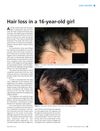 November 2014 in “Prescriber”
 The 16-year-old girl with hair loss was successfully treated for alopecia areata, leading to significant hair regrowth.
 April 2012 in “Informa Healthcare eBooks”
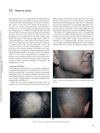
 Alopecia areata is a common autoimmune condition causing varying hair loss, diagnosed by specific patterns of inflammation around hair follicles, with several treatment options available.