 1 citations
,
January 2000 in “Springer eBooks”
1 citations
,
January 2000 in “Springer eBooks” Pregnancy can cause various skin changes and diseases, requiring careful treatment to protect the baby.
 1 citations
,
February 1988 in “The BMJ”
1 citations
,
February 1988 in “The BMJ” The document explains different hair and scalp conditions, including common hair loss after pregnancy or illness, drug-induced hair loss, hereditary excessive hair growth, patterned baldness, autoimmune hair loss, and permanent loss due to skin disease, with generally limited treatment options.
 June 2026 in “Kerala Journal of Ayurveda”
 Ayurvedic treatment successfully restored hair in a child with Alopecia Areata.
 April 2026 in “International Journal of Drug Delivery Technology”
 Alopecia can often be managed effectively with various treatments, but early diagnosis is crucial for preventing permanent hair loss.
 January 2026 in “Forum Dermatologicum”
 JAK inhibitors and combination therapies show promise for treating severe alopecia areata.
 December 2025 in “International Journal of Research in Ayurveda and Pharmacy”
 Ayurvedic treatment successfully regrew hair in a 19-year-old with alopecia areata in 2 months.
 November 2025 in “Frontiers in Immunology”
 Immune cells are crucial for normal skin development and their dysfunction can cause skin disorders.
 November 2025 in “International Journal of Recent Innovations in Medicine and Clinical Research”
 Understanding different types of hair loss helps in accurate diagnosis and treatment.
 October 2025 in “Dermatology Practical & Conceptual”
 Psoriasis patients are more likely to develop alopecia areata due to complex autoimmune interactions.
 August 2025 in “Scientific Electronic library online (Sciences Carlos III Health Institute)”
 Tofacitinib can help regrow hair in about 50% of people with moderate-severe alopecia areata.
 July 2025 in “Scientific Reports”
 Pioglitazone, Trimipramine, and Dimetindene may be repurposed to treat psoriasis.
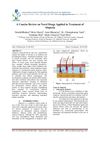
New therapies like JAK inhibitors, PRP, and stem cell treatments show promise for better alopecia management.
 September 2024 in “Cureus”
 Removing breast implants resolved the patient's symptoms.
 September 2024 in “Drugs & Therapy Perspectives”
 Ritlecitinib effectively regrows hair in severe alopecia areata and is well tolerated.
 May 2024 in “IP International Journal of Periodontology and Implantology”
 Treating gum disease and stress may help improve alopecia.
 February 2024 in “International neuropsychiatric disease journal”
 Alopecia areata severely impacts quality of life, mental health, and work productivity.
 January 2024 in “Deleted Journal”
 Essential oils may help hair health but lack strong scientific proof and can cause allergic reactions.
 December 2023 in “Research Square (Research Square)”
 These specific gene polymorphisms are not linked to Alopecia Areata in Egyptians.
 July 2023 in “The Egyptian Journal of Hospital Medicine ”
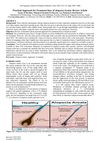
 The conclusion is that emotional support and a variety of treatments are important for alopecia areata, but more research is needed.
May 2023 in “Indian Journal of Dermatology” BCG site reactions after COVID-19 mRNA vaccination are mild, temporary, and likely under-reported.
 January 2023 in “International Journal of Pharmaceutical Research and Development”
 Nanotechnology therapies can help improve quality of life for those with hair loss.
 January 2023 in “Open veterinary journal”
 A cat developed skin problems from a certain brand of injected water pills, which went away after switching brands.
 July 2022 in “medRxiv (Cold Spring Harbor Laboratory)”
 Satoyoshi syndrome is likely an autoimmune disease that mainly affects young women and improves with immune-related treatments.
 July 2021 in “Clinical case reports and studies”
 Topical diphencyprone effectively treated a 9-year-old boy's alopecia areata with fewer side effects.
 February 2021 in “Journal of pharmaceutical and biological sciences”
 No cure exists for alopecia areata, and treatments are personalized.
 January 2021 in “Middle East journal of applied sciences”
 Over 30% of livestock in New Valley Governorate, Egypt, had skin diseases, affecting their productivity and income.
 July 2020 in “Scholarly Journal of Psychology and Behavioral Sciences”
 The pandemic highlighted the need for accurate information, vaccine development, and adapting to new routines while managing stress and misinformation.
 February 2020 in “Our Dermatology Online”
 A synthetic drug and a South American herb may help treat alopecia areata in Chinese men.
 July 2018 in “Elsevier eBooks”
 Lichen Planopilaris is a hair loss condition best treated early with various medications, including hydroxychloroquine, to prevent permanent baldness.
 April 2018 in “bioRxiv (Cold Spring Harbor Laboratory)”
 A gene variant causes patched hair loss in mice, similar to alopecia areata in humans.