 3 citations
,
May 2019 in “Australasian Journal of Dermatology”
3 citations
,
May 2019 in “Australasian Journal of Dermatology” Hair loss in Cronkhite-Canada syndrome may be caused by autoimmune factors, not just stress or malabsorption.
1 citations
,
June 2016 in “FEBS open bio” Fish oil increased cell growth and macrophages in the skin but didn't affect COX-2 expression.
 April 2026 in “Boletín Médico Del Hospital Infantil de México (English Edition)”
 Most kids with alopecia areata have other health issues, often allergies or skin conditions.
 October 2025 in “Journal of Skin and Sexually Transmitted Diseases”
 Alopecia areata patients often have undetected thyroid issues, so routine thyroid screening is recommended.
July 2024 in “JAAD Case Reports” Autoimmune diseases can change hair texture, but treatment can restore it.

A 9-year-old girl developed type 1 diabetes and alopecia after being treated for a rare kidney disease.
6 citations
,
September 2024 in “Journal of Clinical Medicine” Thyroid and skin autoimmune diseases share genetic and immune links, affecting both tissues.
 November 2025 in “Frontiers in Immunology”
 Immune cells are crucial for normal skin development and their dysfunction can cause skin disorders.
 August 2025 in “Frontiers in Immunology”
 Bullous pemphigoid, intrahepatic cholangiocarcinoma, and alopecia areata may share immune-related causes.
 January 2025 in “International Journal of Dermatology Venereology and Leprosy Sciences”
 Current treatments for alopecia areata can help hair grow but don't cure the disease.
 August 2024 in “Bioscience of Microbiota Food and Health”
 Microbes might play a role in vitiligo.
 May 2024 in “IP International Journal of Periodontology and Implantology”
 Treating gum disease and stress may help improve alopecia.
July 2019 in “Dermatology practical & conceptual” The study found that alopecia areata is strongly linked to autoimmune diseases and may indicate a genetic predisposition to such conditions.
 February 2008 in “Experimental dermatology”
 Oxidative stress plays a significant role in vitiligo, and both skin and non-skin cells may be involved.
 391 citations
,
January 2010 in “Journal of The American Academy of Dermatology”
391 citations
,
January 2010 in “Journal of The American Academy of Dermatology” Half of people with Alopecia Areata may see hair regrowth within a year without treatment, but recovery is unpredictable.
 110 citations
,
July 2017 in “Immunology”
110 citations
,
July 2017 in “Immunology” Skin's Regulatory T cells are crucial for maintaining skin health and could be targeted to treat immune-related skin diseases and cancer.
88 citations
,
August 2019 in “Frontiers in immunology” Tyrosine kinases are important in skin autoimmune diseases and could be targets for new treatments.
 61 citations
,
September 2010 in “Genomics”
61 citations
,
September 2010 in “Genomics” The study found that immune responses disrupt hair growth cycles, causing hair loss in alopecia areata.
50 citations
,
December 2005 in “European Journal of Immunology” RXRα is crucial for proper immune response and links diet to immune function.
 48 citations
,
January 2011 in “Hormone Research in Paediatrics”
48 citations
,
January 2011 in “Hormone Research in Paediatrics” The conclusion is that genetic changes in the glucocorticoid receptor can lead to conditions affecting stress response, immunity, and metabolism, requiring personalized treatment.
 45 citations
,
December 2014 in “Journal of the European Academy of Dermatology and Venereology”
45 citations
,
December 2014 in “Journal of the European Academy of Dermatology and Venereology” Plasmacytoid dendritic cells are a key factor in causing hair loss in alopecia areata and could help differentiate it from other hair loss conditions.
 43 citations
,
June 2018 in “Clinics in dermatology”
43 citations
,
June 2018 in “Clinics in dermatology” People with atopic dermatitis are more likely to develop other skin conditions due to shared genetics and immune pathways.
 30 citations
,
October 2016 in “Current research in translational medicine”
30 citations
,
October 2016 in “Current research in translational medicine” Hair follicles on the scalp interact with and respond to the nervous system, influencing their own behavior and growth.
 30 citations
,
October 2012 in “Current Opinion in Endocrinology, Diabetes and Obesity”
30 citations
,
October 2012 in “Current Opinion in Endocrinology, Diabetes and Obesity” Thyroid hormones are important for skin health and might help treat skin diseases, but more research is needed to understand their effects fully.
 23 citations
,
April 1993 in “Gastroenterology”
23 citations
,
April 1993 in “Gastroenterology” A mother and son both had ulcerative colitis and alopecia, suggesting a genetic link in autoimmune disorders and successful treatment with cyclosporine.
 21 citations
,
February 2012 in “Journal of the European Academy of Dermatology and Venereology”
21 citations
,
February 2012 in “Journal of the European Academy of Dermatology and Venereology” Late-onset alopecia areata in Taiwanese patients is more common in women, usually starts at age 57, often involves less than 10% hair loss, and may have a minimal link to thyroid issues.
14 citations
,
September 2021 in “Journal of Inflammation Research” Alopecia areata patients, especially women with nail issues or atopic diseases, are at higher risk for other autoimmune diseases.
 14 citations
,
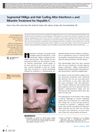
January 2006 in “Skinmed”
14 citations
,
January 2006 in “Skinmed” A woman developed white patches on her skin and curly hair after hepatitis C treatment, likely due to the medication interferon alpha.
 11 citations
,
August 2012 in “Canadian journal of ophthalmology”
11 citations
,
August 2012 in “Canadian journal of ophthalmology” Eyelash alopecia areata often goes undiagnosed and can lead to complete eyelash regrowth, especially in younger patients.
 5 citations
,
May 2023 in “Frontiers in immunology”
5 citations
,
May 2023 in “Frontiers in immunology” Environmental factors like diet and vitamin levels, especially Vitamin D, can affect autoimmune diseases differently, with lifestyle changes potentially improving outcomes.