 4 citations
,
September 2016 in “PubMed”
4 citations
,
September 2016 in “PubMed” Using platelet-rich fibrin matrix with hair transplant techniques helps in hair regrowth in male baldness patients.
 4 citations
,
November 2011 in “Archives of Dermatology”
4 citations
,
November 2011 in “Archives of Dermatology” Hamilton scale imprecise, hair shaft diameter decreases, stem cell transplant regrows hair, ECP ineffective for alopecia areata universalis.
 3 citations
,
February 2023 in “International Journal of Molecular Sciences”
3 citations
,
February 2023 in “International Journal of Molecular Sciences” Autologous Platelet and Extracellular Vesicle-Rich Plasma (PVRP) has potential in enhancing tissue regeneration and improving hair conditions, but its effectiveness varies due to individual differences.
 3 citations
,
December 2018 in “International Journal of Biomedicine”
3 citations
,
December 2018 in “International Journal of Biomedicine” Platelet rich plasma therapy significantly improves hair growth and increases the number of hair follicles in men with androgenetic alopecia.
 1 citations
,
January 2019 in “The International Journal of Lower Extremity Wounds”
1 citations
,
January 2019 in “The International Journal of Lower Extremity Wounds” Artificial dermal template treatment can stimulate complete skin and hair follicle regrowth.
 1 citations
,
January 2014 in “Journal of Cutaneous and Aesthetic Surgery”
1 citations
,
January 2014 in “Journal of Cutaneous and Aesthetic Surgery” Regenerative medicine shows promise for aesthetic surgery, but needs more research for widespread use.
 May 2026 in “International Journal of Drug Delivery Technology”
 PRP therapy shows promise for tissue repair but needs personalized approaches and faces challenges like quality variability and side effects.
 June 2025 in “Theranostics”
 Rapamycin-primed exosomes can significantly boost hair regrowth.
 August 2024 in “Scholars Journal of Applied Medical Sciences”
 Combining PRP therapy with minoxidil is the most effective treatment for hair loss in men.
 July 2024 in “Periodontology 2000”
 Autologous platelet concentrates show promise in esthetic treatments but need more standardized research.
 June 2024 in “Дерматовенерология Косметология”
 Autologous follicular stem cells improved hair loss in 57% of patients.
 August 2023 in “Scientific reports”
 Human stem cells were turned into cells similar to those that help grow hair and showed potential for hair follicle formation.
 August 2023 in “Dermatologic Surgery”
 Wounding may stimulate hair growth, but more research is needed to confirm the safety and effectiveness of related treatments.
 May 2023 in “Stem cell research & therapy”
 New method efficiently isolates hair growth cells from newborn mouse skin.

Platelet-rich plasma therapy might help treat some kinds of hair loss.
Extracellular vesicles could help treat hair loss by influencing hair growth cycles.
 June 2021 in “Experimental and Therapeutic Medicine”
 MEF/KSF-conditioned medium effectively grows mouse hair follicle stem cells with bone-forming potential.
January 2021 in “Faculty of 1000 Research Ltd” The treatment showed promising hair growth results but needs more research.
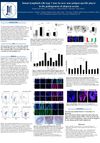
Innate lymphoid cells type 1 may contribute to alopecia areata by damaging hair follicles.
Platelet-rich plasma helps human hair cells grow and survive better.
 December 2012 in “Journal of undergraduate research in Alberta”
 Elongating cilia boosts SKP stem cell renewal, especially with PDGF.
 February 2011 in “Journal of Investigative Dermatology”
 New findings suggest targeting IL-23 could treat psoriasis, skin cells can adapt to new roles, direct conversion of skin cells to blood cells may aid cell therapy, removing certain tumor cells could boost cancer immunotherapy, and melanoma may have many tumorigenic cells, not just cancer stem cells.
 May 2022 in “Acta scientific dental sciences”
 Platelet concentrates are useful for tissue repair in medicine and dentistry, with L-PRF showing promising results in various treatments.
 July 2014 in “Plastic and Reconstructive Surgery”
 The document concludes that rib-sparing techniques in breast reconstruction have limited benefits, sentinel lymph node biopsy is needed for desmoplastic melanoma, certain hair preservation methods improve graft survival, partial turbinectomy effectively reduces nasal obstruction, nipple shields with irrigation may reduce capsular contracture, and thicker malignant melanomas have a higher risk of non-skin cancers.
 July 2014 in “Plastic and Reconstructive Surgery”
 The document concludes that rib-sparing techniques in breast reconstruction have limited benefits, sentinel lymph node biopsy is needed for desmoplastic melanoma, certain hair preservation methods improve graft survival, partial turbinectomy effectively reduces nasal obstruction, nipple shields with irrigation may reduce capsular contracture, and thicker malignant melanomas have a higher risk of non-skin cancers.
 February 2023 in “Journal of Advanced Research”
 A new method using Platelet-rich Plasma (PRP) in a microneedle can promote hair regrowth more efficiently and is painless, minimally invasive, and affordable.
May 2021 in “F1000Research” The treatment led to denser, thicker hair growth and less hair loss.
Combining PRP with a special lotion is more effective for hair loss than PRP alone.
 January 2025 in “Journal of Plastic Reconstructive & Aesthetic Surgery”
 Two L-PRP treatments improve hair density in mild to moderate alopecia.
1 citations
,
September 2024 in “iScience” Disrupted sleep patterns from artificial light can slow hair growth and may lead to hair loss.