Search
for
Sort by
Research
660-690 / 1000+ results
research Stepwise acquisition of unique epigenetic signatures during differentiation of tissue Treg cells
Tissue environment greatly affects the unique epigenetic makeup of regulatory T cells, which could impact autoimmune disease treatment.
research Towards cell-based therapy of alopecia areata: Autologous human Vδ2+ Foxp3+ γδTreg cells restore hair-follicle immune privilege and promote hair regrowth in human alopecia areata models ex vivo and in vivo
Special cells can help regrow hair in alopecia areata.

research Altered expression of intracellular Toll-like receptors in peripheral blood mononuclear cells from patients with alopecia areata
Increased Toll-like receptors in blood cells may contribute to alopecia areata and could be a target for new treatments.

research Distinctive T Cell Patterns Defining Lymphocytic Alopecia and Alternate Autoimmune and Stem Cell Pathways, Linked to Pleiotropic Functions of Regulatory T Cells Within iSALT
Regulatory T cells play a key role in different types of hair loss.

research The potential of regulatory T cell-based therapies for alopecia areata
Treg cell-based therapies might help treat hair loss from alopecia areata, but more research is needed to confirm safety and effectiveness.
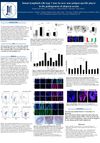
research Innate lymphoid cells type 1 may be new, non-antigen-specific player in the pathogenesis of alopecia areata
Innate lymphoid cells type 1 may contribute to alopecia areata by damaging hair follicles.

research Epidermal γδ T cells, CD8 T cells and macrophages are increased in number in alopecia areata and express BST2 as part of an interferon-driven antiviral gene signature
In alopecia areata, certain immune cells increase and express a protein linked to immune activation.
research 307 Computer-assisted epitope prediction revealed potential autoantigens associated with human alopecia areata
Melanogenesis-related proteins may trigger immune responses in alopecia areata patients.
research 083 More Expression of IL-17 than IFN-γ from CD49a-negative Tissue-Resident Memory T (Trm) cells at the Hair Bulge and Hair Bulb Region in the Scalp of Chronic Alopecia Areata Patients according to the Foxp3+mTregs depletion
IL-17 and certain immune cells are linked to more severe alopecia areata.
research Regulatory T‐cells in alopecia areata
People with alopecia areata have fewer regulatory T-cells than those with other skin conditions.
research Hair follicle–derived IL-7 and IL-15 mediate skin-resident memory T cell homeostasis and lymphoma
Hair follicle-derived IL-7 and IL-15 are crucial for maintaining skin-resident memory T cells and could be targeted for treating skin diseases and lymphoma.

research Halo naevi, vitiligo and diffuse alopecia areata associated with tocilizumab therapy
Tocilizumab therapy may cause skin and hair conditions like halo naevi, vitiligo, and alopecia areata.
research Genome-wide association study in alopecia areata implicates both innate and adaptive immunity
Alopecia areata involves both innate and adaptive immunity, with specific genes linked to the disease.

research Immune-Mediated Skin Reactions Induced by Recombinant Antibodies and Other TNF-Alpha Inhibitors
TNF-alpha inhibitors can cause various immune-related skin issues.
research Increased blood levels of NKG2D+CD4+ T cells in patients with alopecia areata
NKG2D+CD4+ T cells are higher in alopecia areata patients and may be involved in the disease.

research iNKT cells ameliorate human autoimmunity: Lessons from alopecia areata
iNKT cells can help prevent and treat alopecia areata by promoting hair regrowth.
research Impaired responses of peripheral blood mononuclear cells to T-cell stimulants in alopecia areata patients with a poor response to topical immunotherapy
Poor response to topical immunotherapy in alopecia areata patients is linked to impaired cell responses.
research Direct cellular reprogramming enables development of viral T antigen–driven Merkel cell carcinoma in mice
Scientists made a mouse model of a serious skin cancer by changing skin cells with a virus and a specific gene, which is similar to the disease in humans.
research CD4+ Treg expansion arrests disease progression in a pre-clinical model of alopecia areata
Expanding CD4+ Tregs can stop hair loss in alopecia areata.
research MẤT CÂN BẰNG GIỮA TẾ BÀO T ĐIỀU HÒA VÀ TẾ BÀO T GÂY ĐỘC TẾ BÀO TRONG RỤNG TÓC TỪNG MẢNG: KHI ĐẶC QUYỀN MIỄN DỊCH SỤP ĐỔ
Imbalance in immune cells causes hair loss in alopecia areata.
research A kindred with mutant IKAROS and autoimmunity
A mutation in the IKZF1 gene causes immune system overactivity, linked to autoimmune diseases like lupus.
research Human dermal Vδ1 + T-cells recognize “stressed” HFs and may induce alopecia areata
Certain immune cells may cause hair loss by reacting to stressed hair follicles.
research T Cells Promote Distinct Transcriptional Programs of Cutaneous Inflammatory Disease in Keratinocytes and Dermal Fibroblasts
T cells affect skin cell genes in inflammatory diseases, and therapy can normalize these changes.
research IL-15 in T-Cell Responses and Immunopathogenesis
IL-15 is key for T cell function and could help improve treatments for immune-related diseases.
research Sequential Immunotherapy with Tofacitinib and Low-Dose IL-2 Induces Sustained Remission in Alopecia Areata: A Proof-of-concept monocentric study
Tofacitinib and low-dose IL-2 may help maintain hair regrowth in alopecia areata without ongoing treatment.

research 035 Expansion of bacterial phosphatidylglycerol reactive CD4+ T cells in atopic dermatitis
People with atopic dermatitis have more CD4+ T cells that respond to a certain bacterial lipid, which may play a role in the skin condition's inflammation.
research Pathogenic CD8+ T cells target K71+ Henle’s layer by forming cytolytic immune synapses in Alopecia Areata
research 165 Single-cell RNA sequencing analysis unveils highly active yet diminished CD14+CD16- circulating monocytes, independent of alopecia areata severity
Highly active but fewer CD14+CD16- monocytes are found in Alopecia Areata patients, regardless of severity.
research Skin-infiltrating CD4+ lymphoma cells depend on hair follicle-derived IL-7
Hair follicles produce IL-7, which is essential for certain skin lymphoma cells to survive.