1 citations
,
April 2016 in “Journal of Investigative Dermatology” Targeting specific T cells may help treat alopecia areata.
 January 2021 in “American journal of dermatological research and reviews”
 The muscle damage was caused by T-cell large granular lymphocytic leukemia, not dermatomyositis.
July 2026 in “The Journal of Immunology” Tacrolimus effectively promotes hair regrowth in an alopecia areata mouse model.
ILC1-like cells may contribute to hair loss in alopecia areata and could be new treatment targets.
 February 2024 in “bioRxiv (Cold Spring Harbor Laboratory)”
 Activating TLR9 helps heal large wounds and regrow hair by involving a specific type of immune cell.
November 2022 in “Journal of Investigative Dermatology” Cell-based therapy using specific immune cells may help treat alopecia areata by promoting hair regrowth.
April 2023 in “Journal of Investigative Dermatology” Contact immunotherapy can change immune responses in alopecia areata, suggesting new treatment targets.
 January 2024 in “Elsevier eBooks”
 Increasing regulatory T cells may help treat alopecia areata by reducing autoimmunity and promoting hair growth.
 62 citations
,
June 2015 in “The Journal of Dermatology”
62 citations
,
June 2015 in “The Journal of Dermatology” People with alopecia areata have more Th17 cells and fewer Treg cells, which may be key to the condition's development.

Donor lymphocyte infusions effectively treated leukemia relapse but caused vitiligo and alopecia areata.
 February 2011 in “Journal of Investigative Dermatology”
 New findings suggest targeting IL-23 could treat psoriasis, skin cells can adapt to new roles, direct conversion of skin cells to blood cells may aid cell therapy, removing certain tumor cells could boost cancer immunotherapy, and melanoma may have many tumorigenic cells, not just cancer stem cells.
8 citations
,
August 2016 in “Journal of the European Academy of Dermatology and Venereology” Oral tacrolimus helped a rheumatoid arthritis patient regrow hair lost due to alopecia areata.
 December 2022 in “KSBB Journal”
 Activating TLR3 boosts autophagy gene expression in skin cells.
July 2025 in “Journal of Investigative Dermatology” Ritlecitinib reduces alopecia areata symptoms by blocking JAK3/TEC signaling and T-cell activity.
July 2026 in “Frontiers in Immunology” Epidermal resident memory T cells play a crucial role in skin immunity and disease understanding.
2 citations
,
March 2025 in “Journal of Translational Autoimmunity” Targeting the AhR pathway may help treat alopecia areata.
26 citations
,
May 2020 in “JCI Insight” Alopecia areata involves specific immune cells, offering potential treatment targets.
September 2025 in “Journal of the American Academy of Dermatology” Ritlecitinib may help treat alopecia areata by protecting hair follicles.
 January 2012 in “heiDOK (Heidelberg University)”
 Dormant melanoma cells in mice interact minimally with memory T cells due to a suppressive tumor environment.
25 citations
,
May 2017 in “InTech eBooks” Catalytic antibodies are early indicators and active participants in the development of systemic lupus erythematosus.
July 2024 in “Journal of Investigative Dermatology”  1 citations
,
April 2019 in “The journal of investigative dermatology/Journal of investigative dermatology”
1 citations
,
April 2019 in “The journal of investigative dermatology/Journal of investigative dermatology” Melanocyte-associated antigens may play a key role in alopecia areata and could be targets for new treatments.
November 2025 in “Journal of Investigative Dermatology” Ritlecitinib effectively treats severe Alopecia Areata by reducing harmful immune activity in the skin.
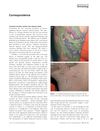 June 2011 in “International Journal of Dermatology”
 A man's red tattoo caused a skin reaction and hair loss in his beard, which improved after treatment.
1 citations
,
December 2021 Cats likely have a reactive skin condition, while dogs may have a more complex, possibly cancerous one.
 March 2026 in “European journal of ecology, biology and agriculture.”
 Patients with alopecia areata have higher levels of certain immune markers, suggesting new treatment targets.
6 citations
,
January 2022 in “Veterinary Sciences” Feline cutaneous lymphocytosis is likely reactive, while canine cutaneous lymphocytosis needs more study to understand its nature.
16 citations
,
December 2015 in “Journal of Investigative Dermatology” Alopecia areata involves persistent gene abnormalities and immune activity, even in regrown hair, suggesting a risk of relapse.
 123 citations
,
September 1987 in “JAMA”
123 citations
,
September 1987 in “JAMA” IL-2 treatment causes skin eruptions and other reversible side effects, and may play a role in psoriasis.
39 citations
,
April 2019 in “The journal of immunology/The Journal of immunology” Malt1 protease is essential for regulatory T cell function and could be targeted to boost antitumor immunity.