23 citations
,
September 2020 in “Journal of Dermatological Science” Targeting Vδ1+T-cells may help treat alopecia areata.
 48 citations
,
November 2017 in “Journal of the American Academy of Dermatology”
48 citations
,
November 2017 in “Journal of the American Academy of Dermatology” Tofacitinib 2% ointment helped hair regrow in 3 out of 10 patients with alopecia areata, but caused side effects like scalp irritation and raised cholesterol in some.
 August 2013 in “Nature Reviews Drug Discovery”
 New cancer treatments show promise in reducing tumor growth and improving skin regeneration in mice.
1 citations
,
July 2024 in “Journal of Cosmetic Dermatology” Botulinum toxin use in dermatology is evolving, with new research trends emerging.
 12 citations
,
August 2018 in “Journal of Dermatological Science”
12 citations
,
August 2018 in “Journal of Dermatological Science” Scientists made stem cells that can grow hair by adding three specific factors to them.
10 citations
,
August 2020 in “Acta histochemica” All-trans-retinoic acid stops mink hair growth by affecting cell growth and causing cell death.
2 citations
,
September 2024 in “PLoS ONE” Bendamustine combined with tucidinostat may effectively treat adult T-cell leukemia.
December 2023 in “Journal of Investigative Dermatology” A specific type of immune cell plays a key role in causing alopecia areata and could be a target for treatment.
91 citations
,
July 2004 in “Journal of Biological Chemistry” Overexpressing SSAT enzyme reduces prostate tumor growth in mice.
 December 2022 in “Revista Medicina Cutánea Ibero-Latino-Americana”
 JAK inhibitors help treat alopecia areata but have high recurrence after stopping.
January 2026 in “Experimental Dermatology” Skin-resident memory T cells may contribute to chronic alopecia areata and baricitinib could be a potential treatment.
November 2015 in “The journal of investigative dermatology. Symposium proceedings/The Journal of investigative dermatology symposium proceedings” Alopecia areata is now understood to be driven by genetic and immune factors.
 January 2017 in “Brazilian Journal of Pharmaceutical Sciences”
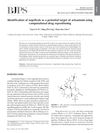
 Arteannuin might work against cancer and Alzheimer's by targeting neprilysin.
 October 2021 in “Dermatology Reports”
 Tofacitinib, a hair regrowth treatment, may worsen acne.
 2 citations
,
April 2024 in “Advanced Materials”
2 citations
,
April 2024 in “Advanced Materials” A microneedle patch can help regrow hair by restoring immune balance in hair follicles.
1 citations
,
January 2016 in “Royal Devon and Exeter Research Repository (Royal Devon and Exeter)”  July 2025 in “Russian Journal of Clinical Dermatology and Venereology”
 Tofacitinib may help hair regrowth in familial alopecia areata with immune issues, but more research is needed.
April 2026 in “Clinical and Translational Science” Tofacitinib effectively treats severe alopecia areata, improving hair regrowth and patient satisfaction.
5 citations
,
June 2005 in “Journal of Clinical Oncology” PPX causes much less hair loss than traditional taxanes.
June 2026 in “American Journal of Dermatopathology” Regulatory T cells play a key role in different types of hair loss.
April 2017 in “Leukemia research” Tofacitinib helped most teenagers in the study regrow hair with mild side effects.
4 citations
,
May 2025 in “The Journal of Immunology” New treatments for atopic dermatitis and alopecia areata have been developed using a targeted approach.
1 citations
,
February 2025 in “Journal of the Neurological Sciences” Beta-trace protein may help diagnose and predict treatment response in certain nerve disorders.
July 2025 in “Ultrasound in Medicine & Biology” UTMD with diclofenac and Doxil® improves cancer treatment by boosting immune response and reducing tumor-supporting cells.
 50 citations
,
November 2010 in “Plastic and Reconstructive Surgery”
50 citations
,
November 2010 in “Plastic and Reconstructive Surgery” Botox increased hair count in men with baldness and might work by improving scalp blood flow.
73 citations
,
April 2006 in “BioTechniques” Protein microarrays are highly sensitive tools useful for disease diagnosis and studying proteins.
85 citations
,
January 1996 in “International Journal of Cancer” AS101 reduces hair loss from chemotherapy.
 2 citations
,
June 2026 in “Frontiers in Science”
2 citations
,
June 2026 in “Frontiers in Science” Regulatory T cells help control the immune system and could lead to new treatments for diseases.
51 citations
,
July 2003 in “Annals of the Rheumatic Diseases” Co-trimoxazole may help treat autoimmune diseases.
13 citations
,
August 1985 in “The Journal of Dermatology” HKN-2 antibody targets specific skin and hair cells, showing keratin complexity.