Search
for
Sort by
Research
750-780 / 1000+ results
research THE EFFECTS OF THE SYNTHETIC AND NATURAL HORMONE OF THE ADRENAL CORTEX ON MELANIN DEPOSITION IN ADRENALECTOMIZED BLACK RATS FED DIETS ADEQUATE AND DEFICIENT IN THE FILTRATE FACTORS OF VITAMIN B1
Synthetic hormone treatment reduces melanin and hair growth in rats.
research Adverse Effects of Low-dose Oral Minoxidil for Androgenetic Alopecia in 435 patients – Supplemental material
research A Retrospective Comparative Study of Two Concentrations of Intralesional Triamcinolone Acetonide in the Treatment of Patchy Alopecia Areata on the Scalp
Both concentrations of triamcinolone acetonide are equally effective and safe for treating patchy alopecia areata.
research Impact of Formulation Variables on Meloxicam spanlastics Preparation
Spanlastics are effective for delivering Meloxicam with improved stability and targeting.
research Kaempferol stimulates dermal papilla cells and upregulates Wnt/β-catenin signaling pathway for androgenetic alopecia treatment.
Kaempferol may help treat hair loss by promoting hair growth and protecting hair cells.
research Polymer conjugated retinoids for controlled transdermal delivery
A new method allows for controlled, long-lasting delivery of retinoic acid through the skin with fewer side effects.
research Taurine‐based Active Pharmaceutical Ingredient Ionic Liquids Modulate the Perifollicular Microenvironment for Androgenic Alopecia Treatment
A new taurine-based liquid can help treat hair loss by improving hair follicle health and promoting regrowth.
research 75202 Evaluation of the anti-dandruff and soothing effect of a hair conditioner containing 0.4% piroctone olamine and niacinamide
research Role of liposomal anthracyclines in the treatment of multiple myeloma
Liposomal anthracyclines are effective and safer for treating multiple myeloma, especially in elderly patients.
research Comparing minoxidil-finasteride mixed solution with minoxidil solution alone for male androgenetic alopecia: a systematic review and meta-analysis of randomized controlled trials
The minoxidil-finasteride combination is more effective for hair growth than minoxidil alone.

research The Extract of Periplaneta americana (L.) Promotes Hair Regrowth in Mice with Alopecia by Regulating the FOXO/PI3K/AKT Signaling Pathway and Skin Microbiota
Periplaneta americana extract helps hair regrowth in mice with alopecia.
research Antibacterials/corticosteroids/minoxidil
research Oral minoxidil treatment of alopecia areata
research Efficient scarless skin regeneration enabled by loading micronized amnion in a bioinspired adhesive wound dressing
A new hydrogel with micronized amnion helps achieve better, scar-free skin healing.
research Microemulsions as Solubilizers and Penetration Enhancers for Minoxidil Release from Gels
Microemulsions can improve minoxidil delivery and effectiveness for hair loss treatment.
research Roxithromycin antagonizes catagen induction in murine and human hair follicles: implication of topical roxithromycin as hair restoration reagent
Roxithromycin, an antibiotic, can increase hair growth and might be used as a treatment for hair loss.
research Cross-species amplification of human microsatellite markers in pig-tailed and stump-tailed macaques
Some human genetic markers work for genetic studies in pig-tailed and stump-tailed macaques, which can help in their conservation.
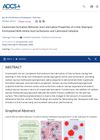
research Coacervate Formation Behavior and Lubrication Properties of a Hair Shampoo Formulated With Amino Acid Surfactants and Cationized Cellulose
Shampoos with sodium lauroyl methylaminopropionate improve hair lubrication and reduce irritation.
research Back cover
A new treatment using special microneedles and a nitric oxide-releasing drug could improve hair growth and be more convenient for people with hair loss.
research N6-methyladenosine RNA Methylation Correlates with Immune Microenvironment and Immunotherapy Response of Melanoma
Low m6Ascores in melanoma predict better survival and response to immunotherapy.
research Apremilast for extensive and treatment-resistant alopecia areata: a retrospective analysis of five patients
Apremilast showed mixed results for treating severe alopecia areata.
research Severe Refractory Scarring Alopecia Associated With Combinational Use of Ficlatuzumab (AV-299) and Gefitinib
Combining Ficlatuzumab and Gefitinib can cause severe hair loss.
research Activation of Hair Cell Growth Factors by Linoleic Acid in Malva verticillata Seed
Linoleic acid from Malva verticillata seeds may help treat hair loss by promoting hair cell growth and blocking baldness signals.
research Neomycin sulfate and triamcinolone acetonide suspended ointment designed for transdermal delivery: formulation and in vitro evaluation
The ointment effectively treats neurodermatitis and chronic eczema without causing skin irritation.
research Inverse micellar sugar glass (IMSG) nanoparticles for transfollicular vaccination
IMSG nanoparticles improve vaccine delivery and immune response through hair follicles.
research Improvement in Androgenetic Alopecia (Stage V) Using Topical Minoxidil in a Retinoid Vehicle and Oral Finasteride
Combination therapy improves hair growth in advanced hair loss.

research Investigating the potential mechanism of microneedling in alopecia areata mice based on 16S rRNA sequencing and metabolomics
Microneedling, especially with halometasone, improves hair regrowth and gut health in alopecia areata.

research Efficacy and tolerability of an oral supplement containing amino acids, iron, selenium, and marine hydrolyzed collagen in subjects with hair loss (androgenetic alopecia, AGA or FAGA or telogen effluvium). A prospective, randomized, 3‐month, controlled, assessor‐blinded study
The supplement with amino acids, iron, selenium, and marine hydrolyzed collagen improved hair growth more than drug treatment alone, with most people tolerating it well.
research Demonstration of photochemical grid model usage for ozone control assessment
Ingesting minoxidil can cause severe health issues, requiring urgent medical treatment.