 May 2023 in “International Journal of Trichology”
 Tofacitinib may be an effective and safe treatment for hair loss in teenagers with alopecia areata.
 January 2023 in “Archives of Disease in Childhood Education & Practice”
 Hirsutism in teens is often due to polycystic ovarian syndrome and needs careful assessment and support.
 January 2023 in “Journal of The American Academy of Dermatology”
 Baricitinib helped most teenagers with severe hair loss regrow hair and had mild side effects.
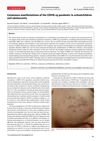 January 2023 in “Acta dermatovenerologica Alpina, Pannonica et Adriatica (Tiskana izd.)”
 The article concludes that schoolchildren and adolescents experienced various skin issues during the COVID-19 pandemic, including acne from masks and other skin reactions from the virus and vaccines.
 December 2022 in “Cureus”
 Adult women with acne in Iraq often have more severe symptoms and hormone-related issues than younger girls with acne.
 December 2019 in “Journal of pediatrics & neonatology”
 A 13-year-old boy had a rare, stable type of hair loss with little chance of regrowth, but treatment is available for looks.
 April 2019 in “University of Huddersfield Repository (University of Huddersfield)”
 Alopecia causes emotional distress, and better psychological support is needed.
 September 2018 in “Boletín médico del Hospital Infantil de México”
 Medical care for transgender youth should be individualized and supportive.
January 2016 in “Journal of Dr Behcet Uz Children s Hospital” Alopecia areata negatively affects family life, mental health, and quality of life in young people.
 August 2008 in “European Neuropsychopharmacology”
 Some teenagers with anorexia nervosa have worse cognitive abilities, especially in visual and spatial tasks, and this is more common in those with a lower body weight.
227 citations
,
April 2023 in “The Lancet” Ritlecitinib effectively treats alopecia areata and is well-tolerated.
 62 citations
,
March 2013 in “JAMA Dermatology”
62 citations
,
March 2013 in “JAMA Dermatology” Finasteride reduces Hidradenitis Suppurativa flare-ups in children and teens, but long-term safety is unknown.
 43 citations
,
March 2011 in “Journal of psychosomatic research”
43 citations
,
March 2011 in “Journal of psychosomatic research” Kids with alopecia areata may experience more stress but not necessarily feel more anxious or depressed than others.
42 citations
,
August 2022 in “Diagnostics” Diagnose PCOS in teens using irregular periods and high androgen levels, not ultrasound.
40 citations
,
September 2024 in “European Journal of Endocrinology” PCOS affects about 6.3% of teens globally, and ongoing checks are advised for those with irregular cycles or high androgen levels.
 36 citations
,
May 2017 in “The journal of sexual medicine”
36 citations
,
May 2017 in “The journal of sexual medicine” Cyproterone acetate treatment is safe and causes mild feminization, which increases with added estrogen.
 30 citations
,
April 2014 in “Seminars in Reproductive Medicine”
30 citations
,
April 2014 in “Seminars in Reproductive Medicine” Diagnosing PCOS in teenagers is hard because its symptoms often look like normal puberty, and there's a need for better diagnosis methods and agreement on criteria.
 28 citations
,
December 2017 in “Journal of Investigative Dermatology Symposium Proceedings”
28 citations
,
December 2017 in “Journal of Investigative Dermatology Symposium Proceedings” Tofacitinib shows promise for treating severe hair loss in adults and teens, with many experiencing regrowth, but hair loss returns when treatment stops.
 26 citations
,
June 2014 in “Fertility and Sterility”
26 citations
,
June 2014 in “Fertility and Sterility” Teens with PCOS and a mom with PCOS have higher insulin resistance and lower adiponectin levels, which could signal early metabolic problems.
 26 citations
,
November 2011 in “Arquivos Brasileiros De Endocrinologia E Metabologia”
26 citations
,
November 2011 in “Arquivos Brasileiros De Endocrinologia E Metabologia” Diagnosing PCOS in teenagers should focus on signs of excess male hormones and not rely solely on ovarian ultrasound or irregular periods, and should be reassessed in adulthood.
26 citations
,
March 1981 in “Clinical Endocrinology” Oestrogen does not affect adrenal androgen levels in children and adolescents.
25 citations
,
September 2014 in “Pharmacotherapy” Hormone therapy can improve mental health and quality of life for people with gender dysphoria, but long-term effects need more research.
24 citations
,
January 2004 in “The scientific world journal/TheScientificWorldjournal” HAIR-AN syndrome is common in young women and can be effectively managed with a comprehensive treatment plan.
20 citations
,
September 2015 in “Pediatric Annals” PCOS in teen girls should be managed with lifestyle changes and sometimes medication to improve symptoms and health.
15 citations
,
January 2025 in “Journal of the European Academy of Dermatology and Venereology” Ritlecitinib is effective and safe for treating alopecia areata, promoting significant hair regrowth.
 12 citations
,
December 2017 in “Gynecological Endocrinology”
12 citations
,
December 2017 in “Gynecological Endocrinology” About 5% of Thai university girls aged 17-19 have polycystic ovary syndrome, with moderate acne being a strong risk factor.
 12 citations
,
January 2010 in “Pediatric Health”
12 citations
,
January 2010 in “Pediatric Health” Early treatment and lifestyle changes are important for managing PCOS in young people to prevent long-term health issues.
 11 citations
,
November 2019 in “Clinical Case Reports”
11 citations
,
November 2019 in “Clinical Case Reports” A Brazilian teenager with severe hair loss had total hair regrowth with no side effects after using tofacitinib.
 10 citations
,
March 2021 in “Pediatric dermatology”
10 citations
,
March 2021 in “Pediatric dermatology” Dermatologists should understand cultural practices and communicate empathetically to effectively treat skin conditions in children and teens of color.
10 citations
,
October 2018 in “JDDG Journal der Deutschen Dermatologischen Gesellschaft” Most skin conditions in Down syndrome are benign and involve dry or thickened skin.