 1 citations
,
June 2018 in “International Journal of Contemporary Pediatrics”
1 citations
,
June 2018 in “International Journal of Contemporary Pediatrics” Poor nutrition in young children causes skin and hair issues, highlighting the need for better nutrition education.
238 citations
,
October 1994 in “Current opinion in genetics & development” The document concludes that recent research has improved understanding of skin diseases and the balance between cell growth and differentiation in the epidermis.
January 2026 in “Wound Repair and Regeneration” Skin organoids are improving research but need better blood supply, nerve function, and immune system integration.
 September 2016 in “British Journal of Dermatology”
 Doctors need more training in skin cancer screening, a new treatment is effective for a skin condition, better diagnosis methods for skin cancer are available, hair loss in women may be linked to hormones and cholesterol, certain skin care products might cause hair loss, babies' skin gets weaker after birth, and a gene mutation might be linked to eczema.
 277 citations
,
July 2011 in “Journal of the Dermatology Nurses’ Association”
277 citations
,
July 2011 in “Journal of the Dermatology Nurses’ Association” The skin's layers protect, sense, and regulate the body's internal balance, but can be prone to cancer.
11 citations
,
June 2005 in “Postgraduate Medical Journal” Some infants temporarily grow scrotal hair, which usually disappears on its own without any health issues.
6 citations
,
July 2023 in “International Journal of Women’s Dermatology” The pandemic increased concerns about skin aging, especially among women and young adults.
 40 citations
,
January 2009 in “Skin Pharmacology and Physiology”
40 citations
,
January 2009 in “Skin Pharmacology and Physiology” Fetal cells could improve skin repair with minimal scarring and are a potential ready-to-use solution for tissue engineering.
 52 citations
,
February 2012 in “Plastic Surgery International”
52 citations
,
February 2012 in “Plastic Surgery International” Skin grafting is a key procedure for repairing skin defects, with the success depending on the right graft choice, donor site management, and aftercare.

The manual helps doctors identify children's skin problems using photos and simple methods.
 1 citations
,
December 2024 in “Revista Eletrônica Acervo Saúde”
1 citations
,
December 2024 in “Revista Eletrônica Acervo Saúde” Black skin has unique features and conditions, needing tailored dermatological care.
1 citations
,
December 2020 The skin is the body's largest organ, with layers, cells, and structures that protect and support it.
 17 citations
,
January 1997 in “Cell and Tissue Research”
17 citations
,
January 1997 in “Cell and Tissue Research” Scientists developed a method to grow human fetal skin and digits in a lab for 3-4 weeks, which could help study skin features and understand genetic interactions in tissue formation.
28 citations
,
July 2005 in “Journal of Investigative Dermatology” Sca-1+ cells in newborn mouse skin may become fat cells.
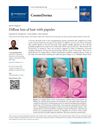 September 2024 in “Cosmoderma”
 The young man has complete hair loss and skin bumps, with no other health issues or family history.
8 citations
,
January 2025 in “Journal of Investigative Dermatology” Fetal skin has diverse fibroblast types that change as it develops.
 August 2023 in “International Journal of Molecular Sciences”
 Human skin xenografting could improve our understanding of skin development, renewal, and healing.
 3 citations
,
July 2004 in “SKINmed/Skinmed”
3 citations
,
July 2004 in “SKINmed/Skinmed” A 4-year-old girl was diagnosed with erythrokeratodermia variabilis after other treatments failed.
 40 citations
,
January 2016 in “Elsevier eBooks”
40 citations
,
January 2016 in “Elsevier eBooks” The skin is the largest organ, protecting the body, regulating temperature, and producing hormones.
12 citations
,
October 2014 in “Journal of Applied Animal Research” Bakerwali goat skin thickens with age, especially on the neck, and shows strong lipid reactions in the keratin layer.
11 citations
,
April 2013 in “Homo” Darker skin in 10-year-old girls may be an early sign of puberty.
 15 citations
,
March 2012 in “British journal of dermatology/British journal of dermatology, Supplement”
15 citations
,
March 2012 in “British journal of dermatology/British journal of dermatology, Supplement” Using specific cleansers and moisturizers with niacinamide improves men's skin hydration and health.
 January 2025 in “Tropical Medicine and Health”
 Most children in orphanages in Fayoum and Giza have skin disorders, mainly noninfectious, and need better hygiene and emotional care.
 35 citations
,
December 2014 in “Clinical Obstetrics and Gynecology”
35 citations
,
December 2014 in “Clinical Obstetrics and Gynecology” Most skin changes during pregnancy go away after giving birth.
 73 citations
,
July 1956 in “Journal of Investigative Dermatology”
73 citations
,
July 1956 in “Journal of Investigative Dermatology” Adult human skin can grow new fine hair follicles after a deep exfoliation treatment.
July 2025 in “Journal of Investigative Dermatology” Researchers created long-lasting, diverse skin organoids from mouse hair follicle stem cells, useful for studying skin.
 June 2023 in “British Journal of Dermatology”
 The prototype for analyzing skin aging works technically and clinically.
 28 citations
,
August 2001 in “Journal of cutaneous medicine and surgery”
28 citations
,
August 2001 in “Journal of cutaneous medicine and surgery” People with Down's syndrome often have more skin problems due to a weak immune system.
 April 2017 in “Journal of Investigative Dermatology”
 Researchers improved a method to study individual cells in newborn mouse skin and found a way to assess the severity of a skin condition in humans.
 18 citations
,
June 1995 in “International Journal of Dermatology”
18 citations
,
June 1995 in “International Journal of Dermatology” Women experience various skin issues at different life stages, requiring careful treatment and awareness.