Search
for
Sort by
Research
480-510 / 1000+ resultsresearch Intralesional Triamcinolone Acetonide Versus Topical Betamethasone Valearate in the Management of Localized Alopecia Areata.
Intralesional triamcinolone is more effective than topical betamethasone for treating localized alopecia areata.

research Topical 15% Lactic Acid Solution versus Topical Betamethasone Valerate lotion in Treatment of Multiple patchy alopecia aerate.
Betamethasone valerate lotion is more effective for treating multiple patchy alopecia areata.

research In Patients With Acne Vulgaris, How Do Standard Acne Treatments Combined With Adjunct Microbiome-Targeted Therapies Compare to Standard Acne Treatments Alone in Affecting Clinical Outcomes?
Adding oral probiotics to standard acne treatments improves results and reduces side effects.
research Staphylococcus aureus accessory gene regulator quorum-sensing system inhibits keratinocyte lipid enzymes and delays wound repair
Staphylococcus aureus delays wound healing by disrupting lipid metabolism in skin cells.
research In vivo investigation of the efficiency of a nanoparticle-emulsion containing polihexanide on the human skin
The nanoparticle-emulsion with polihexanide is more effective and lasts longer for skin antisepsis.
research A rare case of multiple keratoacanthomas treated with oral acitretin and intralesional methotrexate
A 25-year-old man with multiple skin tumors was successfully treated with acitretin and methotrexate.
research Comparison of Safety and Efficacy of Topical Mometasone 0.1% Ointment, Calcipotriol 0.005% Ointment, and Tacrolimus 0.1% Ointment in Patients with Localized Alopecia Areata: A Triple-Arm Randomized Clinical Study
Calcipotriol is the safest and most effective for hair regrowth in localized alopecia areata.
research Mixed Group
Dissecting cellulitis and folliculitis keloidalis cause intense inflammation without bacterial infection.
research Epidemiological and Clinico-therapeutic Studies on Dermatophytosis in Cattle at Parbhani
Clove oil effectively treats cattle dermatophytosis in 7 days.
research A Prospective, Multicenter, Open-label Study to Evaluate the Safety and Efficacy of a Cream Containing Xyloglucan, Pea Protein, and Opuntia ficus-indica Extract Versus Calcipotriol/Betamethasone in Adult Patients with Mild-to-moderate Psoriasis.
The cream with xyloglucan, pea protein, and cactus extract works as well as the standard treatment for psoriasis and is well-tolerated.
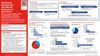
research Worldwide Clinical and Real-World Exposure to Baricitinib
Baricitinib is widely used for several conditions, especially COVID-19, but its safety and effectiveness are still being evaluated.
research Biological Profile of Cortexolone 17a-Propionate (CB-03-01), a New Topical and Peripherally Selective Androgen Antagonist
CB-03-01 is a promising skin cream for treating hormone-related skin problems without causing harmful body-wide effects.

research Composite Hydrogels with Embedded Silver Nanoparticles and Ibuprofen as Wound Dressing
The hydrogel with silver and ibuprofen promotes wound healing and fights infection.
research Management of Hypotrichosis of the Eyelashes
Bimatoprost ophthalmic solution 0.03% is a safe and effective way to increase eyelash growth.
research Radiofrequency Microneedling-Mediated Enhancement in Percutaneous Delivery of Topical Triamcinolone Acetonide: An In Vivo Quantitative Study
Radiofrequency microneedling improves the absorption of topical triamcinolone acetonide, especially with deeper needle insertion.
research Topical use of calcipotriol does not potentiate squaric acid dibutylester effectiveness in the treatment of alopecia areata
Calcipotriol does not improve the effectiveness of squaric acid dibutylester in treating alopecia areata.
research Combination of topical garlic gel and betamethasone valerate cream in the treatment of localized alopecia areata: A double-blind randomized controlled study
Garlic gel with betamethasone cream significantly improves hair regrowth in alopecia areata.
research The Efficacy of Baricitinib as a Treatment Option for Alopecia, In Terms of Promoting Hair Regrowth and Improving Patient Reported Outcomes
Baricitinib effectively promotes hair regrowth in severe alopecia with minimal side effects.
research Cefazolin-Loaded Double-Shelled Hollow Mesoporous Silica Nanoparticles/Polycaprolactone Nanofiber Composites: A Delivery Vehicle for Regenerative Purposes
Cefazolin-loaded nanoparticles in nanofibers can help heal wounds and support regeneration.
research Combinatorial Influence of Bone Marrow Aspirate Concentrate (BMAC) and Platelet-Rich Plasma (PRP) Treatment on Cutaneous Wound Healing in BALB/c Mice
Using both bone marrow concentrate and platelet-rich plasma together improves skin wound healing in mice.
research Hypertrichosis of the eyelashes caused by bimatoprost
Bimatoprost can cause excessive eyelash growth.
research Intralesional Methotrexate Is Comparable to Triamicinolone Acetonide and Superior to Vitamin D3 in the Treatment of Alopecia Areata
Intralesional methotrexate and triamcinolone acetonide are more effective than Vitamin D3 for treating alopecia areata.

research Efficacy and Safety of Baricitinib in Patients with Severe Alopecia Areata over 52 Weeks of Continuous Therapy in Two Phase III Trials (BRAVE-AA1 and BRAVE-AA2)
Baricitinib improved severe hair loss in adults over 52 weeks and was safe to use.
research An Update on Medical Treatment Options for Hidradenitis Suppurativa
New treatments for a chronic skin condition show promise, but individualized plans are crucial due to varying responses.
research A RARE FORM OF SUPPURATING AND CICATRIZING DISEASE OF THE SCALP
A rare scalp disease causes hair loss, pus-filled nodules, and scarring.
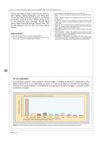
research Fe de errores
The document corrects a mistake by stating that pimecrolimus, not tacrolimus, is the drug that concentrates in the skin.
research Integrated safety analysis of baricitinib in adults with severe alopecia areata from two randomized clinical trials
Baricitinib for severe alopecia areata is generally safe, with common side effects like infections and acne, and low rates of serious complications.
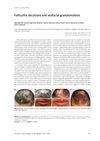
research Folliculitis decalvans and orofacial granulomatosis
Treatment with dapsone, topical corticosteroids, and antibiotics improved the man's skin conditions.
research Acneiform Dermatoses
Some skin conditions look like acne but are caused by drugs, and they usually get better when the drug is stopped.