 May 2024 in “Indian Dermatology Online Journal”
 A rare bacterial infection of pubic hair can cause strong genital odor, but trimming hair and using clindamycin can quickly fix it.
A 15-year-old boy's smelly, yellow armpit hair improved with clindamycin treatment.
 June 2021 in “International Ayurvedic Medical Journal”
 Ayurvedic treatments like leech therapy and turmeric-neem paste can effectively treat alopecia areata without harmful side effects.
 May 2019 in “Journal of the Dermatology Nurses’ Association”
 Folliculitis decalvans mainly affects middle-aged African American men and is treated with antibiotics.
 66 citations
,
April 1995 in “The journal of cell biology/The Journal of cell biology”
66 citations
,
April 1995 in “The journal of cell biology/The Journal of cell biology” A new protein was made to detect specific skin cell growth receptors and worked in normal skin but not in skin cancer cells.
8 citations
,
November 2024 in “Journal of Neuroendocrinology” Gut bacteria affect steroid levels, influencing health conditions and potential treatments.
 8 citations
,
September 2016 in “The American Journal of Dermatopathology”
8 citations
,
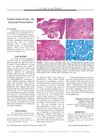
September 2016 in “The American Journal of Dermatopathology” Enlarged sweat gland ducts may indicate scarring hair loss.
 4 citations
,
October 2022 in “Microbial Cell Factories”
4 citations
,
October 2022 in “Microbial Cell Factories” Certain bacteria from the Citrullus colocynthis plant may be a new source of antibiotics to fight drug-resistant diseases.
3 citations
,
June 2025 in “Biomedicines” Gut bacteria may influence hair loss in alopecia areata.

Gut bacteria pathways may help treat hair loss in obese people.
 239 citations
,
December 2013 in “Scientific Reports”
239 citations
,
December 2013 in “Scientific Reports” A new method quickly creates controllable cell clusters for tissue engineering and drug testing.
 33 citations
,
January 2010 in “International journal of trichology”
33 citations
,
January 2010 in “International journal of trichology” Antimicrobial therapy can help manage Folliculitis Decalvans.
 10 citations
,
May 2017 in “CMAJ. Canadian Medical Association journal”
10 citations
,
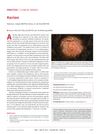
May 2017 in “CMAJ. Canadian Medical Association journal” The boy had a fungal scalp infection called kerion, which was cured with oral antifungal medication.
5 citations
,
September 2022 in “Frontiers in Nutrition” Gut bacteria differences may help diagnose and treat Alopecia areata.
4 citations
,
July 2024 in “Skin Research and Technology” Certain bacteria may influence alopecia areata risk, but skin bacteria don't mediate gut-skin effects.
 February 2026 in “Frontiers in Microbiology”
 Skin bacteria help heal wounds and restore healthy skin.

Certain gut bacteria may protect against or increase the risk of hair loss.
19 citations
,
January 2023 in “ACS Omega” SEF cryogels effectively kill bacteria, stop bleeding, and speed up wound healing.
6 citations
,
July 2025 in “Frontiers in Microbiology” Imbalanced skin bacteria worsen diabetic foot ulcers, but adjusting them might improve healing.
3 citations
,
November 2024 in “Current Research in Microbial Sciences” Echinops echinatus and Tridax procumbens have compounds that fight bacteria.
3 citations
,
August 2024 in “Biomimetics” The hydrogel effectively heals wounds and fights bacteria.
3 citations
,
January 2024 in “Allergy Asthma and Immunology Research” Understanding the skin's bacteria and chemicals may help manage scalp issues in atopic dermatitis.
 May 2025 in “Annals of surgical case reports & images.”
 Certain gut bacteria may protect against hair loss, while others may increase the risk.
 April 2024 in “Frontiers in microbiology”
 Certain gut bacteria may increase or decrease the risk of male pattern baldness.
 310 citations
,
November 2011 in “Environment International”
310 citations
,
November 2011 in “Environment International” Anticancer drugs are increasingly found in surface waters, and their long-term environmental effects are not well understood, requiring better testing methods.
 1 citations
,
March 2018 in “BMJ case reports”
1 citations
,
March 2018 in “BMJ case reports” Dilated pupils can be an early sign of HIV/AIDS.
September 2025 in “Frontiers in Microbiology” Modifying gut bacteria may help treat and prevent osteoarthritis.
 November 2024 in “Fermentation”
 Fermented ginsenosides from kimchi bacteria may promote hair growth better than finasteride.
 July 2023 in “Journal of Ayub Medical College Abbottabad”
 A woman in Pakistan was diagnosed with Lupus Vasculitis and treated successfully.
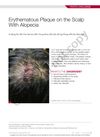
The woman has a scalp condition causing hair loss.