 1 citations
,
May 2025 in “Natural Products and Bioprospecting”
1 citations
,
May 2025 in “Natural Products and Bioprospecting” PEVIII is a promising treatment for Pseudomonas aeruginosa keratitis.
37 citations
,
February 2023 in “Gut Microbes” Gut bacteria can lower androgen levels in male mice.
5 citations
,
April 2014 in “Journal of Lipid Research” SCD1 inhibitors can cause skin issues in rodents.
2 citations
,
June 2025 in “Biomolecules” Microbiome analysis, BEVs, and AI can improve PCOS diagnosis and treatment.
 2 citations
,
January 2015 in “Springer eBooks”
2 citations
,
January 2015 in “Springer eBooks” Early diagnosis and aggressive treatment are crucial for Cicatricial Alopecia, and treatment effectiveness varies among patients.
33 citations
,
September 2018 in “Frontiers in Microbiology” Human hair shafts inhibit Gram-positive bacteria growth but not Gram-negative bacteria.
 May 2019 in “Small Animal Dermatology”
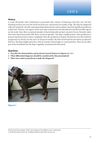
 The dog has Color Dilution Alopecia, causing hair loss and increased risk of skin infections.
 August 2018 in “Journal of The American Academy of Dermatology”
 Ozenoxacin 1% cream is an effective and safe treatment for impetigo in children and adults.
 417 citations
,
September 2005 in “PLoS biology”
417 citations
,
September 2005 in “PLoS biology” Understanding gene expression in hair follicles can reveal insights into hair growth and disorders.
 238 citations
,
July 2003 in “British Journal of Plastic Surgery”
238 citations
,
July 2003 in “British Journal of Plastic Surgery” Hidradenitis suppurativa, a chronic skin disease, can be managed with antibiotics, lifestyle changes, and in severe cases, surgery. Early diagnosis and careful planning are key, and laser treatment can be an efficient solution for mild to severe cases.
 233 citations
,
February 2018 in “Polymers”
233 citations
,
February 2018 in “Polymers” Chitin and chitosan are useful in cosmetics for oral care, haircare, and skincare, including UV protection and strength improvement.
 78 citations
,
October 2020 in “Experimental Dermatology”
78 citations
,
October 2020 in “Experimental Dermatology” Hidradenitis suppurativa is caused by genetic factors, inflammation, bacteria, hormones, and lifestyle factors like obesity and smoking.
 53 citations
,
January 2017 in “BioMed research international”
53 citations
,
January 2017 in “BioMed research international” Genetically modified plants could be an important source of omega-3 fats to meet global needs.
 9 citations
,
February 2020 in “International Journal of Endocrinology”
9 citations
,
February 2020 in “International Journal of Endocrinology” Some men with early hair loss may have a male version of PCOS, affecting hormones and increasing health risks.
1 citations
,
June 2025 in “Fermentation” Lactic acid bacteria fermentation boosts the health benefits of Radix Angelica gigas.
1 citations
,
November 2024 in “Orphanet Journal of Rare Diseases” Changes in genes FGA, VWF, and ACTG1 may contribute to pemphigus vulgaris.
 1 citations
,
July 2018 in “Elsevier eBooks”
1 citations
,
July 2018 in “Elsevier eBooks” FAPD and possibly CCCA may be AGA subtypes, and treatments combining antiandrogens, hair growth agents, hair transplants, and anti-inflammatories could be effective.
 March 2026 in “Brazilian Journal of Microbiology”
 Restoring skin bacteria may help reduce hair loss.
 January 2026 in “Forum Dermatologicum”
 LED therapy is safe and can help with acne, aging skin, and hair loss, but consumer devices may be less effective.
 November 2025 in “Frontiers in Endocrinology”
 Apigenin and ellagic acid may help manage PCOS symptoms.
 January 2025 in “Universidad de Córdoba Insitutional Repository (Universidad de Córdoba)”
 An imbalanced scalp microbiome may worsen alopecia areata severity and inflammation, but treatment can partially restore balance.

Custom skincare can be made based on genes, fewer cats in Lublin have FeLV/FIV than national average, and studies also looked at small water bodies, river pollution, guppy growth, toxins in biochars, palm oil issues, and pumpkin seed oil for hair strength.
 September 2022 in “Research Square (Research Square)”
 Probiotics and synbiotics may help with PCOS symptoms, but more research is needed.
 January 2022 in “International journal of zoology and animal biology”
 Dogs with dermatomyositis, especially Collies and Shetland Sheepdogs, need better treatments for their skin and muscle inflammation.
 March 2021 in “Actas Dermo-Sifiliográficas”
 The microbiome may be linked to hair loss and could be a target for new treatments.
 October 2020 in “Veterinary Dermatology”
 New treatments and diagnostic methods for various animal skin conditions showed promising results.
17 citations
,
January 2025 in “Journal of Nanobiotechnology” Bacterial extracellular vesicles could revolutionize regenerative medicine but need safety improvements.
 98 citations
,
June 2001 in “Journal of biological chemistry/The Journal of biological chemistry”
98 citations
,
June 2001 in “Journal of biological chemistry/The Journal of biological chemistry” A cluster of sulfur-rich hair protein genes was found on chromosome 17.
 65 citations
,
January 2009 in “Pediatric Dermatology”
65 citations
,
January 2009 in “Pediatric Dermatology” The most common skin problems in Indian children are infections and eczemas.
research ACNE
58 citations
,
January 1997 in “Dermatologic Clinics” Acne significantly affects mental health and quality of life, with research suggesting hormonal and genetic factors in its development and emphasizing early treatment to prevent scarring.