 April 2024 in “Frontiers in cellular and infection microbiology”
 Blue light might help treat skin conditions by affecting the skin's bacteria.
 22 citations
,
August 2019 in “Environmental research”
22 citations
,
August 2019 in “Environmental research” Pseudomonas sp. T5-6-I bacteria increase selenium uptake in Brassica oleracea plants by 130%.
 6 citations
,
August 2006 in “Journal of Cutaneous Pathology”
6 citations
,
August 2006 in “Journal of Cutaneous Pathology” Two teenage brothers had a rare, treatment-resistant form of female-pattern hair loss with unusual scalp changes.
 14 citations
,
January 2020 in “International Journal of Biological Sciences”
14 citations
,
January 2020 in “International Journal of Biological Sciences” Ranitidine and finasteride lower TMAO levels, reducing heart and kidney damage by changing gut bacteria.
 November 2024 in “Open Repository of the University of Porto (University of Porto)”
 Pharmacists play a crucial role in safe medication use and interdisciplinary collaboration is key to reducing antimicrobial resistance.
 May 2020 in “bioRxiv (Cold Spring Harbor Laboratory)”
 The study found that certain genes are important for hedgehog skin appendage development and immunity, with spines possibly evolving for protection and infection resistance.
 January 2016 in “Journal of Investigative Dermatology”
 Some cells may slow melanoma growth, a protein could affect skin pigmentation, a gene-silencing method might treat hair defects, skin bacteria changes likely result from eczema, and a defensin protein could help treat multiple sclerosis.
 9 citations
,
April 2015 in “Dermatologic Therapy”
9 citations
,
April 2015 in “Dermatologic Therapy” Hormonal therapies, like flutamide and cyproterone acetate, are safe and effective for treating adult women's acne, especially those with hormone imbalance or resistant acne.
 116 citations
,
December 2017 in “International Journal of Women's Dermatology”
116 citations
,
December 2017 in “International Journal of Women's Dermatology” Adult female acne treatment should be personalized, considering individual preferences and pregnancy, using various topical and oral medications while managing side effects and resistance.
 9 citations
,
October 2012 in “Natural Product Communications”
9 citations
,
October 2012 in “Natural Product Communications” The essential oil from Chamaecyparis lawsoniana has strong antibacterial and antifungal effects, especially against yeast and Gram-positive bacteria.
 68 citations
,
May 2011 in “European Journal of Dermatology”
68 citations
,
May 2011 in “European Journal of Dermatology” Acne is caused by genetics, diet, hormones, and bacteria, with treatments not yet curative.
 May 2026 in “Scientific Reports”
 Sr and Cu ions in borosilicate glasses improve strength, bone integration, and fight bacteria, making them good for orthopedic implants.
 January 2023 in “Brazilian Journals Editora eBooks”
 The document concludes that Passiflora incarnata may help with anxiety, healthcare workers need mental support, common bacteria cause hospital UTIs, telehealth for heart failure needs research, kids' screen time has increased, pregnant teens are mostly okay with their body image, diagnosing post-surgery tuberculosis is hard, older and severely ill people are more likely to have long COVID symptoms, and psychiatrists should be part of pain management teams.
 176 citations
,
August 1981 in “JAMA”
176 citations
,
August 1981 in “JAMA” Toxic Shock Syndrome mainly affects menstruating women, can recur, and is linked to staph bacteria, with rapid treatment being crucial.
 8 citations
,
July 2018 in “European Journal of Dermatology”
8 citations
,
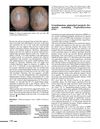
July 2018 in “European Journal of Dermatology” A medication may help with hair growth in psoriasis, and a skin condition might be linked to a specific bacteria.
 May 2020 in “International Journal of Engineering Applied Sciences and Technology”
 Bioactive plant materials like lemon, garlic, and neem effectively fight harmful bacteria.
 February 2026 in “Frontiers in Microbiology”
 Skin bacteria help heal wounds and restore healthy skin.
5 citations
,
September 2022 in “Frontiers in Nutrition” Gut bacteria differences may help diagnose and treat Alopecia areata.
19 citations
,
January 2023 in “ACS Omega” SEF cryogels effectively kill bacteria, stop bleeding, and speed up wound healing.
10 citations
,
April 2024 in “International Journal of Molecular Sciences” Gut bacteria differences may influence alopecia areata.
3 citations
,
June 2025 in “Biomedicines” Gut bacteria may influence hair loss in alopecia areata.
Gut bacteria pathways may help treat hair loss in obese people.

Male hormones can decrease the ability of immune cells to fight bacteria.
10 citations
,
March 2024 in “Frontiers in Bioengineering and Biotechnology” Photothermal hydrogels can kill bacteria and help heal tissue using light-converted heat.
25 citations
,
March 2021 in “Australasian Journal of Dermatology” Ustekinumab successfully treated a man's resistant skin condition when other treatments failed.
15 citations
,
March 2019 in “Veterinary Dermatology” Three mousse products effectively reduced bacteria on dog hair for at least 10 days.
8 citations
,
November 2018 in “BMC Pulmonary Medicine” A 70-year-old woman with bronchiectasis developed a rare immune disease due to a bacterial infection, requiring a difficult balance of treatments.
6 citations
,
July 2025 in “Frontiers in Microbiology” Imbalanced skin bacteria worsen diabetic foot ulcers, but adjusting them might improve healing.
3 citations
,
August 2022 in “Molecules/Molecules online/Molecules annual” A new strain of bacteria from the human skin can help prevent hair loss.
 1 citations
,
March 2024 in “International Journal of Dermatology”
1 citations
,
March 2024 in “International Journal of Dermatology” CO2 laser-associated PDT effectively treated therapy-resistant folliculitis decalvans.