 September 2025 in “International Journal of Advanced Academic Studies”
 Combining Anu Taila Nasya and Gokshura Lepa may help reduce hair loss and promote regrowth.
 July 2025 in “International Journal of Allied Medical Sciences and Clinical Research”
 Eclipta prostrata is a medicinal herb with potential health benefits for various conditions and could be used in modern medicine.

Combining nanotechnology with herbal medicine may improve PCOS treatment.
Herbal supplements like Berberine, Cinnamon, and Fenugreek may be affordable alternatives for managing PCOS.
 January 2025 in “International Journal of Advanced Research in Science Communication and Technology”
 Herbal shampoos effectively promote hair growth and control dandruff using traditional herbs and modern technology.
 January 2025 in “Directory of Open access Books (OAPEN Foundation)”
 PCOS affects women's hormones and metabolism, but can be managed with lifestyle changes and treatments.
 January 2025 in “Open Medicine”
 High-concentration cell-free adipose extract reduces scar formation and improves scar appearance.

The polyherbal hair mask is a safe and effective alternative for improving hair health.
 January 2025 in “RSC Pharmaceutics”
 Smart microneedles using advanced tech could improve psoriasis treatment.
 January 2025 in “International Journal of Pharmacognosy and Life Science”
 Herbal treatments like Aloe vera, Bhringraj, Neem, Tea tree oil, Amla, and Hibiscus are promising for safer, effective hair care.
 January 2025 in “The Pharma Innovation”
 Millets support sustainable development by improving nutrition, aiding climate resilience, and boosting economic viability, especially for Indian farmers.
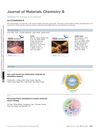 January 2025 in “Journal of Materials Chemistry B”
  December 2024 in “Ankara Universitesi Eczacilik Fakultesi Dergisi”
 Black cumin has many health benefits and potential for new medicines.
 November 2024 in “Communities in ADDI (University of the Basque Country)”
 Antisense oligonucleotides show promise for treating Myotonic Dystrophy type I.
 November 2024 in “Journal of Young Pharmacists”
 Siddha medicine helped a child regrow hair lost from alopecia areata.
 October 2024 in “Irish Journal of Medical Science (1971 -)”
 Electrical stimulation with a low-calorie diet reduces appetite, weight, and blood pressure in obese people with sleep apnea.
 October 2024 in “Revista Electronica de Veterinaria”
 Siddha medicine can effectively treat Alopecia areata, leading to significant hair regrowth.
 September 2024 in “International Journal of Pharmaceutical Quality Assurance”
 Nanoemulgels improve skin disorder treatment by delivering drugs more effectively and reducing application frequency.

ARHGEF3 is essential for proper hair follicle development.
 August 2024 in “Journal of Ayurveda and Integrated Medical Sciences”
 Murdha Taila, applied through the scalp, effectively treats head and neck issues and stimulates the nervous system.
 August 2024 in “International Journal For Multidisciplinary Research”
 Ayurvedic treatment reduced hair loss and improved scalp health effectively.
 August 2024 in “Clinical and Medical Engineering Live”
 An integrated approach can help treat childhood alopecia areata.
 July 2024 in “Egyptian Journal of Medical Human Genetics”
 These gene variations are not linked to alopecia areata in Egyptians.
 July 2024 in “Forum Dermatologicum”
 Topical treatments for hair loss can be effective but need careful safety evaluation.
 May 2024 in “Indian journal of pharmacy and pharmacology”
 Luliconazole is more effective than ketoconazole at repairing damaged hair cuticles.

Attractive women slightly worsened mood, green backgrounds improved mood, and older people had better moods.
 March 2024 in “bioRxiv (Cold Spring Harbor Laboratory)”
 Minoxidil treatment improves heart defects in a DiGeorge syndrome model.
 February 2024 in “Frontiers in physiology”
 Lymphatic vessels are important for skin repair and could affect skin disease treatments.
 February 2024 in “Oriental Journal of Chemistry/Oriental journal of chemistry”
 Eclipta alba shows promise for treating various health issues and needs more research.
 January 2024 in “Diabetes & metabolism journal”
 Disrupting natural body clocks increases the risk of developing type 2 diabetes.