32 citations
,
May 2016 in “European journal of dermatology/EJD. European journal of dermatology” Targeted therapies for advanced skin cancer often cause hair and nail problems, which need managing to avoid changing the treatment dose.
16 citations
,
September 1999 in “Journal of Investigative Dermatology Symposium Proceedings”  June 2011 in “Expert Review of Dermatology”
 Researchers discovered potential origins and new treatments for skin cancer, including biomarkers for melanoma and therapies that reduce tumor growth.
9 citations
,
April 2010 in “The Journal of Dermatology” Nestin helps identify certain melanoma cells in nodular melanoma.
September 2022 in “Scientific Reports” Scalp melanoma is more common and easier to diagnose early in people with androgenetic alopecia due to sun damage.
 April 2023 in “The journal of investigative dermatology/Journal of investigative dermatology”
 A specific group of early-stage melanocytes is reduced in vitiligo-affected skin, which may explain treatment resistance.
 January 2025 in “Cellular and Molecular Life Sciences”
 BMP4 helps stem cells turn into pigment-producing cells, affecting hair color and growth.
9 citations
,
May 2020 in “bioRxiv (Cold Spring Harbor Laboratory)” Human melanocytes have unique traits that affect melanoma development and prognosis.
 April 2026 in “bioRxiv (Cold Spring Harbor Laboratory)”
 Hair follicles protect melanocytes from sun damage, helping them replenish skin.
 18 citations
,
August 2021 in “PLoS ONE”
18 citations
,
August 2021 in “PLoS ONE” Melanocyte progenitor cells are found in human fat tissue and can become mature melanocytes, which may help treat skin issues.
2 citations
,
August 2017 in “Experimental Dermatology” A human serum-enriched medium effectively supports melanocyte growth and activity without using animal-derived supplements.
 10 citations
,
May 2016 in “Journal of Dermatological Science”
10 citations
,
May 2016 in “Journal of Dermatological Science” PDGF-BB helps young melanocytes grow but stops mature ones from growing, and it makes melanocytes more specialized.
 January 2012 in “Journal of Investigative Dermatology”
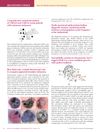
 Some Greek melanoma patients have gene mutations linked to increased cancer risk, a new color feature helps diagnose melanoma, the incidence of a skin condition in the Netherlands is rare, and a gene possibly affects male-pattern baldness.
August 2024 in “Animal Bioscience” Exosomal miR-222-3p reduces melanin production in rabbits by targeting the SOX10 gene.
 August 2023 in “International Journal of Molecular Sciences”
 The human scalp hair bulb contains different types of melanocytes with varying abilities to produce melanin.
 93 citations
,
May 2010 in “European Journal of Cancer”
93 citations
,
May 2010 in “European Journal of Cancer” BI 2536 had limited effectiveness against several advanced cancers and caused significant side effects.
1 citations
,
June 2011 in “InTech eBooks” Darker skin provides more protection against UV damage and cancer.
 1 citations
,
August 2018 in “Journal of The American Academy of Dermatology”
1 citations
,
August 2018 in “Journal of The American Academy of Dermatology” Patients with melanoma who saw dermatologists and were from higher-income areas were more likely to have follow-up visits, which was linked to lower mortality.
5 citations
,
September 2018 in “Journal of Investigative Dermatology” Keratinocyte cytokines and genetic variations influence the development of moles and skin pigmentation.
29 citations
,
January 2013 in “The journal of investigative dermatology/Journal of investigative dermatology” P-cadherin is crucial for hair follicle pigmentation but not skin pigmentation.
 23 citations
,
March 2019 in “The journal of investigative dermatology/Journal of investigative dermatology”
23 citations
,
March 2019 in “The journal of investigative dermatology/Journal of investigative dermatology” ATP increases melanin production in skin after UV exposure, with the P2X7 receptor being crucial for this process.
 April 2018 in “Journal of Investigative Dermatology”
 Watching, not removing, skin growths with moderate atypia and positive edges is okay; patients may get melanoma elsewhere, especially if they've had it before.
1 citations
,
October 2023 in “European Journal of Dermatology” Combining hair transplantation with PRP is more effective for treating hair loss than hair transplantation alone.
 6 citations
,
November 2011 in “Journal of Dermatological Science”
6 citations
,
November 2011 in “Journal of Dermatological Science” A new gene mutation may allow some piebaldism patients to regain skin color in white patches.
2 citations
,
April 2020 in “International Journal of Dermatology and Venereology” Beta-HPV and MCPyV are linked to certain skin cancers, with ongoing research and vaccine development.
 7 citations
,
November 2011 in “Skin Research and Technology”
7 citations
,
November 2011 in “Skin Research and Technology” The study found a specific pattern of uneven melanin distribution on balding scalps that could help understand skin diseases caused by light exposure.
 7 citations
,
August 2022 in “Experimental dermatology”
7 citations
,
August 2022 in “Experimental dermatology” Blocking YAP/TAZ could be a new way to treat skin cancer.
8 citations
,
August 2018 in “BMJ Case Reports” Pazopanib treatment caused rapid hair color loss, possibly indicating its effectiveness.
8 citations
,
January 2017 in “Korean Journal of Physiology and Pharmacology” Pimecrolimus boosts melanin production and movement of skin pigment cells.
January 2016 in “UNESP Institutional Repository (São Paulo State University)” Melasma results from changes in the skin's pigment and structure, not just pigment cell growth.