 March 2026 in “Clinical Cosmetic and Investigational Dermatology”
 Upadacitinib improved multiple immune-related conditions in one patient.
 January 2024 in “Journal of Crohn's and colitis”
 Janus Kinase inhibitors are effective and have an acceptable safety profile for treating moderate to severe Ulcerative Colitis.
6 citations
,
November 2020 in “JAAD Case Reports” Tofacitinib may help treat both alopecia areata and inflammatory bowel disease.
4 citations
,
July 2024 in “Pharmacology Research & Perspectives” Ritlecitinib is safe and may effectively treat alopecia areata.
April 2025 in “Anais Brasileiros de Dermatologia” Abrocitinib effectively treats severe alopecia areata with significant improvement and no side effects.
 5 citations
,
January 2021 in “Inflammatory Bowel Diseases”
5 citations
,
January 2021 in “Inflammatory Bowel Diseases” Tofacitinib improved ulcerative colitis, skin ulcers, and hair loss in a patient who didn't respond well to other treatments.
 April 2024 in “Frontiers in pharmacology”
 Brepocitinib 30mg is most effective for moderate-to-severe alopecia areata, but ritlecitinib 50mg may offer a better balance of safety and effectiveness.
June 2025 in “British Journal of Dermatology” Ritlecitinib may cause serious side effects like blood clots in alopecia areata patients.
 139 citations
,
November 2016 in “Journal of the American Academy of Dermatology”
139 citations
,
November 2016 in “Journal of the American Academy of Dermatology” Tofacitinib helped regrow hair in most adolescents with alopecia areata, but more research is needed.
 116 citations
,
February 2017 in “Journal of the American Academy of Dermatology”
116 citations
,
February 2017 in “Journal of the American Academy of Dermatology” JAK inhibitors help with skin conditions but need more research on dosing and safety.
 99 citations
,
July 2017 in “Clinical Reviews in Allergy & Immunology”
99 citations
,
July 2017 in “Clinical Reviews in Allergy & Immunology” New treatments for Alopecia Areata show promise but need to be more effective and affordable.
 56 citations
,
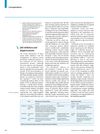
January 2019 in “Lancet”
56 citations
,
January 2019 in “Lancet” JAK inhibitors help regrow hair in alopecia areata patients, improving their quality of life.
 55 citations
,
October 2019 in “Dermatology and therapy”
55 citations
,
October 2019 in “Dermatology and therapy” Drugs targeting the JAK/STAT pathway can improve atopic dermatitis but vary in effectiveness for vitiligo and alopecia areata, with generally mild safety concerns.
 37 citations
,
August 2022 in “Frontiers in pharmacology”
37 citations
,
August 2022 in “Frontiers in pharmacology” Oral JAK inhibitors are effective and safe for treating alopecia areata but may need ongoing use to keep results.
 16 citations
,
January 2017 in “Acta dermatovenerologica Alpina, Pannonica et Adriatica (Tiskana izd.)”
16 citations
,
January 2017 in “Acta dermatovenerologica Alpina, Pannonica et Adriatica (Tiskana izd.)” A patient with complete hair loss regrew all her hair using tofacitinib.
 11 citations
,
April 2015 in “EBioMedicine”
11 citations
,
April 2015 in “EBioMedicine” JAK inhibitors may help treat Alopecia Areata but need careful monitoring due to side effects.
 9 citations
,
January 2023 in “Dermatology and therapy”
9 citations
,
January 2023 in “Dermatology and therapy” A 14-year-old girl with severe hair loss regrew her hair using upadacitinib.
 4 citations
,
May 2025 in “Frontiers in Immunology”
4 citations
,
May 2025 in “Frontiers in Immunology” JAK inhibitors effectively and safely treat alopecia areata with few serious side effects.
 3 citations
,
August 2024 in “Cureus”
3 citations
,
August 2024 in “Cureus” Upadacitinib may cause hair loss.
 1 citations
,
September 2025 in “Clinical Cosmetic and Investigational Dermatology”
1 citations
,
September 2025 in “Clinical Cosmetic and Investigational Dermatology” Upadacitinib is effective and safe for treating severe Alopecia Areata in adolescents.
 1 citations
,
September 2024 in “IP Indian Journal of Clinical and Experimental Dermatology”
1 citations
,
September 2024 in “IP Indian Journal of Clinical and Experimental Dermatology” Topical tofacitinib is a safe and effective treatment for autoimmune skin disorders.
 1 citations
,
September 2022 in “Sudan Journal of Medical Sciences”
1 citations
,
September 2022 in “Sudan Journal of Medical Sciences” Danoprevir, remdesivir, and saridegib may effectively inhibit SARS-CoV-2.
 1 citations
,
June 2021 in “Journal of dermatology and dermatitis”
1 citations
,
June 2021 in “Journal of dermatology and dermatitis” Tyrosine kinase inhibitors show promise in treating some skin diseases but their definitive role in dermatology is still unclear.
 March 2026 in “Frontiers in Medicine”
 New therapies for rare skin diseases show promise but need more research.
 March 2026 in “Scientific Reports”
 Ferulic acid may help hair grow by activating certain receptors in cells.
Including ineffective or unsafe doses in reviews can lead to misleading conclusions about alopecia areata treatments.
Dupilumab may cause hair loss, so patients should be monitored.
 June 2025 in “International Journal of Science and Research (IJSR)”
 Tofacitinib effectively promotes hair regrowth in alopecia areata with minimal side effects.
 August 2024 in “New Zealand Medical Student Journal”
 JAK inhibitors show promise for treating skin diseases effectively and safely.