January 2022 in “Clinical Cases in Dermatology” An 11-year-old girl with severe hair loss was successfully treated with a new combination therapy.
August 2021 in “Journal of the American Academy of Dermatology” Oral baricitinib is effective and safe for treating alopecia areata.
June 2021 in “DOAJ (DOAJ: Directory of Open Access Journals)” JAK inhibitors show promise for treating alopecia areata but their effectiveness and safety are still debated.
September 2019 in “The journal of investigative dermatology/Journal of investigative dermatology” A new mutation in the STING protein causes a disease with lupus-like symptoms and responds well to a specific inhibitor treatment.
 March 2018 in “Suez Canal University Medical Journal”
 New drugs targeting the JAK-STAT pathway show promise for treating inflammatory skin diseases.
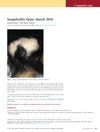 February 2016 in “The journal of investigative dermatology/Journal of investigative dermatology”
 JAK inhibitors may help treat alopecia areata by reversing hair loss.
 3 citations
,
May 2022 in “Clinical and experimental dermatology”
3 citations
,
May 2022 in “Clinical and experimental dermatology” Drugs targeting EMT molecules show promise for treating lichen planopilaris.
September 2023 in “Journal of the American Academy of Dermatology” Oral Janus kinase inhibitors are effective for treating alopecia areata in adults.
5 citations
,
April 2025 in “Journal of Cosmetic Dermatology” Janus kinase inhibitors are effective and safe for treating Alopecia Areata.
1 citations
,
September 2025 in “JAAD reviews.” Janus kinase inhibitors are effective for severe alopecia areata, promoting hair regrowth.
January 2026 in “Skin Health and Disease” Irish dermatologists use JAK inhibitors for alopecia areata but want standardized treatment guidelines.
research Hair
May 2024 in “Australasian Journal of Dermatology” Alopecia areata causes significant emotional and social challenges, especially with more hair loss.
 December 2022 in “Sudan Journal of Medical Sciences”
 Vaccination is the most effective way to reduce COVID-19 transmission.
277 citations
,
December 2019 in “Frontiers in Immunology” JAK inhibitors show promise for treating skin disorders like alopecia, eczema, and psoriasis.
11 citations
,
September 2024 in “Journal of the European Academy of Dermatology and Venereology” Hair regrows faster in alopecia areata than skin re-pigments in vitiligo due to differences in stem cells and treatment effects.
8 citations
,
July 2024 in “Children” Biologics and targeted therapies could improve treatment for children with certain chronic skin conditions.
6 citations
,
October 2024 in “Journal of Family Medicine and Primary Care” Primary care doctors need to monitor JAK and TYK-2 inhibitors carefully for skin conditions.
4 citations
,
January 2025 in “Dermatologica Sinica” Experts recommend personalized treatment plans for alopecia areata, using corticosteroids and minoxidil for mild cases, and stronger medications for severe cases.
3 citations
,
September 2025 in “Frontiers in Immunology” JAK inhibitors are effective for treating moderate-to-severe alopecia areata.
 February 2026 in “Biomedicines”
 Off-label treatments are heavily used for alopecia areata due to limited approved options.
Accurate diagnosis is crucial for effective treatment of similar hair loss conditions.
 October 2022 in “Journal of experimental and clinical medicine”
 Repurposing existing drugs for COVID-19 shows promise but requires more research to confirm effectiveness.
 February 2026 in “Frontiers in Immunology”
 Ivarmacitinib significantly improved hair regrowth in severe alopecia areata after tofacitinib was less effective.
Ivarmacitinib effectively regrows hair in severe alopecia areata.
4 citations
,
October 2024 in “Journal of the American Academy of Dermatology” Abrocitinib may help treat alopecia areata effectively with mild side effects.
11 citations
,
February 2022 in “JAAD case reports” Abrocitinib, a JAK inhibitor, may help treat atopic dermatitis and alopecia universalis together.
23 citations
,
October 2024 in “British Journal of Dermatology” Ritlecitinib effectively treats alopecia areata and is safe for long-term use in people 12 and older.
September 2025 in “Asian journal of pediatric dermatology.” Abrocitinib helped a 14-year-old girl with severe alopecia areata regrow her hair significantly.
 41 citations
,
December 2015 in “JAMA Dermatology”
41 citations
,
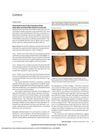
December 2015 in “JAMA Dermatology” Tofacitinib citrate improved nail dystrophy and pain in patients with alopecia universalis without causing side effects.
 August 2025 in “Scientific Electronic library online (Sciences Carlos III Health Institute)”
 Tofacitinib can help regrow hair in about 50% of people with moderate-severe alopecia areata.