 1 citations
,
November 2025 in “Journal of Korean Medical Association”
1 citations
,
November 2025 in “Journal of Korean Medical Association” Recognizing nail changes helps diagnose and treat non-infectious skin diseases.
 1 citations
,
October 2023 in “Romanian Journal of Morphology and Embryology”
1 citations
,
October 2023 in “Romanian Journal of Morphology and Embryology” COVID-19 can cause various skin issues, but long-term skin problems are rare.
 1 citations
,
July 2023 in “Al-Azhar Medical Journal”
1 citations
,
July 2023 in “Al-Azhar Medical Journal” Higher antigliadin antibodies are linked to more severe alopecia areata, suggesting screening for celiac disease in these patients.
 1 citations
,
February 2020 in “International Journal of Research in Dermatology”
1 citations
,
February 2020 in “International Journal of Research in Dermatology” Scalp alopecia areata mostly affects young adult males, often starts suddenly, and usually presents as single, patchy lesions.
 1 citations
,
January 2015 in “Springer eBooks”
1 citations
,
January 2015 in “Springer eBooks” Chemotherapy can cause skin side effects that affect patients' lives, but they can be managed to avoid interrupting cancer treatment.
 1 citations
,
November 2014
1 citations
,
November 2014 The document explains hair and nail biology, common hair loss conditions and treatments, oral and genital skin diseases, and the risks and treatments associated with squamous cell carcinoma.
 1 citations
,
January 2014 in “Hair therapy & transplantation”
1 citations
,
January 2014 in “Hair therapy & transplantation” Platelet-rich plasma treatment is not very effective for chronic severe alopecia areata.
 1 citations
,
January 2013 in “Elsevier eBooks”
1 citations
,
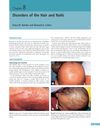
January 2013 in “Elsevier eBooks” The document reviews various hair and nail disorders, their causes, and treatments, emphasizing the need for proper diagnosis and the link between nail changes and systemic diseases.
 1 citations
,
January 2010 in “Elsevier eBooks”
1 citations
,
January 2010 in “Elsevier eBooks” Any drug can cause skin reactions, but antibiotics, NSAIDs, and psychotropic drugs are more common, with some reactions being life-threatening.
 1 citations
,
January 2009 in “Actas Dermo-Sifiliográficas”
1 citations
,
January 2009 in “Actas Dermo-Sifiliográficas” Docetaxel, a chemotherapy drug, was reported to cause psoriasis in a patient for the first time.
 1 citations
,
January 2001 in “American Journal of Kidney Diseases”
1 citations
,
January 2001 in “American Journal of Kidney Diseases” Hair loss in three Southeast Asian women with kidney failure may be linked to their anemia treatment with erythropoietin.
 1 citations
,
November 1987 in “Journal of The American Academy of Dermatology”
1 citations
,
November 1987 in “Journal of The American Academy of Dermatology” Isotretinoin can raise CPK levels, so patients need monitoring, especially before surgery.
 April 2026 in “Dermatology and Therapy”
 Pregnancy can cause skin changes and issues that need careful management.
 April 2026 in “Portuguese Journal of Dermatology and Venereology”
 COVID-19 and its vaccines can cause various skin issues due to viral effects, immune responses, and stress.
 February 2026 in “International Journal of Homoeopathic Sciences”
 Individualized homeopathic treatment with Lycopodium clavatum may help manage alopecia areata and improve related emotional symptoms.
 January 2026 in “Dermatology Practical & Conceptual”
 Nail changes are common in alopecia areata and can indicate its severity.

Doxycycline or flucloxacillin can cause a rare, severe skin reaction that can be fatal, especially in the elderly.
 January 2025 in “International Journal of Dermatology Sciences”
 Nail changes in alopecia areata are common and may indicate severity and genetic risk.
 September 2024 in “International Journal of Research and Review”
 Wiesbaden 30C effectively reduces hair fall and improves hair growth in young adults with Telogen Effluvium.
 January 2024 in “Dermatology practical & conceptual”
 Male gender and family history predict alopecia areata recurrence.
 January 2024 in “International Journal of Dermatology Research”
 PRP is more effective than triamcinolone for treating alopecia areata.
 December 2023 in “Asian journal of medical sciences”
 Psoriasis is the most common cause of erythroderma, and proper medical follow-up is crucial.
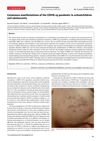 January 2023 in “Acta dermatovenerologica Alpina, Pannonica et Adriatica (Tiskana izd.)”
 The article concludes that schoolchildren and adolescents experienced various skin issues during the COVID-19 pandemic, including acne from masks and other skin reactions from the virus and vaccines.
 September 2022 in “Revista de la Asociación Colombiana de Dermatología y Cirugía Dermatológica”
 Skin symptoms appear in up to 20% of Covid-19 cases.
 March 2022 in “Journal of Clinical Case Studies Reviews & Reports”
 COVID-19 can cause or worsen skin conditions and might show early signs of infection.
 March 2022 in “Journal of clinical case studies reviews & reports”
 COVID-19 can cause different skin issues, including rashes and hair loss.
 January 2022 in “Al-Azhar Medical Journal”
 Higher antigliadin antibody levels are linked to alopecia areata severity.
 October 2021 in “Dermatology Reports”
 Higher IL-17A levels indicate more severe alopecia areata.
 January 2020 in “Medpulse International Journal of Medicine”
 Nail and hair changes are common in severe chronic kidney disease and should be treated to improve patients' quality of life.
The document concludes that diagnosing female hair loss requires careful examination, with treatments varying by condition and psychological support often necessary.