 January 2026 in “Frontiers in Microbiology”
 Enterococcus faecium broth may slow aging and improve health by boosting immunity and gut bacteria.
 July 2022 in “The journal of investigative dermatology/Journal of investigative dermatology”
 Silybum marianum extract, Manganese PCA, and Lespedeza capitata extract may help with hair growth and anchorage, potentially aiding in hair loss treatment.
 January 2025 in “International Journal of Advanced Biochemistry Research”
 Alpha linolenic acid and linoleic acid help treat inflammatory skin conditions in dogs.
 3 citations
,
April 2019 in “Annals of hepatology”
3 citations
,
April 2019 in “Annals of hepatology” Peanut allergies can be transferred through organ transplants.
2 citations
,
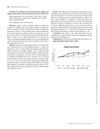
November 2025 in “Nutrition Journal” Probiotic supplements may help reduce inflammation and oxidative stress in women with PCOS.
 1 citations
,
June 2019 in “Current developments in nutrition”
1 citations
,
June 2019 in “Current developments in nutrition” A combination of arginine silicate complex and magnesium biotinate improves hair and nail growth in rats.
 13 citations
,
May 2019 in “Cancer Prevention Research”
13 citations
,
May 2019 in “Cancer Prevention Research” Grape seed extract may safely and effectively help prevent lung cancer.
 November 2022 in “Journal of Investigative Dermatology”
 Fish-derived collagen may help hair grow longer and affect hair stem cells, while bovine collagen could benefit hair stem cell maintenance, potentially aiding in hair loss conditions.
12 citations
,
May 2005 in “Journal of the American Geriatrics Society” Stopping valproate and using lactulose can quickly treat valproate-induced hyperammonemia.
 January 2015 in “Journal of Nutrition and Health”
 Fish oil improves hair growth in diabetic and high-cholesterol rats.
 January 2021 in “Research journal for veterinary practitioners”
 The document does not determine if essential fatty acids improve rabbit skin health.
 1 citations
,
August 2022 in “International journal of biological and chemical sciences”
1 citations
,
August 2022 in “International journal of biological and chemical sciences” Iodine-deficient diets and antithyroid substances affected rat growth and behavior, but most adapted with positive weight gain.
May 2021 in “Indian journal of forensic medicine and toxicology” Eating too much clove can cause serious liver damage.
October 2008 in “Trace Elements and Electrolytes” Tailored supplementation of calcium, magnesium, and vitamin D based on hair analysis may improve bone health.
 June 2017 in “Jurnal Biomedik : JBM”
 Broiler chicken meat extract increases body weight, visceral fat, and hair production in young male Wistar rats.
3 citations
,
January 1982 in “Australian journal of biological sciences” Ethionine significantly inhibits wool growth in sheep but not hair growth in mice or rats.
June 2024 in “Indian Journal of Veterinary Medicine” The young goat had anaplasmosis and copper deficiency.
 79 citations
,
January 2017 in “Dermatology practical & conceptual”
79 citations
,
January 2017 in “Dermatology practical & conceptual” Correcting nutrient deficiencies may help with hair loss, but the benefits of supplements without a deficiency are uncertain and could be harmful.
 20 citations
,
November 1943 in “Experimental Biology and Medicine”
20 citations
,
November 1943 in “Experimental Biology and Medicine” Inositol helped prevent and cure hair loss in rats.
 January 1993 in “Inpharma Weekly”
 A new food supplement was highly effective in curing hair loss in young men.
4 citations
,
March 1979 in “Journal of Animal Science” Protein blocks with urea are as effective as traditional supplements for pregnant mares.
 November 2024 in “Fermentation”
 Fermented ginsenosides from kimchi bacteria may promote hair growth better than finasteride.
 41 citations
,
March 2007 in “Journal of dermatological science”
41 citations
,
March 2007 in “Journal of dermatological science” Taking L-cystine and vitamin B6 can prevent hair loss caused by smoke in mice.
99 citations
,
February 2023 in “Cellular and Molecular Immunology” January 2023 in “Figshare” Triple therapy with clobetasol, hydroxychloroquine, and N-acetylcysteine is recommended for better outcomes in treating lichen planopilaris.
 78 citations
,
December 2011 in “Clinical toxicology”
78 citations
,
December 2011 in “Clinical toxicology” Excessive selenium from a supplement caused toxicity but patients recovered with care.

Vinegar-processed black soybean helps hair growth and prevents hair loss.
 May 2020 in “Current developments in nutrition”
 Low dose finasteride doesn't change lipid profile or metabolic parameters in mice.
June 2018 in “Korean Journal of Family Practice”