15 citations
,
January 2015 in “International journal of medical research and health sciences” Platelet rich plasma is as effective as triamcinolone for treating alopecia areata.
 8 citations
,
June 2020 in “The Journal of Clinical Endocrinology and Metabolism”
8 citations
,
June 2020 in “The Journal of Clinical Endocrinology and Metabolism” Taking 5α-reductase inhibitors with prednisolone can worsen its negative effects on metabolism.
 June 2017 in “Journal of The American Academy of Dermatology”
 Tapinarof cream at 1% concentration is effective and better tolerated for treating atopic dermatitis than the 2% concentration.
August 2018 in “Dermatologic Surgery” 43 citations
,
November 2009 in “Archives of dermatology” Alefacept does not effectively treat severe alopecia areata.
1 citations
,
July 2024 in “Clinical Case Reports” An 8-year-old with scalp fungus was successfully treated with Terbinafine, preventing hair loss and spread.
33 citations
,
May 1984 in “Journal of Pharmacy and Pharmacology” Liposomes are not better than acetone for applying DHT on skin.
13 citations
,
January 2018 in “International Journal of Trichology” Intralesional triamcinolone injections can effectively stop frontal fibrosing alopecia with minimal side effects.
 5 citations
,
August 2018 in “PubMed”
5 citations
,
August 2018 in “PubMed” An 8-year-old with severe hair loss regrew all hair after six months of tofacitinib treatment.
21 citations
,
March 2003 in “Acta Dermato Venereologica” Tacalcitol ointment effectively improves bilateral nevus comedonicus.
December 2022 in “Journal of The European Academy of Dermatology and Venereology” The 7.1% withdrawal rate was in the oral finasteride group, not the topical one.
11 citations
,
July 1984 in “Australian Veterinary Journal” Some treatments worked for horse ringworm, but mass treatment should focus on stopping infection spread, not just hair regrowth.
9 citations
,
September 2010 in “Dermatologic therapy” Combining cetirizine and topical steroids can effectively manage severe lichen planus pilaris.
2 citations
,
November 2011 in “Current psychiatry”  May 2018 in “European Journal of Dermatology”
 Adjusting the medication tacrolimus resolved a boy's red nail beds after a stem cell transplant.
 2 citations
,
January 2011 in “Andrologia”
2 citations
,
January 2011 in “Andrologia” Flutamide and a new synthetic steroid affected brain and prostate chemicals and showed potential for treating androgen-related conditions and epilepsy.
 July 2023 in “Skin Research and Technology”
 Baricitinib combined with other immune therapies may safely and effectively treat severe scalp hair loss.
The FDA did not approve a testosterone drug because of safety concerns.
May 2025 in “Reactions Weekly”  4 citations
,
December 1994 in “PubMed”
4 citations
,
December 1994 in “PubMed” Cyproterone acetate with estradiol improved women's self-confidence and emotional well-being without a difference between oral or transdermal methods, but younger women preferred the oral method.
43 citations
,
January 2015 in “Journal of Cutaneous Medicine and Surgery” Most patients improved with oral antibiotics, but some needed long-term treatment or had minimal response.
 232 citations
,
June 1975 in “Journal of Steroid Biochemistry”
232 citations
,
June 1975 in “Journal of Steroid Biochemistry” Cyproterone acetate is effective for acne but less so for hirsutism and alopecia, with some side effects and quick menstrual cycle recovery after treatment.
 31 citations
,
September 2014 in “International Journal of Dermatology”
31 citations
,
September 2014 in “International Journal of Dermatology” Anthralin is effective for psoriasis and alopecia with minimal systemic side effects but can irritate the skin.
 5 citations
,
December 2011 in “Drug Research”
5 citations
,
December 2011 in “Drug Research” CB-03-01 is a promising skin cream for treating hormone-related skin problems without causing harmful body-wide effects.
4 citations
,
June 1963 in “Archives of Dermatology” Prednisolone can quickly regrow hair in alopecia universalis, but hair falls out after stopping it.
 6 citations
,
April 2013 in “International Journal of Dermatology”
6 citations
,
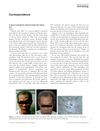
April 2013 in “International Journal of Dermatology” Valproic acid helped hair growth in alopecia patient; more research needed.
24 citations
,
November 1992 in “Archives of Dermatology” Prednisone can regrow hair in alopecia areata, and minoxidil helps maintain it.
2 citations
,
September 2015 in “Türk pediatri arşivi : İstanbul çocuk kliniği dergisi” Valproic acid can very rarely cause nail separation, which usually gets better on its own after stopping the drug.
39 citations
,
January 1977 in “Dermatology” The treatment cleared psoriasis in some patients but caused side effects in most.
15 citations
,
August 2002 in “British Journal of Ophthalmology” Intralesional cidofovir might be a viable alternative treatment for certain conditions.