3 citations
,
July 2025 in “Clinical and Experimental Dermatology” Ritlecitinib may be more effective for severe alopecia areata than conventional treatments.
 13 citations
,
January 2020 in “Nanoscale”
13 citations
,
January 2020 in “Nanoscale” Finasteride and baicalin in phospholipid vesicles effectively promote hair growth and increase follicle count.
 November 2024 in “SKIN The Journal of Cutaneous Medicine”
 Baricitinib is widely used for several conditions, especially COVID-19, but its safety and effectiveness are still being evaluated.
2 citations
,
February 2025 in “Archives of Dermatological Research” Baricitinib is a safe and effective alternative for alopecia areata patients who do not respond to tofacitinib.
 March 2005 in “Journal of The American Academy of Dermatology”
 Two cosmetic lotions used day and night may be a good alternative to minoxidil for hair loss treatment with better cosmetic effects and tolerance.
January 2023 in “Figshare” Triple therapy with clobetasol, hydroxychloroquine, and N-acetylcysteine is recommended for better outcomes in treating lichen planopilaris.
 May 2013 in “Reactions Weekly”
 Using minoxidil can cause severe skin reactions in some people.
 September 2023 in “Cureus”
 Early recognition and treatment of atypical alopecia areata in infants are crucial.
14 citations
,
July 2021 in “Journal of the American Academy of Dermatology” Topical dapsone gel reduced flare-ups in folliculitis decalvans without side effects.
August 2022 in “Journal of Investigative Dermatology” Baricitinib reduces inflammation and mitochondrial damage in skin cells.
27 citations
,
June 2017 in “Expert opinion on investigational drugs” New anti-acne medications are being tested to offer alternatives to current treatments.
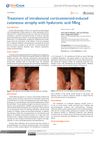 1 citations
,
July 2018 in “Journal of dermatology & cosmetology”
1 citations
,
July 2018 in “Journal of dermatology & cosmetology” Hyaluronic acid successfully treated skin atrophy caused by corticosteroid injections.
September 2023 in “Minia Journal of Medical Research” Intralesional vitamin D3 is a safe, effective treatment for patchy alopecia areata.
Combining excimer lamp and tofacitinib gel may help treat hair loss in children.
1 citations
,
December 1971 in “PubMed”  51 citations
,
January 2012 in “Annals of dermatology/Annals of Dermatology”
51 citations
,
January 2012 in “Annals of dermatology/Annals of Dermatology” A boy with alopecia regrew hair using a vitamin D cream after other treatments failed.
 July 2013 in “Our Dermatology Online”
 Minoxidil 2% is more effective than tacrolimus 0.1% for hair regrowth in mild to moderate patchy hair loss, and combining both might give better results.
 December 2025 in “Педиатрическая фармакология”
 Tofacitinib is more effective than traditional treatments for severe alopecia areata in children.
January 2005 in “Digest of the World Core Medical Journals” Oral zinc gluconate and topical steroids significantly improved a rare scalp condition in three elderly patients.
 1 citations
,
September 2023 in “Journal of the American Academy of Dermatology”
1 citations
,
September 2023 in “Journal of the American Academy of Dermatology” Baricitinib helps regrow hair and improves quality of life and mental health in severe alopecia areata patients.
 73 citations
,
March 2014 in “Journal of The American Academy of Dermatology”
73 citations
,
March 2014 in “Journal of The American Academy of Dermatology” Most dermatologic medications are safe during pregnancy and breastfeeding, but some should be avoided due to potential risks.
14 citations
,
February 2013 in “PubMed” Patients treated with long-term intralesional corticosteroids for alopecia areata should be monitored for bone density changes and advised on osteoporosis prevention.
July 2024 in “Journal of Investigative Dermatology” Tailored treatments for alopecia areata show promising results, with pulse steroids effective for mild cases and Ritlecitinib, Dupilumab, or methotrexate and prednisone effective for severe cases.
Neurosteroids help regulate oxytocin levels, especially during stress and pregnancy, to protect against premature labor.
21 citations
,
November 2022 in “Clinical Cosmetic and Investigational Dermatology” Herbal treatments may help manage seborrhea dermatitis effectively.
Combining pentoxifylline with corticosteroids improves alopecia areata treatment.
Topical corticosteroids are effective for skin conditions but can have side effects.
 28 citations
,
January 2016 in “Vitamins and hormones”
28 citations
,
January 2016 in “Vitamins and hormones” Thymosin β4 helps improve skin healing and reduce scarring.
 13 citations
,
November 2021 in “Pediatric Dermatology”
13 citations
,
November 2021 in “Pediatric Dermatology” Tofacitinib taken by mouth helps treat hair loss in children.