12 citations
,
October 1952 in “Experimental biology and medicine” Vitamin B12 and aureomycin reduce the negative effects of high doses of cortisone in rats.
28 citations
,
March 2013 in “Journal of Investigative Dermatology” Kv1.3 blockers may help treat alopecia areata and promote hair regrowth.
December 2025 in “Indian Dermatology Online Journal” Improved diagnosis and affordable topical treatments are essential for managing alopecia areata in India.
64 citations
,
April 2005 in “Journal of Investigative Dermatology” Topical oligonucleotide therapy targets hair follicles effectively.
2 citations
,
August 2002 in “British Journal of Ophthalmology” Tangent screens help detect visual field defects from vigabatrin.
17 citations
,
October 2024 in “Journal of the American Academy of Dermatology” Brepocitinib effectively reduces inflammation and improves symptoms in cicatricial alopecia with good safety.
February 2026 in “Journal of Cosmetic Dermatology” Combining triamcinolone acetonide with cryotherapy may reduce scalp hair loss more than using triamcinolone alone.
19 citations
,
October 2015 in “British Journal of Dermatology” Diphenylcyclopropenone's effectiveness and safety for alopecia areata are unclear.
 17 citations
,
January 2019 in “Dermatologic Therapy”
17 citations
,
January 2019 in “Dermatologic Therapy” Tofacitinib is effective and safe for long-term treatment of severe alopecia areata, with many patients achieving complete hair regrowth.
1 citations
,
June 2019 in “Journal of Cutaneous Immunology and Allergy” Squaric acid dibutylester can cause severe skin reactions in people with allergies.
 January 2007 in “Inpharma Weekly”
 Dutasteride is more effective for male pattern baldness than finasteride, and black cohosh extract BNO 1055 is as effective as conjugated estrogens in treating postmenopausal symptoms, with added benefits in reducing sweating and mental symptoms.
January 2000 in “Europe PMC (PubMed Central)” 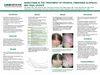 November 2025 in “SKIN The Journal of Cutaneous Medicine”
 Baricitinib shows promise in improving frontal fibrosing alopecia symptoms.
January 2016 in “Portuguese National Funding Agency for Science, Research and Technology (RCAAP Project by FCT)” Topical finasteride formulations can treat hair loss effectively with fewer side effects.
33 citations
,
May 2001 in “Annals of pharmacotherapy/The annals of pharmacotherapy” Topical tacrolimus is safe and effective for skin conditions, but oral tacrolimus has serious side effects.
 1 citations
,
November 2023 in “Journal of the European Academy of Dermatology and Venereology”
1 citations
,
November 2023 in “Journal of the European Academy of Dermatology and Venereology” Baricitinib helps with early hair regrowth in people with alopecia areata.
10 citations
,
October 2019 in “Australasian Journal of Dermatology” Secukinumab effectively treated a difficult case of folliculitis decalvans.
 November 2025 in “Turkish Journal of Dermatology”
 Both baricitinib and tofacitinib effectively reduce alopecia areata severity, with tofacitinib showing more improvement over longer use.
4 citations
,
July 2015 in “Clinical, cosmetic and investigational dermatology” The shampoo is very effective and safe for use after hair transplants.
 February 2022 in “Scientia Pharmaceutica”
 Different hair loss treatment ingredients work well with TrichoTech™ vehicles for 3 to 6 months, making them good for use in hair treatments.
July 2021 in “International Journal of Applied Pharmaceutics” The finasteride nanogel could be an effective topical treatment for hair loss.
1 citations
,
December 2024 in “Indian Dermatology Online Journal” Biologics and small molecules can effectively treat inflammatory nail disorders, but personalized treatment plans are important.
1 citations
,
February 2005 in “The Journal of Laryngology & Otology” A fungal infection in the neck caused severe breathing issues, treated successfully with antibiotics and antifungal medication.
1 citations
,
April 2007 in “PubMed” Tacrolimus helps mice grow hair by activating hair follicles.
 59 citations
,
September 2008 in “Journal of Burn Care & Research”
59 citations
,
September 2008 in “Journal of Burn Care & Research” Nitric oxide gel helps heal skin burns faster by improving skin growth, hair regrowth, and blood vessel formation.
 July 2023 in “Journal of Drug Delivery Science and Technology”
 Finasteride niosomes were developed and found to be effective in treating hair loss, with better results than commercial minoxidil, and could be a promising topical treatment for hair loss.
 July 2022 in “المجلة العراقية للصيدلة”
 Azelaic acid 20% cream works well for treating scalp alopecia areata and can be an alternative to clobetasol ointment.
 October 2018 in “Annals of oncology”
 Topical calcitriol (BPM31543) is safe for preventing hair loss from chemotherapy and shows some effectiveness.
30 citations
,
November 2024 in “ACS Materials Au” Microneedles are promising for disease monitoring and drug delivery due to their minimal invasiveness and versatility.