January 2026 in “PubMed Central” Clobetasol is more effective than metformin for treating localized alopecia areata.
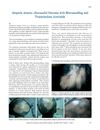
 July 2013 in “Our Dermatology Online”
 Oral methylprednisolone pulse therapy helped an 11-year-old regrow 80% of his hair in six months.
13 citations
,
August 1995 in “British Journal of Dermatology” Topical immunotherapy is more effective than dapsone for treating severe alopecia areata.
 1 citations
,
November 2023 in “International Journal of Dermatology”
1 citations
,
November 2023 in “International Journal of Dermatology” Topical calcineurin inhibitors might be safer than steroids for scarring alopecia, but more research is needed.
1 citations
,
July 2023 in “Pharmaceutics” New microneedles deliver drugs through the skin accurately and effectively.
 June 2024 in “Indian Dermatology Online Journal”
 Topical tofacitinib is effective and safe for treating alopecia areata.
 4 citations
,
December 2024 in “Clinical Cosmetic and Investigational Dermatology”
4 citations
,
December 2024 in “Clinical Cosmetic and Investigational Dermatology” Combining baricitinib with UV-B therapy effectively treats non-segmental vitiligo and is well-tolerated.
May 2026 in “International Journal of Applied Pharmaceutics” The nanoemulsion of Avicennia marina extract effectively fights dandruff.
 July 2021 in “International journal of dermatology, venereology and leprosy sciences”
 Diphenylcyclopropenone is more effective and has fewer side effects than dinitrochlorobenzene for treating alopecia areata.
 November 2016 in “Faridpur Medical College Journal”
 Betamethasone oral mini-pulse therapy showed good or fair results in treating lichen planus.
75 citations
,
September 1971 in “British Journal of Dermatology” Both steroids effectively promote hair growth for at least 9 months.
1 citations
,
January 2000 in “PubMed” The treatment slightly increased hair growth and was safe for most women.
 48 citations
,
February 2025 in “Nano-Micro Letters”
48 citations
,
February 2025 in “Nano-Micro Letters” Microneedles offer a promising, painless way to treat skin diseases but need improvements for better use.
April 2017 in “The journal of investigative dermatology/Journal of investigative dermatology” Topical Vorinostat shows promise for treating alopecia areata by promoting hair regrowth.
15 citations
,
June 1961 in “Archives of Dermatology” Triamcinolone can regrow hair in alopecia areata, but the effect is temporary.
 January 2021 in “Social Science Research Network”
 The new treatment using tiny lipid carriers to deliver minoxidil and latanoprost directly to hair follicles shows promise for alopecia.
15 citations
,
February 1987 in “Archives of Dermatology” Topical cyclosporine lotion led to noticeable hair regrowth in alopecia universalis.
 August 2025 in “Macromolecular Bioscience”
 Microneedles with minoxidil and nitric oxide improve hair growth effectively and painlessly.
2 citations
,
May 2022 in “Advanced therapeutics” A new microneedle system effectively delivers a vasodilator to hair follicles, promoting hair growth better than current treatments.
5 citations
,
January 1991 in “Acta Dermato Venereologica” Topical cyclosporin promotes hair growth.
 October 2023 in “Dermatology practical & conceptual”
 Pulse corticosteroids help regrow hair in alopecia areata but have side effects, especially betamethasone.
 4 citations
,
November 2021 in “Journal of Cosmetic Dermatology”
4 citations
,
November 2021 in “Journal of Cosmetic Dermatology” QR678 and QR678 Neo treatments, combined with corticosteroid injections, work better for alopecia areata than corticosteroid injections alone.
 July 2023 in “Clinical and Experimental Dermatology”
 Combining baricitinib with low-dose corticosteroids significantly improved severe hair loss in eight patients.
 53 citations
,
January 2014 in “Journal of Cutaneous and Aesthetic Surgery”
53 citations
,
January 2014 in “Journal of Cutaneous and Aesthetic Surgery” Microneedling combined with triamcinolone can safely stimulate faster hair regrowth in people with Alopecia Areata.
Intralesional steroids are the most effective treatment for alopecia areata.
March 2023 in “Reactions Weekly”  June 2017 in “Journal of The American Academy of Dermatology”
 Tapinarof cream at 1% concentration is effective and better tolerated for treating atopic dermatitis than the 2% concentration.
October 2022 in “Dermatologic Therapy” Both treatments for resistant alopecia areata were equally effective.
 25 citations
,
April 2019 in “Journal of The American Academy of Dermatology”
25 citations
,
April 2019 in “Journal of The American Academy of Dermatology” Using 2% tofacitinib cream with narrowband ultraviolet B improved facial vitiligo by 70% in patients who didn't respond to previous treatments, with no side effects reported.
 July 2018 in “DOAJ (DOAJ: Directory of Open Access Journals)”
 The new gel formula could improve the delivery of a hair loss treatment through the skin and might be an alternative to taking it by mouth.