 6 citations
,
November 1997 in “International Journal of Dermatology”
6 citations
,
November 1997 in “International Journal of Dermatology” Women with acne and irregular periods had higher active testosterone levels, which could suggest the usefulness of antiandrogen treatment.
 47 citations
,
August 2016 in “Fitoterapia”
47 citations
,
August 2016 in “Fitoterapia” Some herbs and their components might help treat hair loss by affecting various biological pathways, but more research and regulation are needed.
29 citations
,
November 1975 in “Clinics in endocrinology and metabolism” Testosterone is made by Leydig cells, is active when not bound to proteins, and works by binding to receptors in muscles and other tissues.
179 citations
,
May 1982 in “The Journal of clinical investigation/The journal of clinical investigation” High levels of 3 alpha-diol glucuronide in the blood are a marker of increased androgen action in women with excessive hair growth of unknown cause.
 November 1983 in “American Biology Teacher”
 Pattern baldness is likely caused by a dominant gene influenced by testosterone levels, making it more common in men.
 September 1998 in “Journal of The European Academy of Dermatology and Venereology”
 The conclusion is that proper recognition and treatment of skin conditions are crucial for the elderly due to changes in skin, nails, and hair with age, and the impact of these conditions on health and mobility.
 6 citations
,
June 2000 in “Psychiatric Services”
6 citations
,
June 2000 in “Psychiatric Services” Maintaining sexual health after menopause is possible with patient approaches, hormone supplements, and therapy, despite needing more research.
 June 2021 in “EBioMedicine”
 The authors maintain that shorter androgen receptor alleles may lead to milder COVID-19 by positively affecting the immune response, not due to changes in testosterone levels or activity.
 44 citations
,
January 2007 in “Biological & pharmaceutical bulletin”
44 citations
,
January 2007 in “Biological & pharmaceutical bulletin” Black pepper leaf extract contains compounds that can block testosterone effects and promote hair growth.
 38 citations
,
January 2002 in “Biological & Pharmaceutical Bulletin”
38 citations
,
January 2002 in “Biological & Pharmaceutical Bulletin” Lygodii Spora extract may help treat hair loss by blocking a hair loss-related enzyme and promoting hair growth.
January 2019 in “The Pharma Innovation Journal” The best mix for a hair loss treatment cream is 10% Sophora japonica tincture and 5% Serenoa repens extract.
 November 2024 in “Indus journal of bioscience research.”
 Funnel seed extract may help balance hormones in PCOS.
 October 2025 in “Scientific Reports”
 AR gene variations don't affect aging markers in men.
 165 citations
,
February 2014 in “Phytotherapy Research”
165 citations
,
February 2014 in “Phytotherapy Research” Myrtle has various health benefits and potential for medicine development.
 59 citations
,
October 2020 in “Stem Cell Reviews and Reports”
59 citations
,
October 2020 in “Stem Cell Reviews and Reports” Men have higher COVID-19 mortality rates than women due to biological and lifestyle factors.
 40 citations
,
March 1982 in “British Journal of Dermatology”
40 citations
,
March 1982 in “British Journal of Dermatology” Young women with diffuse hair loss may have low SHBG levels, which could lead to more active testosterone and contribute to their hair loss.
 255 citations
,
October 1985 in “The Journal of Clinical Endocrinology & Metabolism”
255 citations
,
October 1985 in “The Journal of Clinical Endocrinology & Metabolism” Spironolactone treatment increases the amount of testosterone available in the body.
 16 citations
,
August 2007 in “Histopathology”
16 citations
,
August 2007 in “Histopathology” A woman's rare adrenal tumor caused high testosterone and cortisol levels, which normalized after the tumor was removed.
 January 2023 in “Advances in pharmacology and clinical trials”
 Human hair is a significant sample for various tests in clinical, nutritional, archaeological, and forensic studies.
 April 2019 in “Journal of Investigative Dermatology”
 Testosterone affects androgen receptors and lipid storage in cells, while DHEA does not convert to testosterone or affect these receptors in the same way.
 48 citations
,
April 2010 in “Journal of the European Academy of Dermatology and Venereology”
48 citations
,
April 2010 in “Journal of the European Academy of Dermatology and Venereology” Men are more likely to get infectious skin diseases, while women are more prone to autoimmune and pigment-related skin conditions, influenced by biological and environmental factors.
 37 citations
,
January 2015 in “Evidence-based Complementary and Alternative Medicine”
37 citations
,
January 2015 in “Evidence-based Complementary and Alternative Medicine” An extract from Quercus acutissima bark was found to reduce sebum production and block an enzyme linked to acne.
Menopause is a clear hormonal transition in women, while men experience a gradual testosterone decline, with some needing lifestyle changes and targeted therapy.
 3 citations
,
January 2016 in “Elsevier eBooks”
3 citations
,
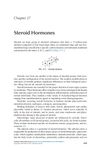
January 2016 in “Elsevier eBooks” Steroid hormones are crucial for body functions and have various medical uses, but their misuse can lead to dependence.
 23 citations
,
August 2005 in “Expert opinion on pharmacotherapy”
23 citations
,
August 2005 in “Expert opinion on pharmacotherapy” New treatments for low male hormones improved sexual function and mood but had unclear risks, especially for older men.
 September 2014 in “Springer eBooks”
 Men and women experience skin aging differently due to changes in sex hormone levels with age.
 66 citations
,
August 1999 in “The Journal of Clinical Endocrinology & Metabolism”
66 citations
,
August 1999 in “The Journal of Clinical Endocrinology & Metabolism” Women with acromegaly often have irregular periods due to hormone imbalances and growth hormone effects.
 53 citations
,
May 1986 in “Clinics in endocrinology and metabolism”
53 citations
,
May 1986 in “Clinics in endocrinology and metabolism” Androgens like testosterone affect hair growth and oil production differently across body parts and individuals.
 29 citations
,
December 1998 in “Seminars in Cutaneous Medicine and Surgery”
29 citations
,
December 1998 in “Seminars in Cutaneous Medicine and Surgery” New treatments for hair loss show promise, especially finasteride for men and a stronger minoxidil formula.
 16 citations
,
January 2000 in “The Journal of clinical endocrinology and metabolism/Journal of clinical endocrinology & metabolism”
16 citations
,
January 2000 in “The Journal of clinical endocrinology and metabolism/Journal of clinical endocrinology & metabolism” Antiandrogen drugs can reduce PSA levels in women with excess hair, suggesting PSA is a sign of male hormone activity in women.