 40 citations
,
March 2017 in “The journal of investigative dermatology/Journal of investigative dermatology”
40 citations
,
March 2017 in “The journal of investigative dermatology/Journal of investigative dermatology” Growing hair follicles have high mitochondrial activity and ROS in specific regions, aiding hair formation.
1 citations
,
March 2023 in “Anais Brasileiros de Dermatologia” 175 citations
,
August 1997 in “Nature Genetics” 2 citations
,
October 1931 in “Archives of Dermatology and Syphilology” A rare scalp infection in a child developed into a kerion with additional skin symptoms.
10 citations
,
April 2009 in “Oncology Reports” Bald-headed individuals may need early non-invasive detection for skin changes linked to cancer risk.
October 2023 in “Clinical and Experimental Dermatology” Syphilitic alopecia can look like alopecia areata, so careful diagnosis is important.
 3 citations
,
July 2013 in “Journal of Cutaneous Pathology”
3 citations
,
July 2013 in “Journal of Cutaneous Pathology” A woman's hair loss, resembling an autoimmune condition, improved after treatment, but requires ongoing checks due to potential serious associations.
 1 citations
,
October 2014 in “Paediatrics and Child Health”
1 citations
,
October 2014 in “Paediatrics and Child Health” The document concludes that proper diagnosis and management of hair loss in children require a detailed examination and understanding of various hair disorders.
 5 citations
,
February 2015 in “Dermatologic Surgery”
5 citations
,
February 2015 in “Dermatologic Surgery” Two cases of a rare skin condition were successfully treated with laser therapy, offering a non-surgical treatment option.
November 2023 in “Journal of Investigative Dermatology” EGFR-targeted cancer therapy can cause skin issues starting at hair follicles, leading to inflammation.
The man has patchy hair loss likely due to alopecia areata.
January 2012 in “Open MIND” Oral minoxidil can cause painful skin bumps and scarring in some people.
 5 citations
,
May 2021 in “BMC surgery”
5 citations
,
May 2021 in “BMC surgery” A man's unusual scalp folds caused by a skin condition were treated with surgery and remained unchanged two years later.
23 citations
,
July 2016 in “JAMA Ophthalmology” CDH3-related disease causes worsening eye and hair issues.

Brunsting-Perry pemphigoid can cause scarring hair loss and may be underdiagnosed.
 September 2023 in “British Journal of Dermatology”
 Some cases of short anagen hair syndrome are linked to specific genetic variations that are also connected to male pattern baldness.
 January 2023 in “Indian Dermatology Online Journal”
 Micropigmentation is a cosmetic tattooing technique for hiding skin issues and creating permanent makeup, but it can have side effects.
107 citations
,
May 1999 in “Archives of Dermatological Research” Basal cell carcinoma may start from parts of tiny hair follicles.
January 2011 in “Yearbook of Dermatology and Dermatologic Surgery” October 2025 in “Portuguese Journal of Dermatology and Venereology” Accurate diagnosis of facial skin tumors requires detailed analysis to distinguish between benign and malignant types.
February 2021 in “PubMed” A 2-year-old girl had a hair disorder not shared by her identical twin.
2 citations
,
July 1994 in “Journal of Dermatological Science” Grafted human scalp samples on mice can produce human hair, useful for studying hair genetics.
March 2021 in “Revista da Associação Médica Brasileira” 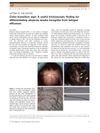 2 citations
,
March 2018 in “The Journal of Dermatology”
2 citations
,
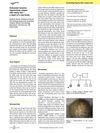
March 2018 in “The Journal of Dermatology” The "color-transition sign" helps tell apart alopecia areata incognita from telogen effluvium by looking at hair color changes.
 1 citations
,
August 2011 in “Dermatology Reports”
1 citations
,
August 2011 in “Dermatology Reports” Two siblings were found to have a genetic condition causing progressive hair loss and woolly hair, which may often be misdiagnosed.
The curly mutation in SELH/Bc mice affects hair and may help study human genetic disorders.
December 2012 in “Expert review of dermatology” New findings suggest the protein linked to Birt–Hogg–Dubé syndrome is important in cell signaling and could affect treatment understanding.
27 citations
,
September 1988 in “PubMed” Hair follicle shape determines hair type: curly, straight, or in-between.
March 2022 in “International Journal of Trichology” Erlotinib can cause unusual hair growth, like long eyelashes and facial hair.
47 citations
,
March 1987 in “The Journal of dermatologic surgery and oncology” Carbon dioxide laser treatment effectively removed facial hair cysts without scarring or them coming back.