 6 citations
,
July 2015 in “Australasian Journal of Dermatology”
6 citations
,
July 2015 in “Australasian Journal of Dermatology” A man developed an allergic skin reaction after using brimonidine for rosacea.
July 2022 in “British Journal of Dermatology” New treatments for skin diseases in 1979 showed promising results with fewer side effects.
June 2015 in “Reactions weekly” December 2012 in “Reactions weekly” 1 citations
,
January 2008 in “SKINmed Dermatology for the Clinician” Treatment with prednisolone and dapsone stopped new blisters and partially healed previous ones.
 May 2017 in “Journal of The American Academy of Dermatology”
 The treatment increased hair follicle counts and is potentially effective for male hair loss without serious side effects.
 September 2023 in “International Journal of Applied Pharmaceutics”
 The formulated gel is a promising treatment for alopecia areata.
13 citations
,
January 2010 in “Immunopharmacology and immunotoxicology” Diphencyprone increases Bcl-2 protein in patients with hair regrowth from alopecia areata.
The document corrects a mistake by stating that pimecrolimus, not tacrolimus, is the drug that concentrates in the skin.
 September 2025 in “Tạp chí Da liễu học Việt Nam”
 2.5 mg/mL TAC is as effective and safe as 5 mg/mL, but 5 mg/mL may improve hair regrowth and density more.
 November 2016 in “Faridpur Medical College Journal”
 Betamethasone oral mini-pulse therapy showed good or fair results in treating lichen planus.
 May 2024 in “Journal of cosmetic dermatology”
 Heat-treated Limosilactobacillus fermentum with menthol, salicylic acid, and panthenol promotes hair growth and balances scalp microbiome in people with androgenetic alopecia.
 11 citations
,
August 2007 in “Bioorganic & Medicinal Chemistry Letters”
11 citations
,
August 2007 in “Bioorganic & Medicinal Chemistry Letters” Scientists made a chemical (compound 4e) that can be applied on skin to reduce oil production, which can help with acne, but it might cause skin sensitivity to light.
January 2023 in “Reactions Weekly” March 2023 in “Reactions Weekly” January 2023 in “Reactions Weekly” January 2023 in “Reactions Weekly” 10 citations
,
August 2019 in “European Journal of Dermatology” The document did not conclude on apremilast's effectiveness for severe alopecia areata.
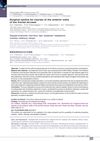 December 2025 in “Голова и шея.”
 The (bi)eyebrow approach is better for frontal sinus injuries, reducing scarring and complications.
January 2021 in “Journal of clinical & experimental dermatology research” The new 5% minoxidil formulation without propylene glycol effectively promotes hair growth with fewer side effects and better user satisfaction.
 12 citations
,
September 2018 in “International Journal of Cosmetic Science”
12 citations
,
September 2018 in “International Journal of Cosmetic Science” Palmitoyl tetrapeptide-20 may help reduce hair greying and increase melanin production.
34 citations
,
November 1974 in “Archives of Dermatology” Smaller, diluted corticosteroid injections reduce the risk of vision loss.
 16 citations
,
December 2008 in “Journal of The American Academy of Dermatology”
16 citations
,
December 2008 in “Journal of The American Academy of Dermatology” Adults with atopic dermatitis showed similar adherence to different forms of hydrocortisone cream, but actual use varied despite self-reports of near-perfect usage.
 2 citations
,
March 2021 in “Journal of Cosmetic Dermatology”
2 citations
,
March 2021 in “Journal of Cosmetic Dermatology” Combining platelet-rich plasma therapy with low dose oral minoxidil improved hair growth in men with hair loss, with slightly higher satisfaction at the higher minoxidil dose.
 9 citations
,
January 2017 in “Organic Process Research & Development”
9 citations
,
January 2017 in “Organic Process Research & Development” In 2017, a new method was created to efficiently produce a topical antiandrogen, a compound used to treat excess sebum and acne, with a high yield and purity.
The new minoxidil gel reduces runoff and improves eyebrow hair growth.
GHK-Cu and propolis may help prevent scalp aging and hair loss.
 18 citations
,
March 2014 in “Drug Development and Industrial Pharmacy”
18 citations
,
March 2014 in “Drug Development and Industrial Pharmacy” New gel formulas without ethanol and propylene glycol, containing a minoxidil-methyl-β-cyclodextrin complex, have been created for treating hair loss.