 8 citations
,
March 2019 in “Progress in Human Geography”
8 citations
,
March 2019 in “Progress in Human Geography” Hair significantly shapes body identity and social interactions, influencing how we perceive and relate to our bodies.
 7 citations
,
August 2018 in “South African Medical Journal”
7 citations
,
August 2018 in “South African Medical Journal” Clinicians should understand tattoos to manage health issues, as tattoos can cause complications and affect medical assessments.
 7 citations
,
January 2015 in “Evidence-based Complementary and Alternative Medicine”
7 citations
,
January 2015 in “Evidence-based Complementary and Alternative Medicine” The review suggests renaming two herbs to avoid confusion and recommends more research for safe use.
7 citations
,
January 2008 in “Journal of King Abdulaziz University-Medical Sciences” Watercress oil helps heal skin burns in rabbits.
7 citations
,
August 2006 in “Maturitas” Cimicifuga racemosa extract may help prevent and treat prostate issues by inhibiting 5α-reductase.
 6 citations
,
January 2020 in “Postepy Dermatologii I Alergologii”
6 citations
,
January 2020 in “Postepy Dermatologii I Alergologii” Trichoscopy is useful for diagnosing hair-pulling disorder.
 6 citations
,
January 2016 in “JAMA Dermatology”
6 citations
,
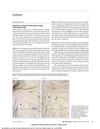
January 2016 in “JAMA Dermatology” Dirty dots are a common scalp finding in elderly women and can be washed away with shampoo.
 6 citations
,
March 2015 in “Journal of The American Academy of Dermatology”
6 citations
,
March 2015 in “Journal of The American Academy of Dermatology” Hair dye can make it hard to diagnose scalp conditions correctly.
 6 citations
,
May 2022 in “Frontiers in physiology”
6 citations
,
May 2022 in “Frontiers in physiology” Injecting CHIR-99021 into goose embryos improves feather growth by changing gene activity and energy processes.
 4 citations
,
February 2020 in “Journal of Cosmetic Dermatology”
4 citations
,
February 2020 in “Journal of Cosmetic Dermatology” Trichoscopy helps diagnose hairline recession causes in Egyptian women, with androgenetic alopecia being the most common.