 36 citations
,
October 2014 in “Langmuir”
36 citations
,
October 2014 in “Langmuir” Bleaching hair removes its protective top layer and exposes more hydrophilic groups, changing its chemical surface and affecting how it interacts with products.
31 citations
,
June 2010 in “Journal of dermatology” Hair bleaching causes significant damage to hair and skin.
30 citations
,
September 2018 in “International Journal of Cosmetic Science” Bleaching hair causes severe structural and chemical damage, including protein loss and oxidation.
29 citations
,
December 1998 in “European Respiratory Journal” Hair bleach can make rabbit airways more sensitive.
 28 citations
,
December 2011 in “Biocatalysis and biotransformation”
28 citations
,
December 2011 in “Biocatalysis and biotransformation” PDI helps restore over-bleached hair's strength and structure by attaching special peptides.
 10 citations
,
September 2020 in “Biopolymers”
10 citations
,
September 2020 in “Biopolymers” Hair's structure and properties change with pH; acidic pH maintains strength and less swelling, while alkaline pH increases water content and swelling.
 8 citations
,
January 2016 in “Journal of fiber science and technology”
8 citations
,
January 2016 in “Journal of fiber science and technology” Bleaching hair increases cysteic acid levels in a predictable way.
 5 citations
,
May 2022 in “Fashion and Textiles”
5 citations
,
May 2022 in “Fashion and Textiles” Hair conditioners with argan oil or camellia oil improve the strength and color of bleached hair.
 5 citations
,
July 2006 in “Contact dermatitis”
5 citations
,
July 2006 in “Contact dermatitis” Ammonium bisulfite in hair bleach can cause facial eczema.
 4 citations
,
August 2014 in “Journal of molecular structure”
4 citations
,
August 2014 in “Journal of molecular structure” Chemical treatments on bleached black hair change its internal structure by breaking and reforming bonds, and treatments with hydrolyzed eggwhite protein help repair it.
3 citations
,
September 2021 in “Data in brief” Bleaching hair changes its structure and weakens it, which is important for understanding hair damage and creating treatments.
 May 2026 in “Brazilian Journal of Hair Health”
 Bleaching damages hair the most, while dyes improve combability but still cause protein loss.
 July 2007 in “Clinical Risk”
 A woman got severe scalp burns from a salon's improper hair bleaching treatment.
 February 2021 in “Journal of the Korean Society of Cosmetology”
 Castor oil improves the texture of bleached hair by increasing its strength.
September 2025 in “International Journal of Cosmetic Science” Friction causes hair breakage during combing, and fragment count predicts hair strength.
 August 2024 in “Cosmetics”
 K18® and Olaplex® both effectively repair bleached hair, improving its strength, smoothness, and overall health.
 April 2023 in “Asia-pacific Journal of Convergent Research Interchange”
 Hair manicure improves the strength and condition of bleached hair.
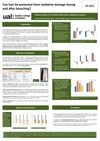 September 2018 in “University of the Arts London Research Online (University of the Arts London)”
 L-arginine, hydrolysed keratin, and cystine-silanol copolymer can help protect hair from damage during and after bleaching.
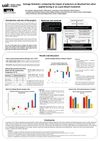 June 2017 in “University of the Arts London Research Online (University of the Arts London)”
 Polymers help reduce damage and improve bleached hair when used during or after bleaching.

Hair coloring and bleaching can permanently break down hair protein and temporarily change its properties.
Bleaching hair twice makes it very dry and weak.
March 2026 in “Journal of the mechanical behavior of biomedical materials/Journal of mechanical behavior of biomedical materials” Bleaching and UV exposure significantly damage hair.
December 2025 in “Journal of Forensic Sciences” Bleaching hair doesn't affect the accuracy of dye identification using SERS.
2 citations
,
June 2018 in “Cosmetics” AMPD is a better and less damaging alternative to ammonium hydroxide for hair bleaching.
Using aluminum foil for hair bleaching gives better copper blonde color.
October 2014 in “University of the Arts London Research Online (University of the Arts London)” Protein-derived ingredients can help strengthen bleached hair.
 4 citations
,
January 2011 in “Analytical Letters”
4 citations
,
January 2011 in “Analytical Letters” The method quickly and accurately measures minoxidil in drugs, comparable to standard techniques.
March 2024 in “Journal of functional biomaterials” A kimchi-derived bacterium could help whiten teeth and prevent bad breath.
20 citations
,
December 2006 in “Archives of dermatology” 2 citations
,
January 2017 in “Journal of veterinary emergency and critical care” A dog's facial chemical burn healed in 84 days with conservative treatment.