 September 2023 in “Journal of the American Academy of Dermatology”
 Children with alopecia areata, especially with Down syndrome or thyroid issues, should be screened for thyroid disease.
2 citations
,
May 2018 in “Dermatologic Surgery” January 2024 in “SAGE Open Medical Case Reports” The brothers have congenital ichthyosis, and the older brother's eye issues are due to different genetic mutations.
 41 citations
,
December 2008 in “Current Opinion in Ophthalmology”
41 citations
,
December 2008 in “Current Opinion in Ophthalmology” Certain eye surgery complications can be managed effectively, especially in patients who have used specific prostate medications.
2 citations
,
January 2010 in “PubMed” Current treatments for postmenopausal frontal fibrosing alopecia stop hair loss but don't regrow hair.
May 2015 in “European Journal of Paediatric Neurology” ECCL should be considered in patients with specific skin and eye lesions.
 19 citations
,
April 1995 in “Clinical Genetics”
19 citations
,
April 1995 in “Clinical Genetics” Two siblings were the first reported cases of inheriting both eye coloboma and loose anagen syndrome together.
3 citations
,
July 2010 in “Dermatologic surgery” The technique effectively makes Asian eyelashes look fuller and more natural.
Early diagnosis and treatment of frontal fibrosing alopecia are crucial to prevent permanent hair loss.
33 citations
,
December 1982 in “Developmental Medicine & Child Neurology” Hair-shaft abnormalities can indicate neurological disorders, some of which are treatable.
April 2021 in “Aktuelle Dermatologie” Frontal Fibrosing Alopecia is a type of hair loss that mainly affects postmenopausal women, has unclear causes, and lacks evidence-based treatments.
 3 citations
,
January 2015 in “Indian journal of burns”
3 citations
,
January 2015 in “Indian journal of burns” The document discusses how to restore hair in areas like eyebrows, eyelashes, moustache, beard and scalp after burns.
1 citations
,
October 2023 in “European Journal of Dermatology” Combining hair transplantation with PRP is more effective for treating hair loss than hair transplantation alone.
4 citations
,
November 2023 in “Journal of Cosmetic Dermatology” Negative pressure fractional microneedle radiofrequency effectively and safely reduces periorbital aging signs.
1 citations
,
March 2013 in “Journal of Dermatological Case Reports” A rare skin condition affected only the facial hair of a 46-year-old man.
 7 citations
,
January 2017 in “International Journal of Dermatology”
7 citations
,
January 2017 in “International Journal of Dermatology” Superficial cryotherapy significantly improves eyebrow hair growth in alopecia universalis patients.
 May 2025 in “The Journal of Rheumatology”
 Correct diagnosis is crucial for treating overlapping conditions like NMOSD and SLE effectively.
5 citations
,
October 2012 in “Veterinary Pathology” A Doberman Pinscher had a rare form of autoimmune disease causing hair loss and other severe symptoms.
 3 citations
,
May 2022 in “Clinical and experimental dermatology”
3 citations
,
May 2022 in “Clinical and experimental dermatology” Drugs targeting EMT molecules show promise for treating lichen planopilaris.
 April 2020 in “International journal of research in dermatology”
 An 8-year-old girl has a rare, irreversible hair loss condition caused by a genetic mutation.
12 citations
,
March 2004 in “Journal of Investigative Dermatology”  2 citations
,
July 2021 in “JAAD Case Reports”
2 citations
,
July 2021 in “JAAD Case Reports” Trichoscopy of the beard is useful for diagnosing frontal fibrosing alopecia in men.
December 1972 in “Archives of Dermatology” The girl has an inflammatory type of scarring hair loss.
 50 citations
,
September 2014 in “Stem cell reports”
50 citations
,
September 2014 in “Stem cell reports” BLIMP1 is essential for skin maintenance but not for defining sebaceous gland progenitors.
 April 2026 in “The National Medical Journal of India”
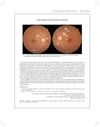
 Regular eye exams are important for detecting serious complications in lupus patients.
 January 2023 in “Journal of Cutaneous Pathology”
 The study found certain scalp biopsy features can help tell apart alopecia areata from pattern hair loss even when typical immune cells are not seen.
8 citations
,
August 1970 in “JAMA” Excessive vitamin A can cause symptoms that mimic serious brain conditions.
12 citations
,
January 1987 in “Ophthalmic Paediatrics and Genetics” Early diagnosis and treatment of biotinidase deficiency are crucial to prevent vision problems.
 December 2021 in “Journal of clinical images and medical case reports”
 Moth-eaten alopecia is linked to various skin diseases and requires early treatment to prevent worsening.
2 citations
,
January 2016 in “Dermatology online journal” A 46-year-old man was diagnosed with frontal fibrosing alopecia, a condition usually seen in postmenopausal women.