 8 citations
,
January 2013 in “Annals of Dermatology”
8 citations
,
January 2013 in “Annals of Dermatology” Korean women dye their gray hair more than men, and it doesn't cause scalp diseases.
 1 citations
,
December 2024 in “Methods in molecular biology”
1 citations
,
December 2024 in “Methods in molecular biology” Hair proteins are complex and provide valuable genetic and biological information.
October 2025 in “International Journal of Advanced Multidisciplinary Research and Studies” Hairless dogs have unique skin adaptations to regulate temperature and protect against environmental factors.
 13 citations
,
May 2022 in “Cell discovery”
13 citations
,
May 2022 in “Cell discovery” The study found new details about human hair growth and suggests that preventing a specific biological pathway could potentially treat hair graying.
 September 2017 in “Journal of Investigative Dermatology”
 Aging causes sweat glands to shrink, leading to skin issues, and blue light can help hair grow.
August 2011 in “SpringerReference” March 2007 in “International Journal of Cosmetic Science” Hair with more melanin resists weather damage better.
November 2021 in “Clinical, cosmetic and investigational dermatology” An elderly woman with cancer improved after treatment for a rare skin condition with coiled hairs.
1 citations
,
October 2023 in “PloS one” Cosmetic hair treatments can increase hair testosterone levels, while natural hair color does not affect it.
February 2025 in “Journal of Women & Aging” Older Black women in the UK feel more confident and engaged when their hair is visible and celebrated.
 August 2018 in “Pediatric Dermatology”
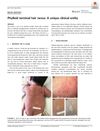
 A baby had a unique skin condition with a pale patch and surrounding dark hairs, not linked to other health issues.
 11 citations
,
January 2015 in “Annals of Dermatology”
11 citations
,
January 2015 in “Annals of Dermatology” Using a hair removal laser can make hairs finer for better hairline correction in hair transplants, with most patients happy and few side effects.
 5 citations
,
October 2012 in “CMAJ. Canadian Medical Association journal”
5 citations
,
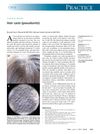
October 2012 in “CMAJ. Canadian Medical Association journal” The girl had harmless hair casts, not lice.
1 citations
,
August 1984 in “Therapeutische Umschau. Revue thérapeutique” Permanent hair removal with lasers is the most promising treatment for excessive hair growth.
 7 citations
,
November 2018 in “Journal of the American Academy of Dermatology”
7 citations
,
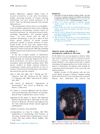
November 2018 in “Journal of the American Academy of Dermatology” White hairs often regrow in alopecia areata patches.
56 citations
,
June 2010 in “Clinical and experimental dermatology” Coudability hairs are useful markers for alopecia areata activity.
January 2025 in “Figshare” Stress can cause sudden hair whitening in children, but it may reverse on its own.
February 2005 in “CRC Press eBooks” Hair color is due to active pigment cells in hair during growth.
January 2025 in “Figshare” Stress can cause sudden hair whitening in children, but it may reverse on its own.
 May 2026 in “Zenodo (CERN European Organization for Nuclear Research)”
 Natural hair reflects identity and history, while modifications signal social pressures.
 8 citations
,
January 2018 in “European journal of dermatology/EJD. European journal of dermatology”
8 citations
,
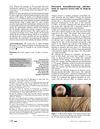
January 2018 in “European journal of dermatology/EJD. European journal of dermatology” The girl's regrown brown hair had less of certain pigments than her original black hair.
30 citations
,
September 2018 in “International Journal of Cosmetic Science” Bleaching hair causes severe structural and chemical damage, including protein loss and oxidation.
January 2012 in “한국미용학회지” Graying hair is caused by changes in gene expression affecting cell functions.
 13 citations
,
January 2014 in “Postępy Dermatologii i Alergologii”
13 citations
,
January 2014 in “Postępy Dermatologii i Alergologii” Patchy alopecia areata can affect only pigmented hairs, leaving gray hairs untouched.
3 citations
,
March 2013 in “QScience Connect” Photodynamic therapy with methylene blue and a laser effectively destroys hair follicles better than traditional laser hair removal.
 24 citations
,
September 2012 in “Dermatologic Surgery”
24 citations
,
September 2012 in “Dermatologic Surgery” The conclusion is that normal scalp hair counts for Taiwanese people were established, showing age-related differences but not sex or scalp location differences.
15 citations
,
January 2017 in “Pigment International” Early hair graying is often inherited and influenced by genetics, environment, and lifestyle, but treatment options are limited.
2 citations
,
March 2010 in “European journal of dermatology/EJD. European journal of dermatology” A young Caucasian girl had both woolly hair and alopecia areata, which is rare.
September 1941 in “The Science News-Letter”