 2 citations
,
May 2021 in “Stem Cells International”
2 citations
,
May 2021 in “Stem Cells International” Human pluripotent stem cells could be used to make platelets for medical use, but safety, effectiveness, and cost issues need to be resolved.
2 citations
,
January 2021 1 citations
,
July 2025 in “Stem Cell Research & Therapy” Stem cell technology may improve hair loss treatments by providing more effective and personalized options.
 1 citations
,
September 2019 in “Journal of Investigative Dermatology”
1 citations
,
September 2019 in “Journal of Investigative Dermatology” The research showed that CRISPR/Cas9 can fix mutations causing a skin disease in stem cells, which then improved skin grafts in mice, but more work on safety and efficiency is needed.
 June 2026 in “Frontiers in Cell and Developmental Biology”
 Dermal papilla cells are key to fine wool growth in sheep.
May 2026 in “Science Advances” Caloric stress and differentiation increase IRES translation, affecting stem cell function and potential therapies.
 January 2026 in “Stem Cell Research & Therapy”
 ASLNC168501 can help treat hair loss by restoring hair follicle stem cell function.
September 2025 in “Stem Cells Translational Medicine” Lithium chloride-treated stem cell exosomes boost hair growth by activating a specific pathway.
 April 2025 in “Journal of Investigative Dermatology”
 Two microRNAs in stem cell exosomes help treat hair loss by targeting a specific signaling pathway.
 March 2025 in “Stem Cell Research & Therapy”
 A new microneedle treatment could effectively regrow hair in androgenic alopecia.
March 2025 in “Regenerative Therapy” Spirulina maxima extract may help hair growth by boosting cell activity.
 March 2025 in “Anatomy & Cell Biology”
 Hair follicle stem cell secretions may help protect brain cells and improve stroke recovery.
 June 2022 in “Genetic engineering & biotechnology news”
 A new hair loss treatment is being developed using reprogrammed stem cells to grow new hair follicles.
 June 2022 in “Pflügers Archiv - European Journal of Physiology”
 The enzyme sEH is important for hair growth and its inhibition could help treat hair loss.
 August 2016 in “Journal of Investigative Dermatology”
 DHT reduces a cell's ability to promote hair growth, while 3D culture without DHT improves it.
 April 2010 in “The Journal of Urology”
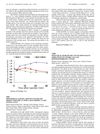
 Human prostate cells produce more WISP1/CCN4 when there's not enough oxygen.
January 2022 in “Stem cell biology and regenerative medicine” iPSCs could help develop treatments for hair loss.
1 citations
,
August 2019 in “Chinese Medical Journal” A man developed facial skin lesions after a stem cell transplant, which improved with specific treatments.
 June 2023 in “Skin Research and Technology”
 Using platelet-rich plasma injections and 5% minoxidil topically can safely and effectively treat mild-to-moderate male pattern baldness.
 September 2017 in “Journal of Investigative Dermatology”
 Researchers created human cells that can turn into sebocytes, which may help study and treat skin conditions like acne.
 60 citations
,
November 2013 in “Development”
60 citations
,
November 2013 in “Development” Keratin 79 marks a new group of cells that are key for creating and repairing the hair follicle's structure.
18 citations
,
November 2016 in “PeerJ” Human hair follicles can be used to create stem cells that might help clone hair for treating hair loss or helping burn patients.
 49 citations
,
March 2014 in “Journal of Investigative Dermatology”
49 citations
,
March 2014 in “Journal of Investigative Dermatology” Using the drugs AMD3100 and Tacrolimus together greatly improves skin healing and hair growth after a deep skin cut by increasing stem cells in the wound.
February 2026 in “Molecular and Cellular Probes” Stem cell and plant exosomes may help heal and regenerate skin.
February 2025 in “Biochemistry” Stem cell therapy shows promise for treating skin disorders.
August 2022 in “Regenerative Medicine” Adipose-derived stem cells show promise for cosmetic treatments but need more research.
3 citations
,
May 2025 in “Stem Cell Research & Therapy” Stem cell therapy from umbilical cords may help treat atopic dermatitis.
 1 citations
,
October 2023 in “Journal of plastic, reconstructive & aesthetic surgery”
1 citations
,
October 2023 in “Journal of plastic, reconstructive & aesthetic surgery” Stem cell-derived conditioned medium is effective in improving hair density and thickness for alopecia treatment.
 April 2026 in “Stem Cell Research & Therapy”
 Regenerative treatments improve hair growth in androgenetic alopecia with mild side effects.
 March 2026 in “Preprints.org”
 The combined stem cell secretome in the skin care product effectively reduces inflammation and promotes tissue regeneration.