 April 2013 in “e-Competitions Bulletin”
 In 2013, the FTC settled with hair company Bosley over claims it illegally shared business information with a competitor.
 April 2013 in “Cancer Research”
 A botanical extract was found to be a safe treatment that may prevent hair loss in chemotherapy patients.
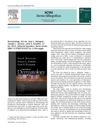 November 2012 in “Actas Dermo-Sifiliográficas”
 The reviewer recommends "Dermatology" as an essential, well-illustrated, and up-to-date resource for anyone studying or practicing in the field.
 July 2012 in “Hair transplant forum international”
 Hair transplant improved self-perception in hair loss patients, but some still remained overly focused on their hair appearance.
April 2012 in “Cancer Research” Bone marrow-derived cells can lead to skin inflammation and tumors in mice.
December 2011 in “University of Southern California Digital Library” High BMP signaling disrupts hair growth and balance in skin cells.
November 2011 in “Journal watch” Botox might help hair grow, but more research is needed.
 March 2011 in “European Urology Supplements”
 Blood tests for tumor cells could improve prostate cancer diagnosis and treatment; hair loss severity linked to a gene affecting prostate conditions.
January 2011 in “International Society of Hair Restoration Surgery” Finasteride may reduce body hair in men.
December 2010 in “TSpace” Activating androgen receptors in muscle can increase muscle mass and reduce fat.
November 2010 in “Faculty Opinions – Post-Publication Peer Review of the Biomedical Literature” Mesenchymal stem cells from bone marrow and umbilical cord can help regenerate hair follicles.
March 2010 in “Gynecologic and Obstetric Investigation” Hirsutism in women can be a cosmetic issue or a sign of hormonal imbalance, treatable with hormonal and cosmetic methods.
December 2009 in “Faculty Opinions – Post-Publication Peer Review of the Biomedical Literature” Noggin promotes skin tumors by activating Wnt and Shh pathways.
 January 2009 in “Elsevier eBooks”
 Some plant-based treatments may help with ovary function, insulin resistance, and excess male hormones in PCOS, but more research is needed to confirm their safety and effectiveness.
January 2009 in “Bradford Scholars (University of Bradford)” BMP signaling helps prevent skin tumors by blocking cancer-promoting pathways.
Botulinum toxin type A reduces itch and inflammation from histamine and may help treat certain skin conditions and hair loss.
Botulinum toxin A helped stop hair loss and grow new hair in mice.
Different botulinum toxin products and concentrations can effectively reduce sweating, itching, bladder pressure, hair loss, and muscle spasms.
 July 2006 in “Hair transplant forum international”
 The document's conclusion cannot be determined as the content is not available for analysis.
 June 2006 in “American Journal of Epidemiology”
 Higher BMI is linked to a lower risk of non-aggressive prostate cancer and a higher risk of aggressive prostate cancer.
 January 2006 in “Fertility and Sterility”
 The book provides a detailed guide on managing Polycystic Ovary Syndrome and is useful for physicians.
July 2005 in “Journal of the American Academy of Dermatology” July 2005 in “CME: Your SA Journal of CPD” Botulinum toxin is a safe alternative for treating migraines without common side effects, but should be used after other treatments fail.
March 2005 in “Journal of the American Academy of Dermatology” Regular use of in-shower lotion can improve dry skin better than traditional moisturizers.
 February 2005 in “Journal of The American Academy of Dermatology”
 Doctors should recognize various nail disorders, new allergens, and metabolic syndrome in patients, and use botulinum toxin carefully in aesthetic procedures.
January 2005 in “Journal of Nanhua University” Bone marrow mesenchymal stem cells help rabbit skin wounds heal faster.
 May 2004 in “The Journal of Laryngology & Otology”
 The first book is highly recommended for facial surgery education, the second book is useful despite its limited focus, and the third book is not user-friendly due to dense text and poor images.
 February 2004 in “The New England Journal of Medicine”
 The book is a comprehensive resource on hair disorders, but lacks information on some conditions.
 February 2004 in “The New England Journal of Medicine”
 The book is a comprehensive and current guide on hair disorders, with minor flaws.