 30 citations
,
March 2015 in “PLoS ONE”
30 citations
,
March 2015 in “PLoS ONE” Thyroxine can adjust the body's peripheral clock, potentially helping treat clock-related diseases.
103 citations
,
December 2021 in “Journal of biological rhythms” Shift work disrupts the body's natural clock, leading to health problems.
 59 citations
,
February 2012 in “Journal of Dermatological Science”
59 citations
,
February 2012 in “Journal of Dermatological Science” Environmental factors at different levels control hair stem cell activity, which could lead to new hair growth and alopecia treatments.
 18 citations
,
January 2020 in “Ecology and evolution”
18 citations
,
January 2020 in “Ecology and evolution” Genes related to pigmentation, body rhythms, and behavior change during hares' seasonal coat color transition, with a common genetic mechanism in two hare species.
 14 citations
,
June 2016 in “Hypertension research”
14 citations
,
June 2016 in “Hypertension research” New method uses hair follicle cells to estimate human body clock phase, potentially improving sleep disorder diagnosis.
 10 citations
,
August 2014 in “Skin research and technology”
10 citations
,
August 2014 in “Skin research and technology” Sleep, testosterone levels, and a specific enzyme activity affect skin oil production in women.
 49 citations
,
April 2016 in “International journal of molecular sciences”
49 citations
,
April 2016 in “International journal of molecular sciences” Shift nurses show altered body temperature and stress hormone levels, suggesting their body clocks adjust to irregular schedules.
 21 citations
,
September 2013 in “Journal of circadian rhythms”
21 citations
,
September 2013 in “Journal of circadian rhythms” Intense exercise at night can delay the body's internal clock gene expression by 2 to 4 hours.
 12 citations
,
January 2019 in “Sleep medicine”
12 citations
,
January 2019 in “Sleep medicine” Night shift work disrupts the body's natural clock genes.
 5 citations
,
January 2023 in “International Journal of Molecular Sciences”
5 citations
,
January 2023 in “International Journal of Molecular Sciences” Hair follicles could be used to noninvasively monitor our body's internal clock and help identify risks for related diseases.
 75 citations
,
September 2017 in “Developmental biology”
75 citations
,
September 2017 in “Developmental biology” The circadian clock influences the behavior and regeneration of stem cells in the body.
28 citations
,
June 2015 in “Journal of circadian rhythms” An individual's morning or evening preference can predict changes in their body clock gene expression.
 3 citations
,
May 2016 in “Dermatology Online Journal”
3 citations
,
May 2016 in “Dermatology Online Journal” Changing estrogen levels during menopause might affect genes related to body rhythms and cause increased hair loss.
 166 citations
,
August 2010 in “Proceedings of the National Academy of Sciences of the United States of America”
166 citations
,
August 2010 in “Proceedings of the National Academy of Sciences of the United States of America” Scientists found a new, less invasive way to study body clocks using hair cells, which shows shift workers' body clocks don't match their lifestyles.
 12 citations
,
July 2017 in “Scientific reports”
12 citations
,
July 2017 in “Scientific reports” Researchers developed a way to study human body clocks using hair tissue, which works similarly in both healthy and dementia patients.
 62 citations
,
August 2014 in “BMC Endocrine Disorders”
62 citations
,
August 2014 in “BMC Endocrine Disorders” New findings explain how genetic changes, body clocks, and certain molecules affect tissue response to stress hormones.
 4 citations
,
October 2013 in “Springer eBooks”
4 citations
,
October 2013 in “Springer eBooks” Melatonin receptors, found in many body parts, can help treat various diseases like depression and diabetes due to their effects on inflammation, tumor progression, sleep disorders, and body mass regulation.
 237 citations
,
February 2016 in “Science Translational Medicine”
237 citations
,
February 2016 in “Science Translational Medicine” The timing of when the gene Bmal1 is active affects aging and survival, with its absence during development, not adulthood, leading to premature aging.
 January 2024 in “Diabetes & metabolism journal”
 Disrupting natural body clocks increases the risk of developing type 2 diabetes.
 August 2025 in “Chronobiology International”
 Irregular sleep and disrupted body clocks can lead to more hair loss in young adults.
 29 citations
,
January 2014 in “Frontiers in physiology”
29 citations
,
January 2014 in “Frontiers in physiology” Understanding and tracking our body's natural daily rhythms could help improve heart health.
January 1980 in “AFA Watchbird” Spectral-analysis can help diagnose mineral imbalances in birds.
 62 citations
,
July 1993 in “Journal of Investigative Dermatology”
62 citations
,
July 1993 in “Journal of Investigative Dermatology” Hair growth is influenced by interactions between skin layers, growth factors, and hormones, but the exact mechanisms are not fully understood.
 127 citations
,
January 2015 in “Journal of Biological Rhythms”
127 citations
,
January 2015 in “Journal of Biological Rhythms” The skin's internal clock affects healing, cancer risk, aging, immunity, and hair growth, and disruptions can harm skin health.
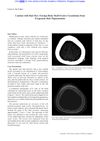 3 citations
,
May 2020 in “Annals of the Academy of Medicine Singapore”
3 citations
,
May 2020 in “Annals of the Academy of Medicine Singapore” Hair dye can cause serious scalp issues, including skull erosion.
 84 citations
,
December 2017 in “EMBO Reports”
84 citations
,
December 2017 in “EMBO Reports” Circadian rhythms are crucial for stem cell function and tissue repair, and understanding them may improve aging and regeneration treatments.
 91 citations
,
August 2014 in “Development”
91 citations
,
August 2014 in “Development” The circadian clock is crucial for tissue renewal and regeneration, affecting stem cell functions and having implications for health and disease.
 38 citations
,
August 2012 in “Biochemical and biophysical research communications”
38 citations
,
August 2012 in “Biochemical and biophysical research communications” Human leukocytes and beard hair follicle cells have internal daily clocks, and PER1 and PER3 genes may indicate individual circadian rhythms.
 5 citations
,
December 2016 in “International journal of biometeorology”
5 citations
,
December 2016 in “International journal of biometeorology” Bright light during the day doesn't change most human clock genes but may slightly increase Rev-erb-ß.
 116 citations
,
May 2013 in “Proceedings of the National Academy of Sciences of the United States of America”
116 citations
,
May 2013 in “Proceedings of the National Academy of Sciences of the United States of America” Hair grows faster in the morning and is more vulnerable to damage from radiation due to the internal clock in hair follicle cells.